
How Many Watts Generator To Run Refrigerator
Okay, let's talk about something seriously cool (pun intended!): how to power your refrigerator with a generator. Now, I know what you might be thinking: "Generators? That sounds complicated!" But trust me, it's not rocket science. And honestly, knowing this stuff can be incredibly empowering. Imagine being able to keep your food fresh during a power outage, or even taking your fridge camping! Pretty neat, right?
Why does this matter? Well, a refrigerator isn't just a box that keeps your beer cold (though, let's be honest, that's a pretty important function!). It's a vital appliance that protects your food supply. Losing power can mean losing all that precious grub. Nobody wants that! So, let's figure out how to avoid a fridge-related food apocalypse.
The Wattage Puzzle: Unlocking the Mystery
The key to powering your fridge with a generator lies in understanding wattage. Think of watts like the energy currency your appliances use. Every appliance has a wattage rating, which tells you how much power it needs to run.
Must Read
Finding the wattage of your refrigerator is usually pretty easy. Check the back or side of your fridge for a sticker. Look for numbers followed by a "W" – that's your wattage! You might see two numbers: running wattage and starting wattage. Hold that thought; it's important.
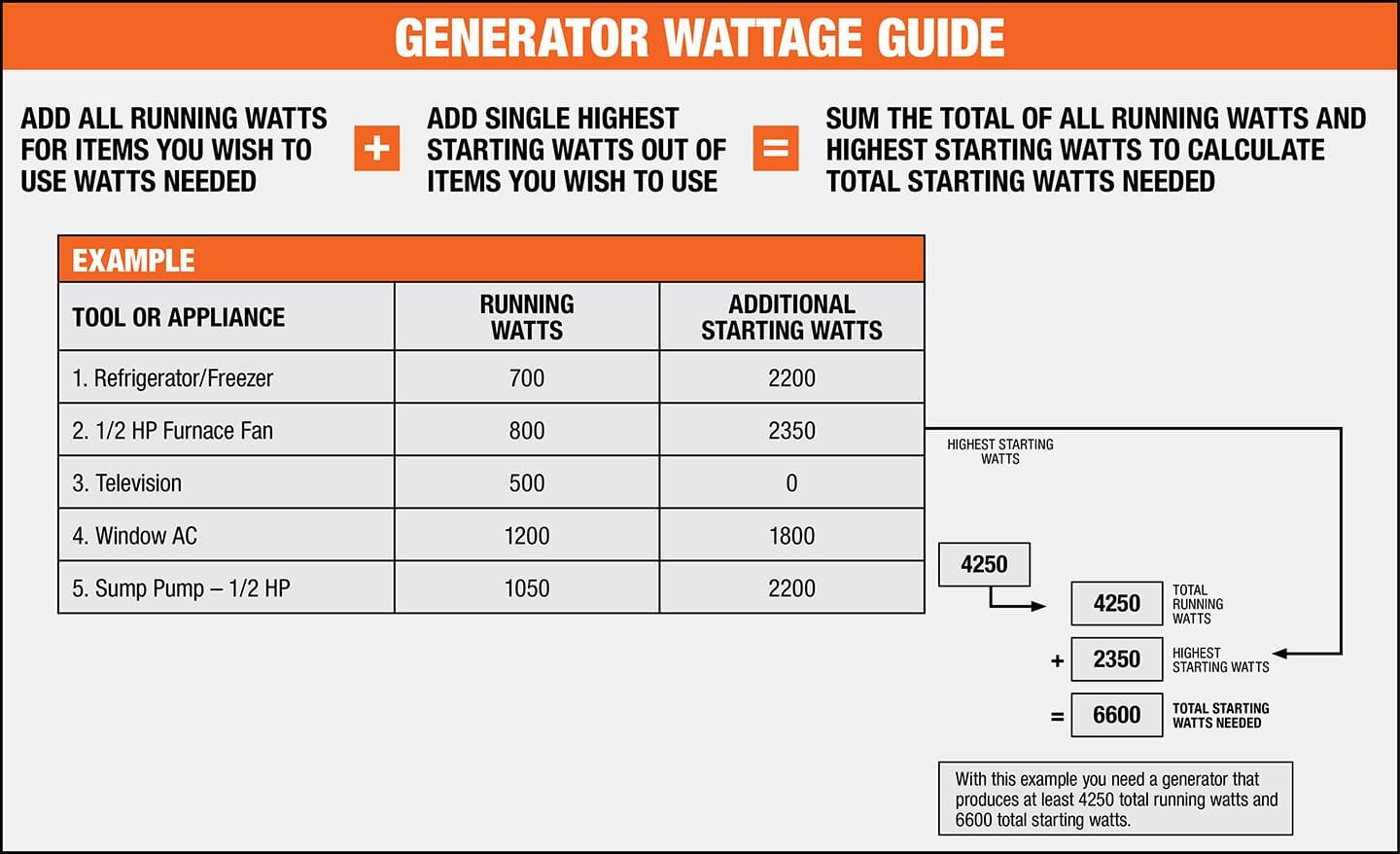
Running wattage is the amount of power your fridge needs to keep running once it's already up and humming. Starting wattage, on the other hand, is the surge of power it needs to kick the compressor into gear. And here's the kicker: starting wattage is always higher than running wattage. Sometimes significantly higher!
Why? Well, starting the compressor requires a burst of energy. It's like pushing a car to get it rolling – it takes more effort at first, right? Your generator needs to be able to handle that initial surge.
Pro Tip: If you can't find the wattage on the fridge itself, check the owner's manual. If you've misplaced the manual (who hasn't?), a quick online search using your fridge's model number should do the trick. The internet is your friend!

So, How Many Watts Do You Really Need?
Okay, let's get down to brass tacks. How many watts does your generator need to produce to power that glorious food preserver? As a general rule, a refrigerator typically needs between 150 and 400 watts to run continuously. However, that starting wattage could be anywhere from 600 to 1200 watts, or even higher for older models. That's a big difference.
Here's the golden rule: Your generator needs to be able to handle the starting wattage of your refrigerator. If it can't, your fridge won't start, and you'll be back to square one. And no one wants a fridge full of rapidly defrosting food!
Example Time! Let's say your refrigerator has a running wattage of 200 watts and a starting wattage of 800 watts. You'll need a generator that can provide at least 800 watts to get the fridge going. A generator rated for 1000 watts would be a safe bet, giving you some extra headroom.
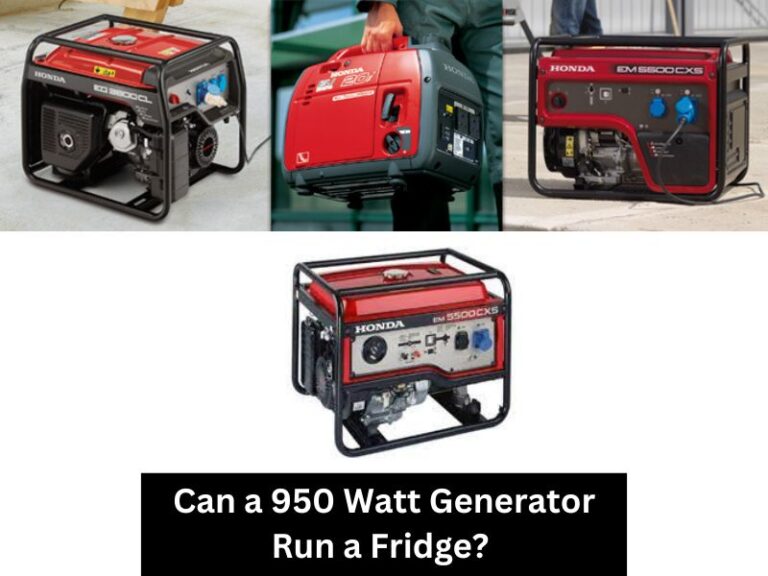
Important Note: It's always better to overestimate than underestimate. A generator that's too small will struggle and could even damage your appliances. Plus, having extra power means you can plug in other essential items, like lights or a phone charger. Winning!
Beyond the Fridge: Think About the Big Picture
While you're figuring out the right generator for your refrigerator, take a moment to consider your other power needs. Do you want to run lights? Charge your phones? Power a fan? Each appliance adds to the total wattage demand. Add up the running wattages of all the devices you want to power simultaneously, and make sure your generator can handle the total load.
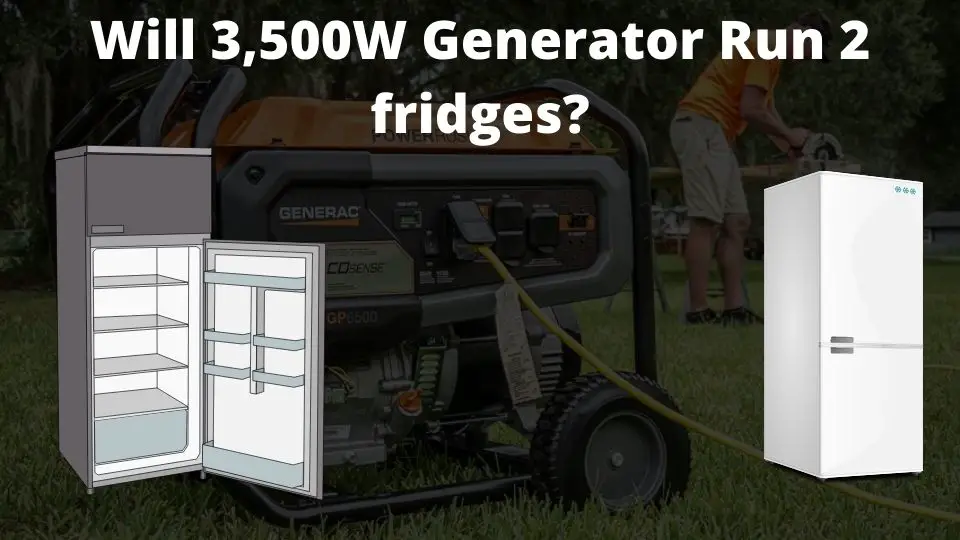
Safety First! Always follow the manufacturer's instructions for your generator. Use the correct extension cords, and never run a generator indoors or in an enclosed space. Carbon monoxide is a serious threat, so make sure you have a carbon monoxide detector installed.
Choosing the right generator might seem daunting, but it's totally doable. A little research and careful planning will go a long way. And remember, the peace of mind knowing your food is safe and you have backup power is priceless. You've got this!
Now that you know the basics, why not dive deeper? Research different types of generators, explore fuel efficiency, and learn about inverter technology. The world of power generation is surprisingly fascinating. With a little knowledge, you can become a power pro and keep your life running smoothly, no matter what!