
How Many Watts Does A Tv Draw
Ever gazed at your magnificent flat screen, lost in a fantastical movie scene or a nail-biting sports match, and suddenly thought, "Goodness gracious, how much electricity is this digital marvel devouring?!"
Perhaps a tiny whisper of fear tickled the back of your mind, envisioning a monstrous energy bill lurking around the corner. Well, dear reader, fret not! We're about to embark on a thrilling, albeit slightly exaggerated, journey into the wondrous world of TV wattage.
Prepare to have your fears banished and your mind filled with joyful enlightenment! Because the truth, my friends, is far more delightful than you might imagine.
Must Read
The Big, Not-So-Scary Secret: Your TV Is Surprisingly Polite!
Hold onto your popcorn, because here's the shocker: your modern TV is actually a pretty considerate houseguest. It sips power, it doesn't guzzle it down like a thirsty dragon intent on burning through your savings!
Forget those old-school energy monsters of yesteryear, the bulky cathode ray tube behemoths that practically glowed with heat and power consumption. Today's flat-screen wonders, from the slimmest LEDs to the most vibrant OLEDs, are champions of efficiency.
They've been on a serious diet, power-wise, and frankly, they look fantastic doing it!
Your fancy, big-screen TV likely uses less power than a single traditional incandescent lightbulb! Let that sink in and give your budget a little celebratory high-five!
So, What's the Magic Number? Let's Talk Watts!
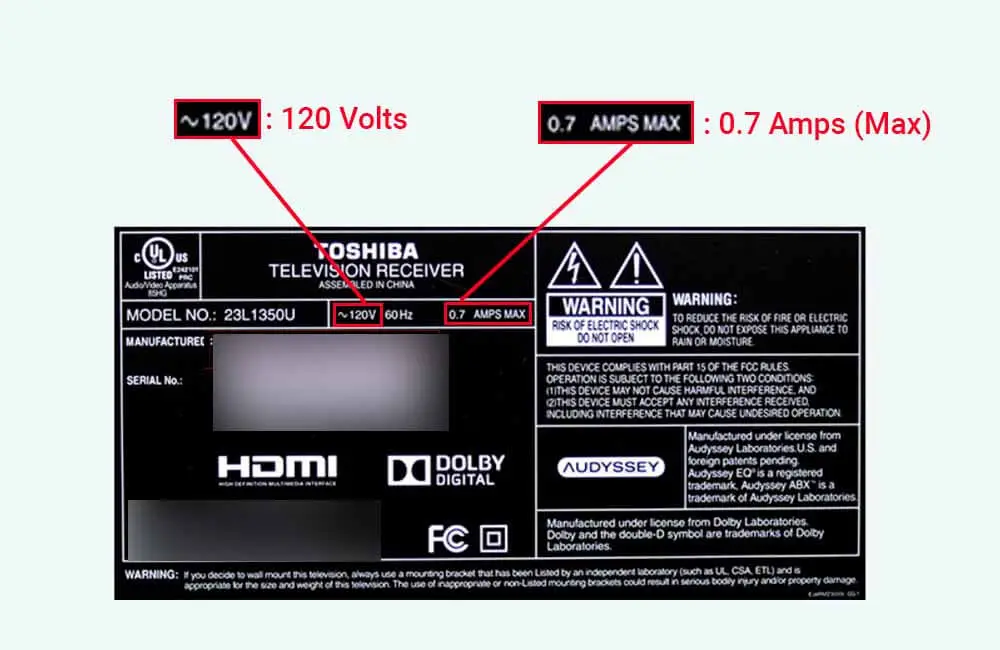
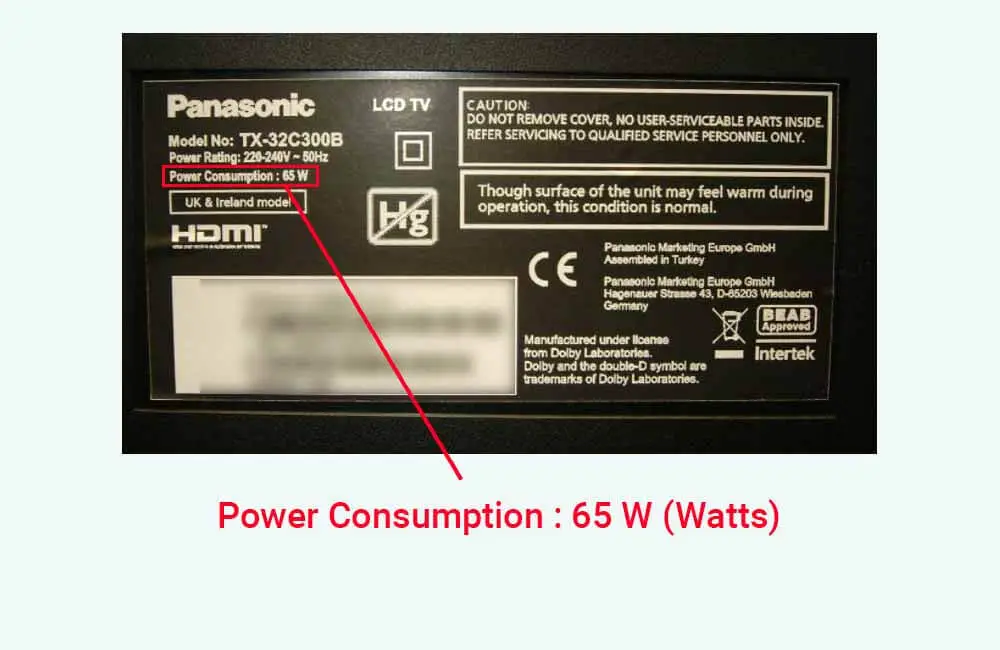
When we talk about how much electricity something uses, we usually talk in watts. Think of watts as the TV's hunger level, or perhaps its thirst for a refreshing energy drink. The more watts, the hungrier or thirstier it is.
But here's the fantastic news: most modern TVs, especially those spiffy LED models, are not very hungry at all. They're more like snackers, politely nibbling, rather than full-on feast devourers attacking a buffet.
Compared to a mighty toaster oven or a powerful blender, your TV is practically on a liquid-only diet, gently consuming very little.
The Average Sip: What to Expect from Your Everyday TV
For most regular-sized LED or LCD TVs (we're talking 40-inch to 55-inch beauties that dominate living rooms), you're typically looking at something in the range of 50 to 150 watts. That's right, just a little whisper of power, barely a hum on your electricity meter!
To put that into perspective, your everyday hairdryer can easily chug down 1200 to 1800 watts, turning your hair into a fluffy masterpiece. Your coffee maker? A whopping 800 to 1500 watts just to brew your morning joe. Suddenly, your TV looks like a tiny, energy-sipping ninja, doesn't it?
Even your trusty laptop charger, while charging, can draw 60-100 watts. So your big screen is often comparable to, or even more efficient than, charging your portable devices!
A typical modern TV uses about as much power as a small oscillating fan on a warm day, or perhaps just a couple of energy-efficient LED lightbulbs! How cool is that?!
Screen Size Matters (A Little Bit, Playfully)
Okay, so a giant 85-inch screen that makes your living room feel like a private cinema will naturally use a smidge more power than a dainty 32-inch model in the guest bedroom. It's just more screen real estate to light up, after all!
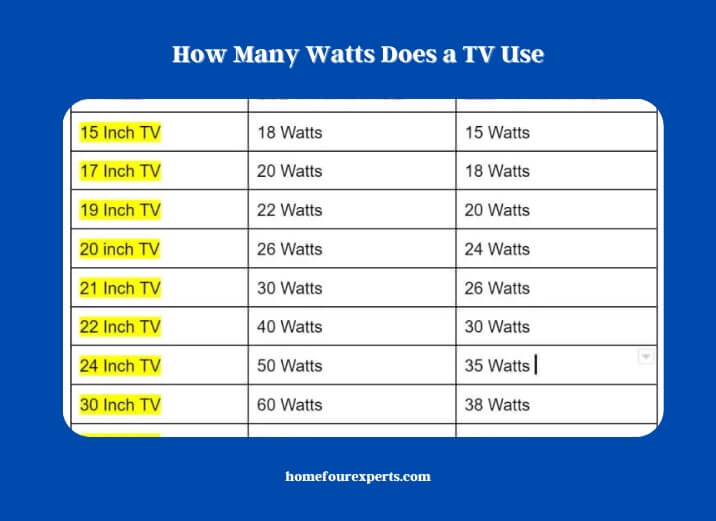
But even those colossal screens are impressively efficient for their size. They might jump to 200-300 watts, especially if they're pushing extreme brightness, but that's still peanuts compared to older tech or many other common household appliances.
It's like comparing a very large, but very polite, person at a dinner party to a smaller, but ravenous, eater. Size isn't everything when it comes to power manners!
LED vs. OLED vs. QLED: The Tech Tango!
The Glorious LED/LCD TV: Your Energy-Efficient Workhorse
These are the champions of affordability and efficiency for many households, the trusty steeds of home entertainment. LED stands for Light Emitting Diode, which are super-efficient tiny lights that illuminate the screen from behind.
Because these tiny lights are so good at their job, precisely controlling illumination, LED TVs keep their wattage remarkably low. They're like the marathon runners of the TV world – steady, reliable, and not draining too much energy from the grid.
The Dazzling OLED TV: A Slightly Different Beast
Now, OLED (Organic Light Emitting Diode) TVs are a bit different, and oh so captivating! In these screens, each individual pixel actually generates its own light, turning off completely to create perfect blacks.
This means they can produce incredible blacks and vibrant colors with unparalleled contrast. Interestingly, an OLED TV's power consumption can actually vary quite a bit depending on what's on screen, playing a dynamic game of hide-and-seek with your electricity bill.
Watching a dark, moody movie with lots of shadowy, black scenes? The OLED TV will be sipping power almost imperceptibly, as many pixels are simply off. But if you're watching a super bright, snowy landscape or a dazzling cartoon explosion, it might use a bit more juice as all those pixels light up. Even then, it's rarely a monstrous amount, just a slight increase in its polite sips!
The Quantum-Powered QLED TV: A Bright Contender
QLED TVs, primarily championed by Samsung, combine the efficiency of LED backlighting with a special layer of "quantum dots" for enhanced color and breathtaking brightness. They are often incredibly luminous, making everything pop!
Generally, QLED TVs tend to fall in a similar power consumption range to traditional LED TVs, sometimes leaning slightly higher due to their emphasis on spectacular brightness. But fear not, they are still far from being energy hogs, maintaining their status as power-conscious performers.
The Sneaky Sipper: Standby Mode!
Ah, standby mode. This is where your TV sits, patiently waiting, like a loyal digital pet, for you to press that remote button, ready to spring to life. Does it use power then, silently plotting to inflate your bill?
Yes, a tiny, almost negligible amount! We're talking less than 1 watt for most modern TVs, often closer to 0.5 watts. It's like the TV is just taking a very, very light nap, barely breathing, dreaming of glorious pixels.
While that minuscule amount might theoretically add up over a year if you unplug nothing in your entire house, for a single TV, it's truly minuscule. Don't lose sleep over it; your TV isn't secretly plotting to drain your bank account while it's "off"!
Why Should I Even Care About Watts?!
You might be thinking, "If it's so low, why did we even have this exciting wattage adventure, complete with dragons and ninjas?" Good question, intrepid explorer!

Firstly, it's just good to know! Knowledge is power, after all (pun absolutely intended, and we are quite pleased with it!). Understanding your gadgets helps you appreciate modern technology.
Secondly, while a single TV won't break the bank, being mindful of energy use across all your devices can add up to nice savings over time and contribute to a happier, greener planet. Every little bit of awareness helps!
Knowing your TV isn't a power glutton means you can enjoy your binge-watching guilt-free, allowing full immersion into your favorite shows! Hurray for happy viewing!
Tiny Tips for Even Tinier Savings (Because We're Thorough and Enthusiastic!)
Feeling extra virtuous? Want to squeeze every last drop of efficiency from your magnificent screen, just for the sheer joy of it? Here are some playful tips:
- Dim the Brightness: Just like a lightbulb, a brighter TV screen naturally uses more power to glow. If your room is already dim, or it's evening, try turning down the brightness setting a notch or two. Your eyes might even thank you, reducing strain, and your wallet will offer a silent nod of approval!
- Embrace Eco Modes: Many TVs come with "Eco Mode," "Energy Saving Mode," or similar settings. These are like little secret agents designed to optimize power consumption without severely compromising your viewing pleasure. Give them a try – you might not even notice a difference, except on your electricity bill!
- Unplug for Vacation: Going away for a long trip, perhaps to a sun-drenched beach or a snowy mountain? Unplugging your TV (and other electronics) is a fantastic way to eliminate even that tiny standby draw. It's like telling all your gadgets to take a proper, deep slumber, saving energy while you're away.
- Turn it Off (Really Off!): It sounds incredibly obvious, but sometimes we walk away from the TV leaving it paused or simply forgetting it's on. Hit that power button! Give it a break! Even just a few hours less per day adds up over a year, giving both your TV and your electricity usage a well-deserved rest.
The Grand Finale: Your TV is a Friend, Not a Foe!
So, there you have it! The thrilling mystery of your TV's power consumption has been gloriously demystified, revealing a surprisingly modest appetite. Your beloved flat screen isn't a secret energy vampire, draining your resources while you sleep, nor is it a lurking monster.
Instead, it's a remarkably efficient piece of modern technology, a marvel of engineering, providing endless entertainment without an exorbitant electricity bill. It's a true hero of your living room, quietly doing its job.
You can now binge-watch that entire series, embark on epic gaming quests, or simply enjoy a quiet movie night with a giant smile, knowing your wallet (and the planet) are generally quite pleased with its performance. Go forth, watch great things, and enjoy your delightfully low-wattage viewing experience!