
How Many Watts Does A Refrigerator Use Per Hour
Okay, so you're wondering how much juice your refrigerator is sucking up, huh? Good question! It's like asking how much that mystery stain on your shirt really costs you in dry cleaning. Let's dive in!
The honest (and slightly annoying) answer is: it depends! I know, I know, you wanted a number. But think about it – is your fridge a shiny new model, or something that looks like it's been chilling since the disco era? (And probably still has some questionable leftovers from then, too!)
Factors That Fridge-Affect Your Bill
Lots of things impact your fridge's power consumption. We're talking:
Must Read
- Age: Older fridges are energy hogs. Seriously. They're basically the gas guzzlers of the appliance world.
- Size: A giant, side-by-side, ice-and-water-dispensing behemoth is going to use more power than a tiny dorm fridge that mainly holds condiments and questionable takeout. Obvi.
- Efficiency: Look for that Energy Star label! It's like the fridge's report card. A good grade means less $$ on your electricity bill.
- How Often You Open It: Are you constantly peering inside, wondering what to eat? (We've all been there!) Every time you open that door, warm air rushes in, and the fridge has to work harder to cool down.
- Temperature Settings: Are you trying to turn your fridge into a walk-in freezer? Lower temperatures = more energy used. Keep it reasonable, folks!
- Maintenance: Dirty coils can make your fridge work harder. Think of it like trying to run a marathon with a clogged nose. Not fun! Clean those coils a couple of times a year.
So, yeah, lots to consider. Feeling overwhelmed yet? Don't be! Let's break it down further.
Watts Up With Refrigerators? (Get it?)
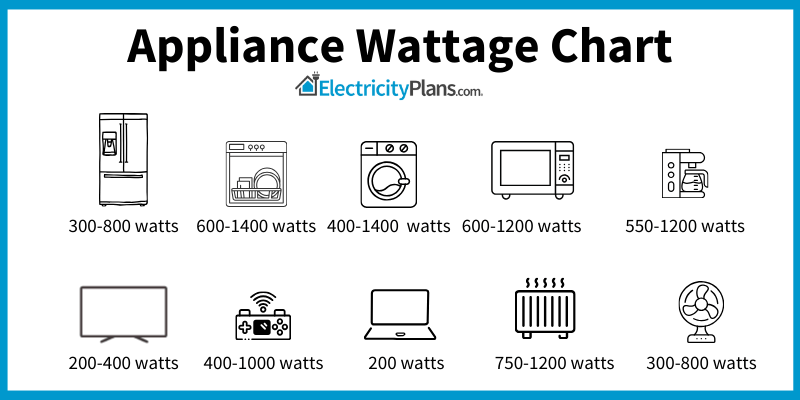
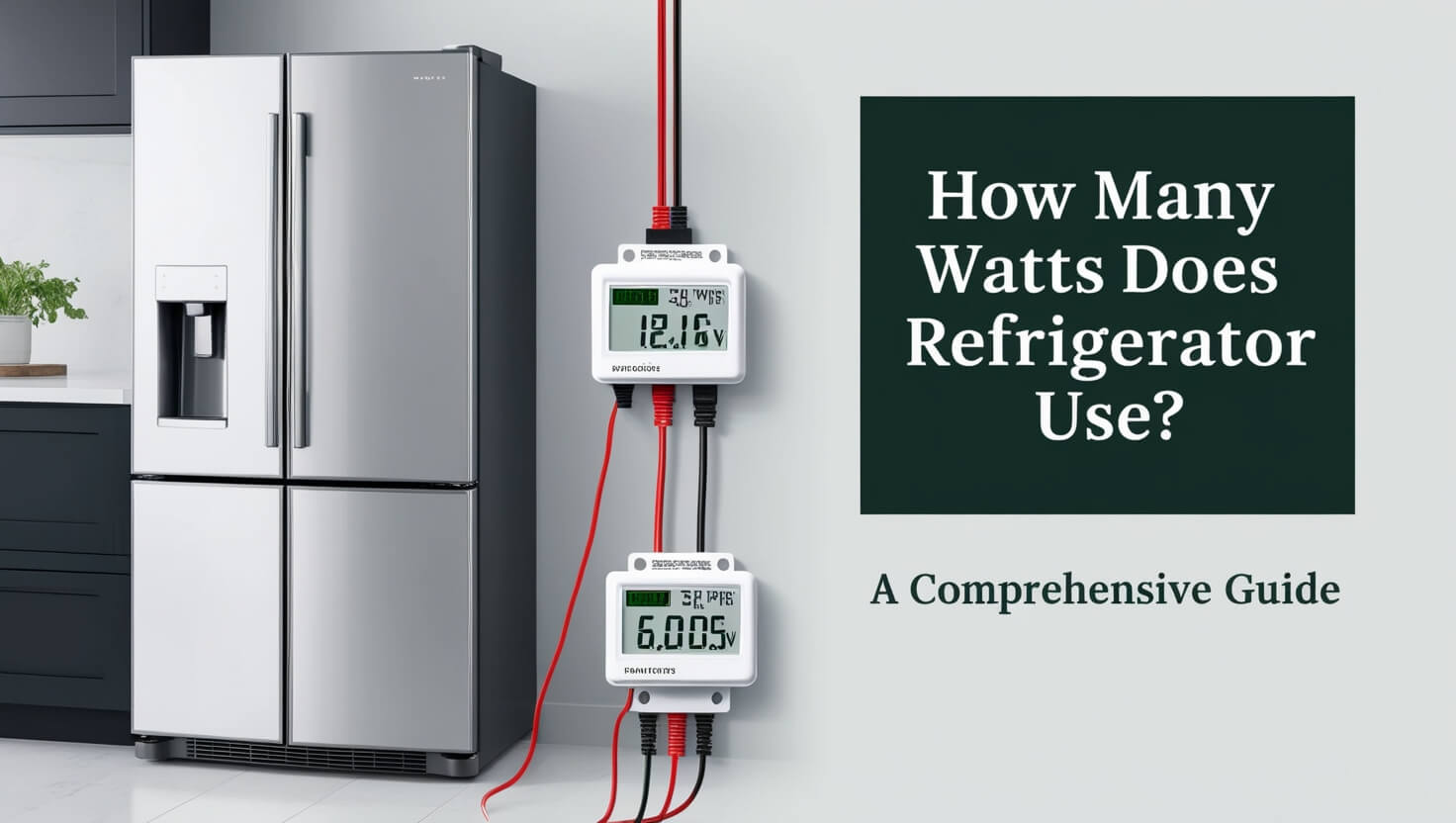
Generally speaking, a typical refrigerator uses somewhere between 100 and 400 watts while it's actively running. Notice I said running.
Here's the kicker: your fridge isn't running all the time. It cycles on and off to maintain the set temperature. Think of it as taking little power naps throughout the day. Lucky fridge!
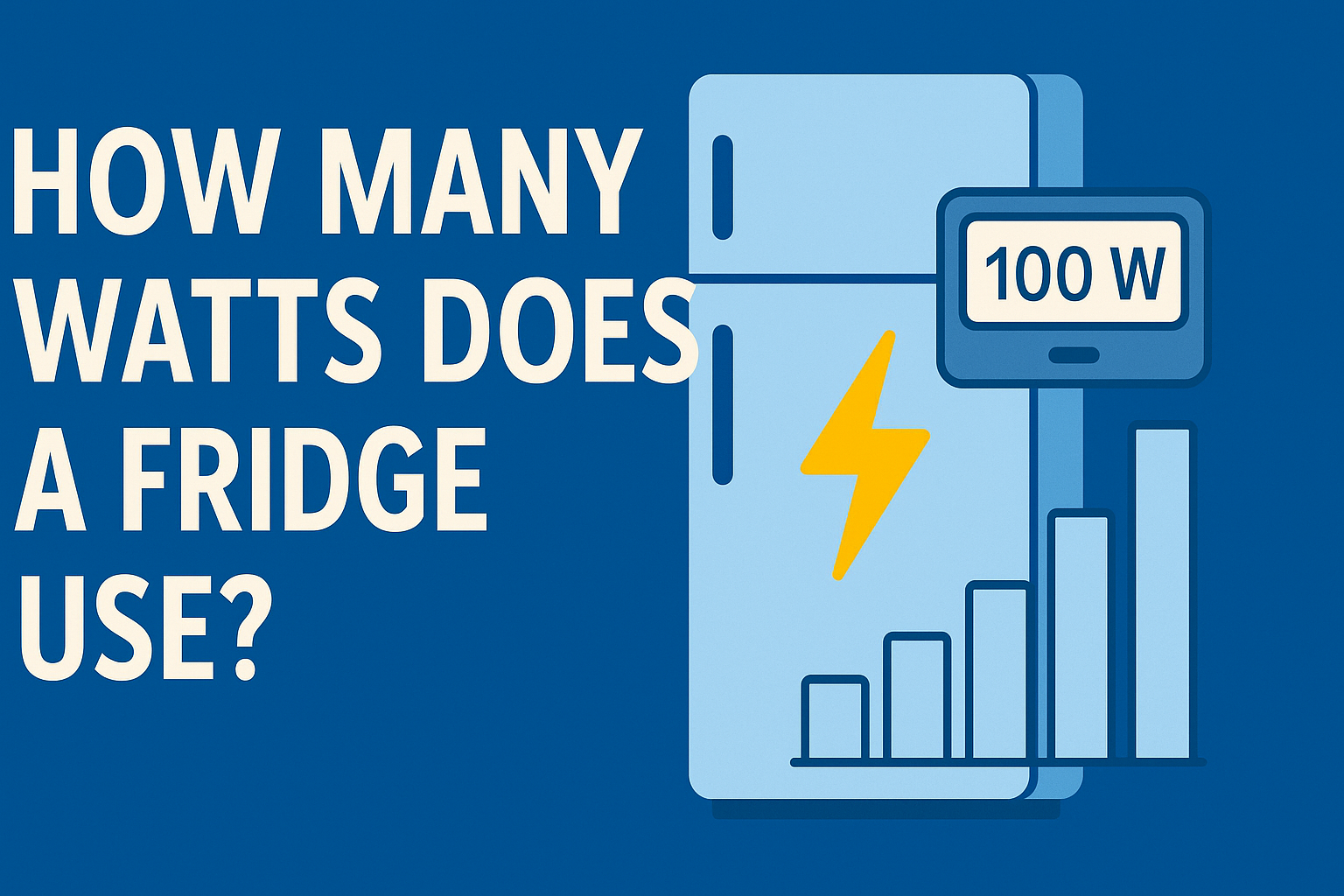
So, to figure out the hourly consumption, we need to consider the duty cycle – basically, how much of the hour the fridge is actually working. This can vary, but a good average is around 1/3 to 1/2 of the time.
Let's do some very rough math (don't hold me to this if you're an accountant!).
Let's say your fridge uses 200 watts when running, and it runs for half an hour each hour.
That means it uses 200 watts * 0.5 hours = 100 watt-hours per hour.
To convert watt-hours to kilowatt-hours (kWh), which is what you see on your electricity bill, divide by 1000.
So, 100 watt-hours = 0.1 kWh.
Okay, So What Does That Actually Mean?
Well, to find out how much that's costing you, you need to look at your electricity bill and see how much you pay per kWh. Let's say it's $0.15 per kWh (prices vary wildly depending on where you live!).
Then, 0.1 kWh * $0.15/kWh = $0.015 per hour.
So, in this example, your fridge is costing you about 1.5 cents per hour. Not too bad, right?

But remember, this is a very simplified calculation. It's more like a guesstimate than a precise measurement. Your mileage (or should I say, wattage?) may vary.
The Bottom Line (and Maybe Some Leftovers)
Figuring out exactly how many watts your refrigerator uses per hour is tricky, but hopefully, this gives you a general idea. The best way to know for sure? Get an energy monitor! They're relatively inexpensive and can give you real-time data on your appliance's power consumption. Plus, it's fun to geek out over the numbers!
And hey, while you're at it, maybe clean out that fridge. You might find some long-lost treasures...or just some science experiments waiting to happen. Good luck!