
How Many Watts Does A Refrigerator Freezer Use
Ever stared into your refrigerator, bathed in its cool, comforting glow, and wondered about its secret life? I mean, besides keeping your leftover pizza safe from the monster under the bed, what's really going on behind that closed door?
Specifically, how many watts are we talking about? Turns out, figuring out the wattage of your refrigerator and freezer is like uncovering a delicious, slightly frozen mystery.
Watt's the Deal with Fridge Power?
Okay, let's get the basics out of the way. Watts measure power, the rate at which energy is used. Your fridge, that silent sentinel of snacks, is constantly using energy to keep things chilly.
Must Read
But how much exactly? Well, it’s not a simple answer. Think of your fridge as a moody artist. Sometimes it's quietly humming, barely sipping power. Other times, it’s roaring like a dragon, demanding a hefty dose of electricity.
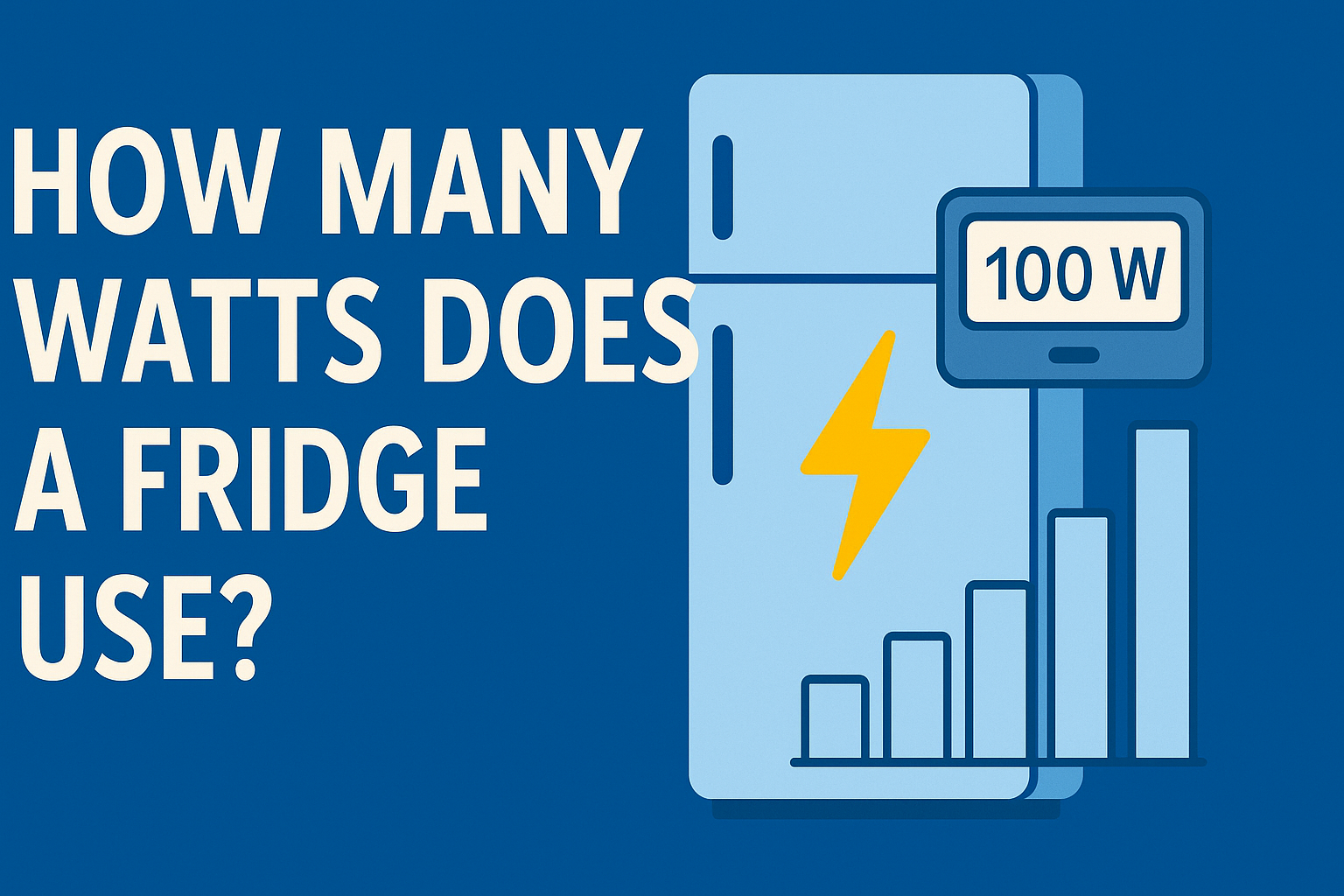
A typical refrigerator might use anywhere from 100 to 400 watts while it's running. The freezer part, if it's integrated, contributes to this overall power consumption.
The Initial Surge: A Fridge's Morning Coffee
Here's a fun fact: refrigerators have a "starting wattage" much higher than their running wattage. This is like the fridge equivalent of needing a strong cup of coffee in the morning.
That initial surge can be two or even three times the running wattage! So, a fridge that normally uses 150 watts might briefly spike to 450 watts when the compressor kicks on.
Imagine your fridge waking up, stretching, and saying, "Alright, time to get this party chilled!" That initial burst of energy is what gets the cooling process going.
Factors Influencing Fridge Wattage: A Chilling Tale
Several factors play a role in determining how many watts your fridge slurps up. Think of them as plot twists in our refrigerator story.
Size Matters: A massive, side-by-side refrigerator with all the bells and whistles (ice maker, water dispenser, built-in TV… okay, maybe not the TV) will generally use more power than a compact, dorm-room mini-fridge.
It's like comparing a monster truck to a scooter. Both get you from point A to point B, but one requires a whole lot more fuel.
Age Ain't Just a Number: Older refrigerators are notoriously less efficient than newer models. Think of them as vintage cars – beautiful, perhaps, but not exactly known for their gas mileage.
Newer refrigerators often have energy-saving features like better insulation and more efficient compressors. They're like the hybrid cars of the fridge world.
Features, Features, Features: Ice makers and water dispensers are convenient, but they also add to your fridge's energy consumption. They're like that extra topping on your ice cream – delicious, but with a cost.
How Full Is Too Full?: Believe it or not, a well-stocked fridge is actually more energy-efficient than an empty one. The food inside helps to maintain a consistent temperature, reducing the amount of work the compressor has to do.
It’s like having a bunch of friends huddled together for warmth – they need less individual effort to stay warm.
Seal of Approval (Or Lack Thereof): A faulty door seal can let cold air escape, forcing your fridge to work harder to maintain its temperature. Imagine trying to cool a room with the window open – frustrating, right?

Check your fridge's door seal regularly. A simple test is to close the door on a dollar bill. If you can easily pull it out, your seal might need replacing. Think of it as giving your fridge a warm hug to make sure it's cozy.
Finding Your Fridge's Wattage: Detective Work!
So, how do you actually figure out how many watts your refrigerator uses? Time to put on your detective hat!
The Owner's Manual: This is the holy grail of refrigerator information. Look for a section on energy consumption or specifications. It should list the wattage or amperage (you can convert amps to watts by multiplying by the voltage, which is typically 120 volts in the US).
The Energy Guide Label: This yellow sticker is usually found on new appliances. It provides an estimate of the appliance's annual energy consumption in kilowatt-hours (kWh). You can use this number to calculate the average wattage.
The Appliance Itself: Sometimes, the wattage information is printed directly on a sticker located on the back or inside the refrigerator.
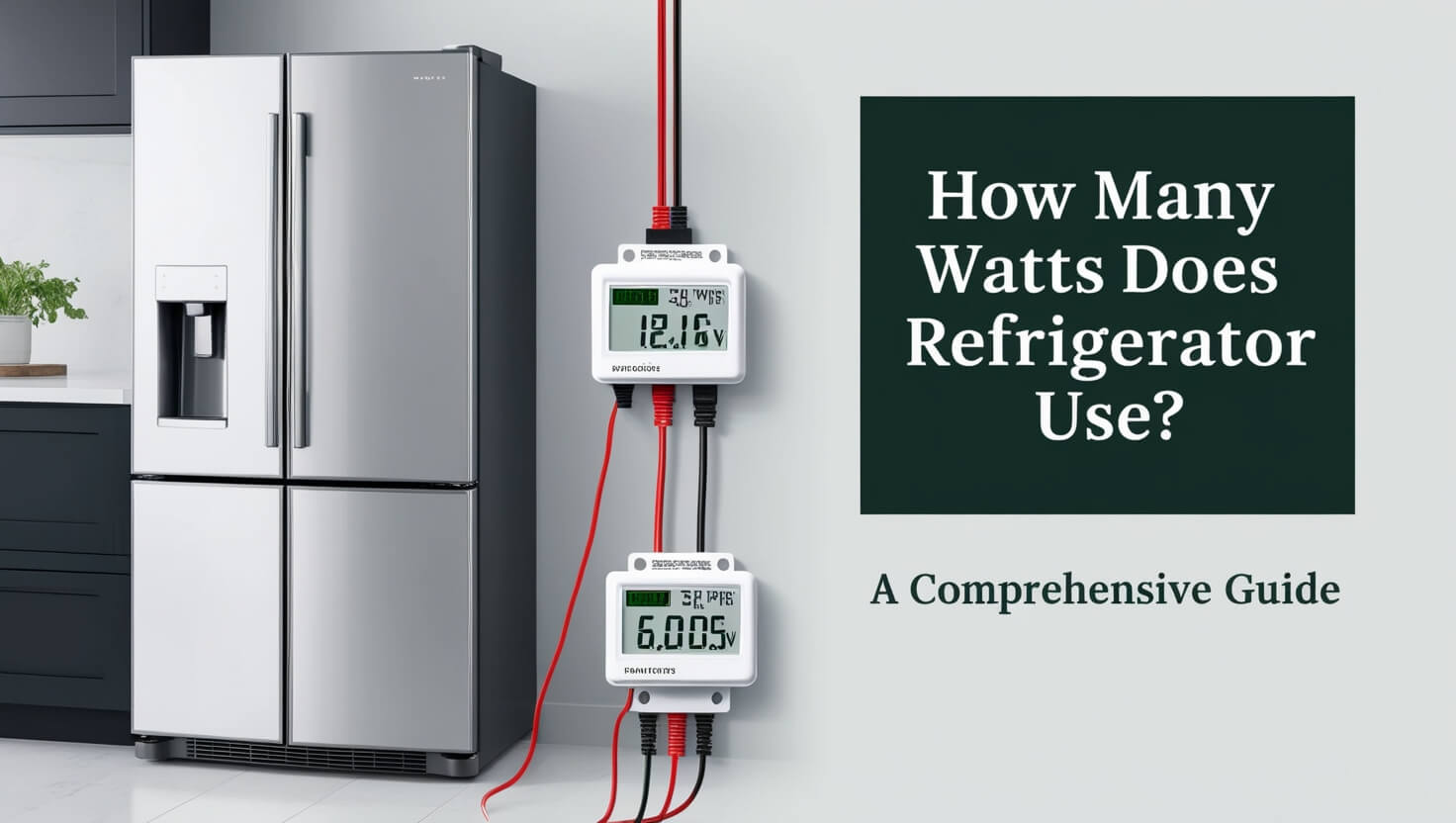
Wattage Meter: For the truly curious (or those who distrust the manufacturer's claims), you can purchase a wattage meter. Plug your fridge into the meter, and it will tell you exactly how much power it's drawing in real-time.
It’s like giving your fridge a fitness tracker, monitoring its energy output.

Why Does Fridge Wattage Matter? A Financial Frosting
Okay, so you know how many watts your fridge uses. But why should you care? Well, understanding your fridge's energy consumption can save you money!
Lower Energy Bills: By knowing your fridge's wattage, you can estimate how much it's costing you to run each month. This can motivate you to make energy-saving changes, like replacing an old, inefficient model.
Choosing the Right Size Solar Generator: If you're planning on using a solar generator to power your fridge during a power outage or while camping, knowing the wattage is crucial. You need to make sure your generator can handle the fridge's starting wattage and its continuous running wattage.
Imagine the heartbreak of your ice cream melting during a camping trip because your solar generator couldn't handle the fridge’s demands!
Tips for a Watt-Wise Fridge: Chilling Out with Conservation
Want to make your refrigerator more energy-efficient? Here are a few simple tips.
Keep It Clean: Regularly clean the condenser coils on the back of your fridge. Dust and debris can make the fridge work harder to cool.
Optimal Temperature: Set your fridge to the optimal temperature. The USDA recommends 40°F (4°C) or below for the refrigerator and 0°F (-18°C) for the freezer.

Strategic Placement: Don't place your refrigerator near heat sources like ovens or direct sunlight. This will force it to work harder to stay cool.
Quick Door Opens: Minimize the amount of time you leave the door open. Every time you open the door, warm air enters, and the fridge has to work to cool it back down.
Defrost Regularly: If you have an older freezer that requires manual defrosting, do it regularly. Frost buildup reduces efficiency.
These tips are like giving your fridge a spa day, helping it relax and use less energy.
The Fridge: A Silent Partner in Our Lives
So, there you have it – a peek into the secret world of refrigerator wattage. Hopefully, you now have a better understanding of how much power your fridge uses and how to make it more energy-efficient.
The next time you open your fridge, take a moment to appreciate this silent, hardworking appliance. It’s more than just a box that keeps your food cold – it's a vital part of our modern lives.
And who knows, maybe you’ll even start referring to it as your “watt-wise” fridge!