How Many Watts Does A Fridge

Ever peeked at your electricity bill and wondered, "What's really eating up all that juice?" Chances are, your trusty refrigerator is a big part of the answer! Far from being a boring technical detail, understanding how many watts a fridge uses is actually super fun, incredibly useful, and surprisingly popular amongst folks looking to save a few bucks or just be a bit more eco-conscious. It's like being a detective for your own home energy consumption!
So, why dive into the world of fridge watts? Well, for beginners, it’s a fantastic entry point into understanding basic home electricity. It demystifies that humming box in your kitchen, making you feel more in tune with your appliances. For families, it's all about the wallet! Knowing your fridge's energy appetite can help you make smarter choices when buying new appliances, potentially saving you a significant chunk of change on those monthly bills. And for the more eco-conscious or DIY enthusiasts, this knowledge is power! It's vital for planning off-grid setups, understanding solar panel requirements, or simply reducing your household's overall carbon footprint. It’s about becoming a smarter, more efficient homeowner.
The wattage a fridge consumes isn't a one-size-fits-all number. It varies a lot! Think about it: a tiny mini-fridge used for drinks in a dorm room might sip a mere 50-100 watts when its compressor is running. A standard kitchen refrigerator, like the one most families have, usually falls into the 100-250 watt range. But then you have those magnificent, spacious side-by-side or French door models with ice makers and water dispensers; these can sometimes jump to 200-400 watts or more. An important distinction to remember is that fridges don't run constantly. They cycle on and off to maintain temperature. Also, when the compressor first kicks in, it often draws a brief surge of "starting watts," which can be 2-3 times higher than its regular "running watts." This is totally normal and something to keep in mind, especially for anyone looking at alternative power sources.
Must Read
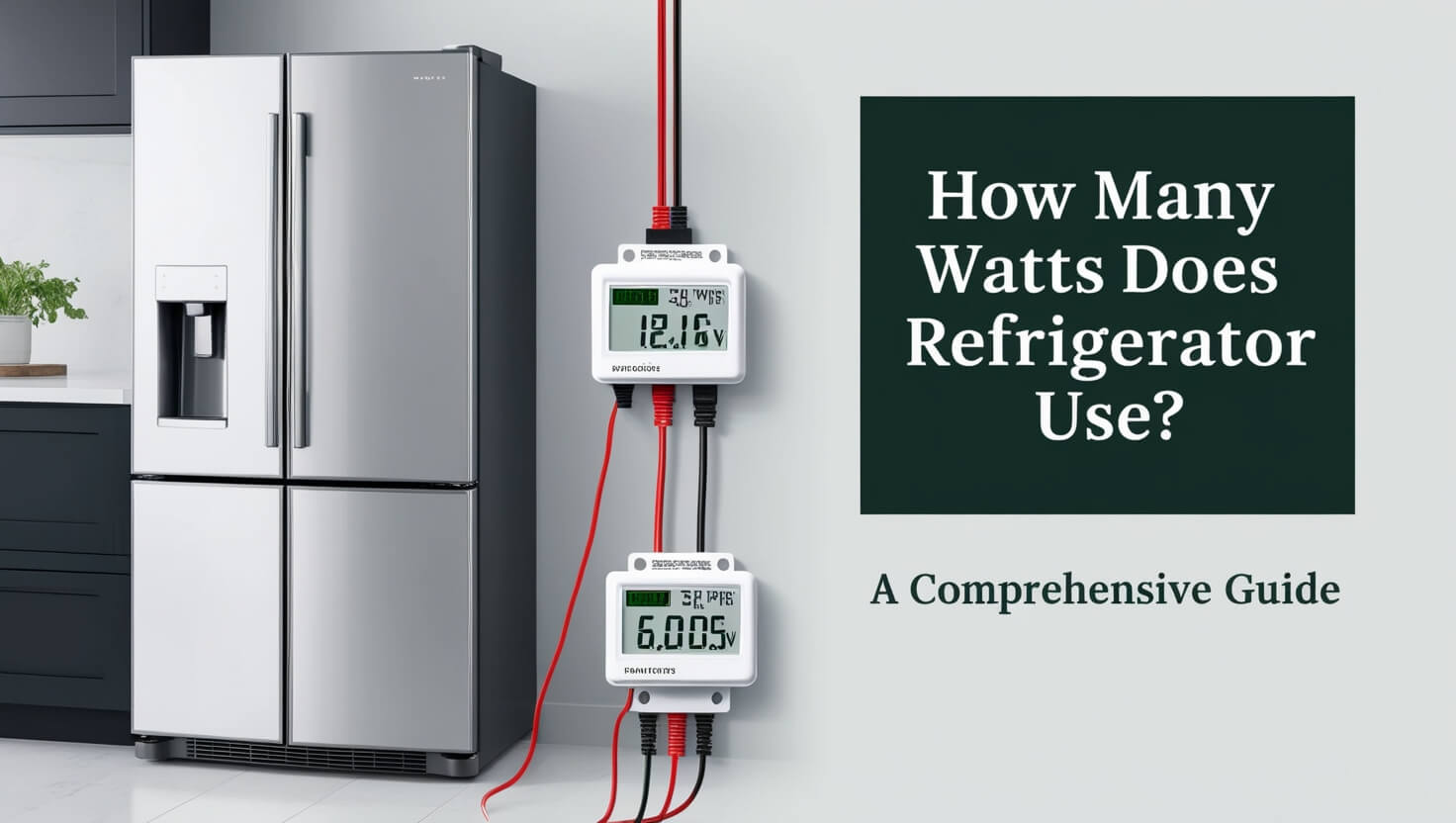
Ready to become a fridge energy expert? Here are some simple, practical tips to get started. First, check the label! Most fridges have a sticker inside (often on the door or inside wall) or on the back that lists its electrical requirements, including voltage (V) and sometimes amperage (A) or wattage (W). If it only gives you amps, a quick search for "Watts = Volts x Amps" will help you calculate it (most household outlets are 120V). Second, for the most accurate reading, grab an inexpensive Kill-a-Watt meter. You plug your fridge into it, and it tells you exactly how much power it’s drawing in real-time. Super cool! Beyond just measuring, you can save energy by making sure your fridge door seals are tight, cleaning the condenser coils regularly (dust buildup makes it work harder), and avoiding putting hot food directly inside. And if your fridge is super old, say over 10-15 years, it might be an energy hog compared to newer, Energy Star-rated models.
So, there you have it! Understanding how many watts your fridge uses isn't just about technical jargon. It's about empowering yourself with knowledge that can lead to real savings, a lighter environmental footprint, and a deeper appreciation for the appliances that make our lives easier. It's a small step towards a more energy-smart home, and that's something to truly enjoy!