
How Many Valence Electrons Do Metalloids Have
Hey there, chemistry chum! So, you're wondering about valence electrons in metalloids, huh? It's like trying to define "chill" – kinda depends, doesn't it?
First off, let's just quickly recap: Valence electrons are those outer shell electrons. The cool kids. The ones doing all the bonding. They decide how an atom interacts with other atoms. Think of them as the atom's social media profile. What "likes" and "dislikes" it has when getting together with other atoms.
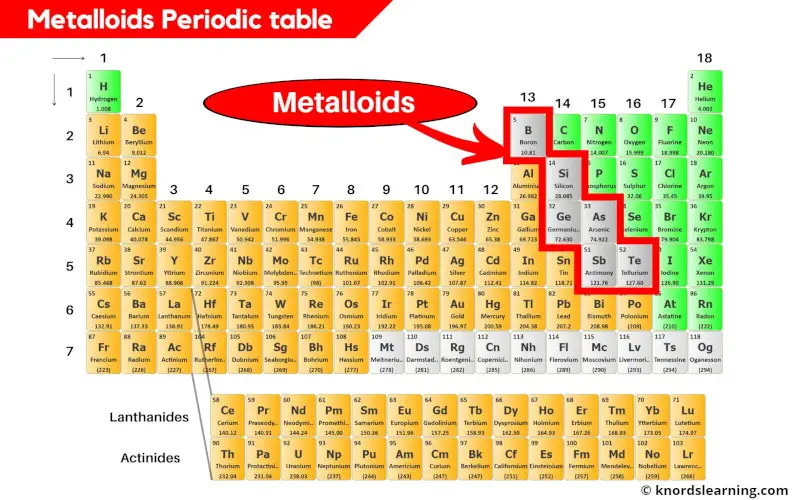
Now, for the metalloids. These elements live on the staircase between metals and nonmetals on the periodic table. They’re… complicated. You know, like that friend who's sometimes reliable? Sometimes not?
Must Read
The Metalloid Crew: It's a Mixed Bag!
We're talking about elements like Boron (B), Silicon (Si), Germanium (Ge), Arsenic (As), Antimony (Sb), Tellurium (Te), and Polonium (Po). Though whether Polonium and Astatine truly count as metalloids is… debatable. Let's just say it’s a hot topic at chemistry conferences.
The defining characteristic of metalloids is they have properties of both metals and nonmetals. Seriously. They can be shiny or dull, conduct electricity (but not as well as metals – think of them as "semi"-conductors), and sometimes act like they want to gain electrons, sometimes like they want to lose them. Total drama queens!
So, about those valence electrons… this is where it gets a little… squishy. Buckle up!
Counting Those Electrons: Not Always a Simple Task
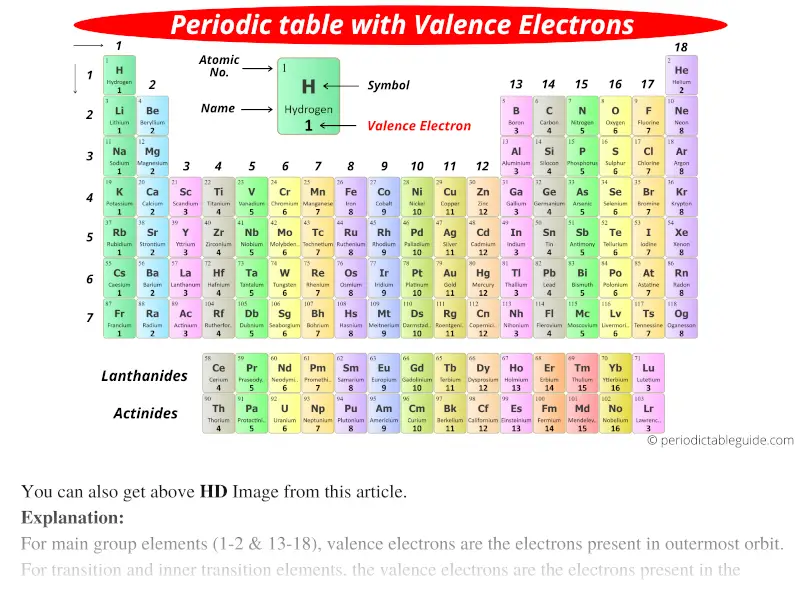
Generally, we look at the group number on the periodic table. This gives us a decent clue. BUT – and this is a BIG but – metalloids often have multiple oxidation states, meaning they can lose or gain different numbers of electrons depending on what they’re bonding with.
Let’s break it down element by element (sort of!).
Boron (B): Group 13. Generally has 3 valence electrons. Pretty straightforward. Tends to form covalent bonds. Boring boron (just kidding, Boron!).

Silicon (Si): Group 14. Typically has 4 valence electrons. Super important in semiconductors and… um… silicone implants? Okay, maybe ignore that last bit.
Germanium (Ge): Also Group 14. Surprise! 4 valence electrons are its usual vibe. Another semiconductor superstar. We use this one in electronics. It has the capacity to become part of electronic chips that you could find anywhere!
Arsenic (As): Group 15. You guessed it (or maybe you just scrolled down) - typically 5 valence electrons. Known for its toxicity. Probably best not to handle arsenic with bare hands. It is also sometimes used in semiconductors.
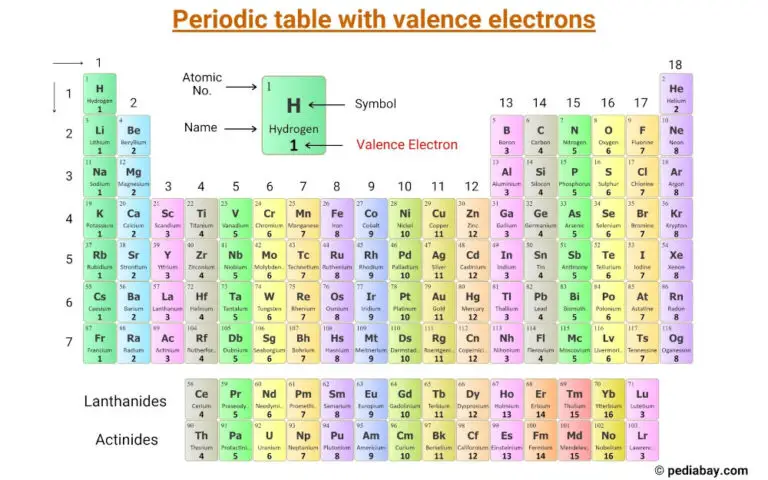
Antimony (Sb): Group 15 again! So, naturally, usually has 5 valence electrons. Used in flame retardants. Which is ironically really cool…get it?
Tellurium (Te): Group 16, which means it usually rocks 6 valence electrons. Used in solar panels, ironically helping to save us from that same fire.
Polonium (Po): Group 16. So you'd think 6 valence electrons. And... probably. But polonium is radioactive. Which means it's got bigger fish to fry than worrying about bonding nicely. I mean, it's decaying all the time! Give it a break!

The Bottom Line (because everything has one!)
So, to answer your question directly: Metalloids generally have between 3 and 6 valence electrons, depending on their group number. However, don't be surprised if they sometimes act a little… unpredictable. They are metalloids, after all! They're flexible! They're... metalloid-y!
Remember: Chemistry is all about understanding the trends, but also appreciating the exceptions. And metalloids? They're definitely an exception that proves the rule (or at least bends it a little).
Hope that clears things up! Now, who wants a refill on their coffee?