How Many Smoke Alarms Should A House Have
Okay, confession time. Just last week, I was in the middle of a culinary masterpiece – or, you know, trying to make toast without burning it to a crisp – when suddenly, the air was ripped apart by a sound that could wake the dead: BEEP-BEEP-BEEP! My cat nearly vaulted through the ceiling, and I, well, I just stood there, spatula in hand, staring up at the offending little white disc like it had personally insulted my cooking skills. False alarm, thankfully. Just a little too much char on the edges, apparently.
But as I was waving a dishtowel around like a mad conductor, trying to silence the digital banshee, a thought struck me: how many of these things do I actually have in my house? And more importantly, how many should I have? It’s one of those things we all know we need, but do we really know the rules?
The Absolute Bare Minimum: Don't Skimp Here!
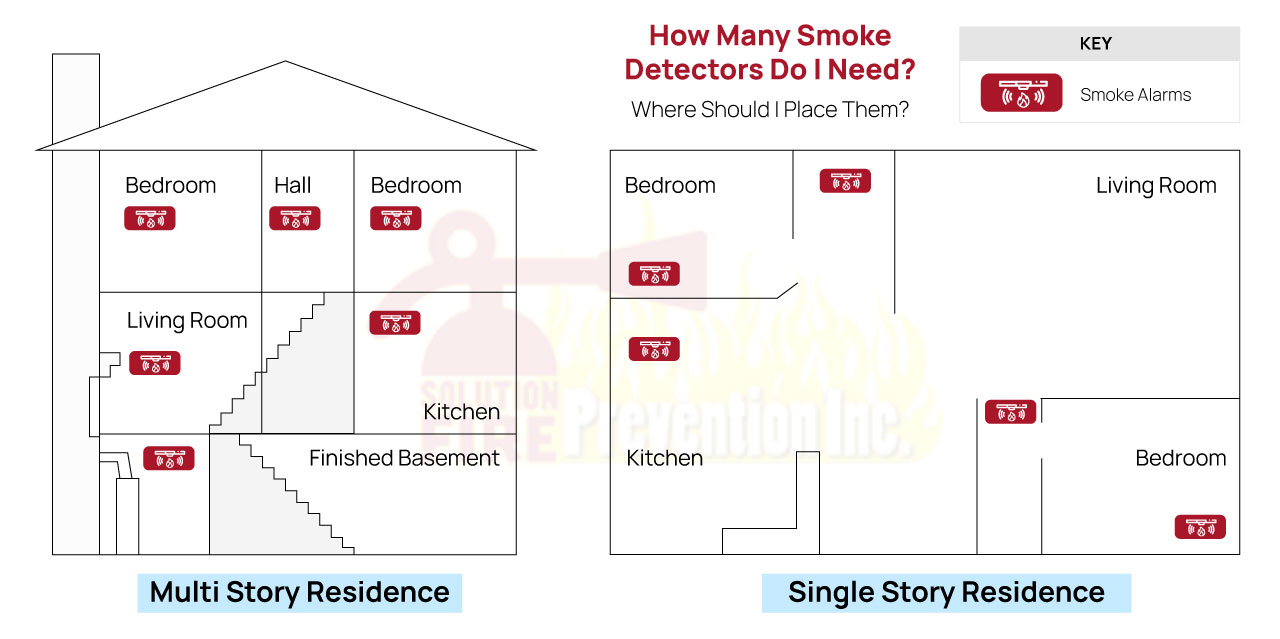
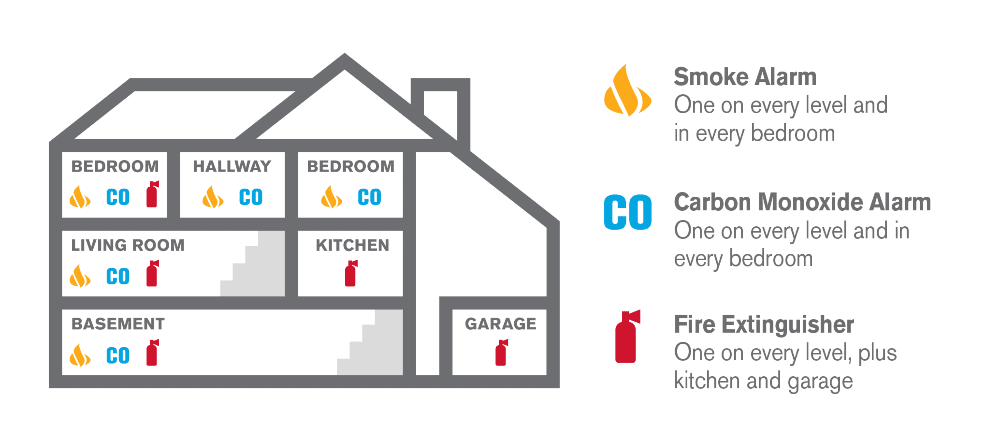
Let’s cut to the chase, because when it comes to fire safety, you don’t want to be guessing. The general consensus, backed by pretty much every fire safety expert out there (and let’s be real, they know their stuff), is that you need at least one smoke alarm on every single level of your home. Yep, every level.
Must Read
Now, what counts as a "level"? Good question! We're talking about your main floor, your upstairs, your basement (finished or unfinished – doesn't matter, still a level!), and even your attic if it’s an accessible living space. If you've got a split-level, count each distinct elevation as its own level. The idea here is that no matter where a fire starts, an alarm on that floor should pick it up.
Sleeping Soundly: Protect Those Bedrooms!
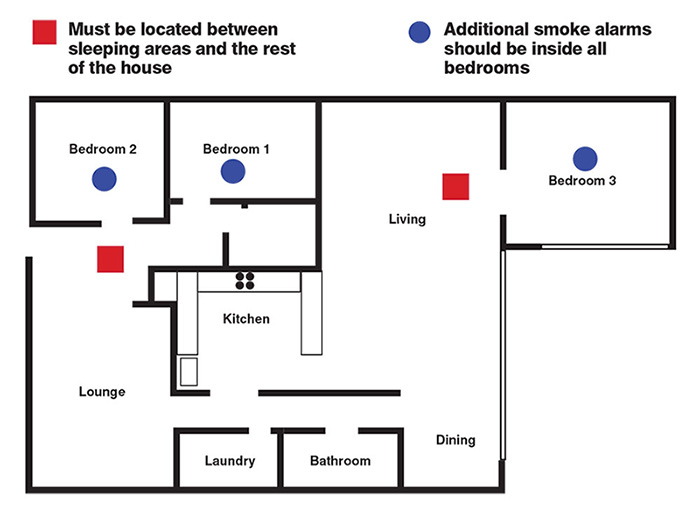
This next bit is super important, so lean in. You need a smoke alarm inside every single bedroom. Not just near the bedrooms, but inside them. Think about it: most fatal fires happen when people are asleep. You want that direct, immediate warning right where you’re most vulnerable. This means if you have three bedrooms, you need three smoke alarms in those rooms alone.
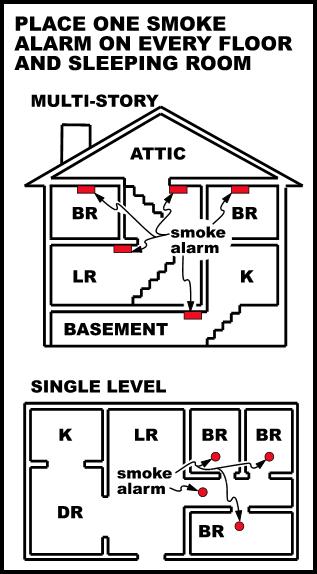
But wait, there’s more! You also need an alarm outside each sleeping area. This covers hallways or common areas adjacent to bedrooms. Why both? Because if a fire starts in the hallway, the alarm outside the bedroom will sound, giving the folks inside time to wake up and get out before the fire reaches them. It’s like a double-layered defense system for your snooze zone. Smart, right?
Where Else Should They Be Hiding?
Beyond bedrooms and every level, consider other living areas. Your living room, dining room, family room – these are all great spots for an additional alarm. Basically, any large common space where people gather, or where electronics might be plugged in, is a good candidate.
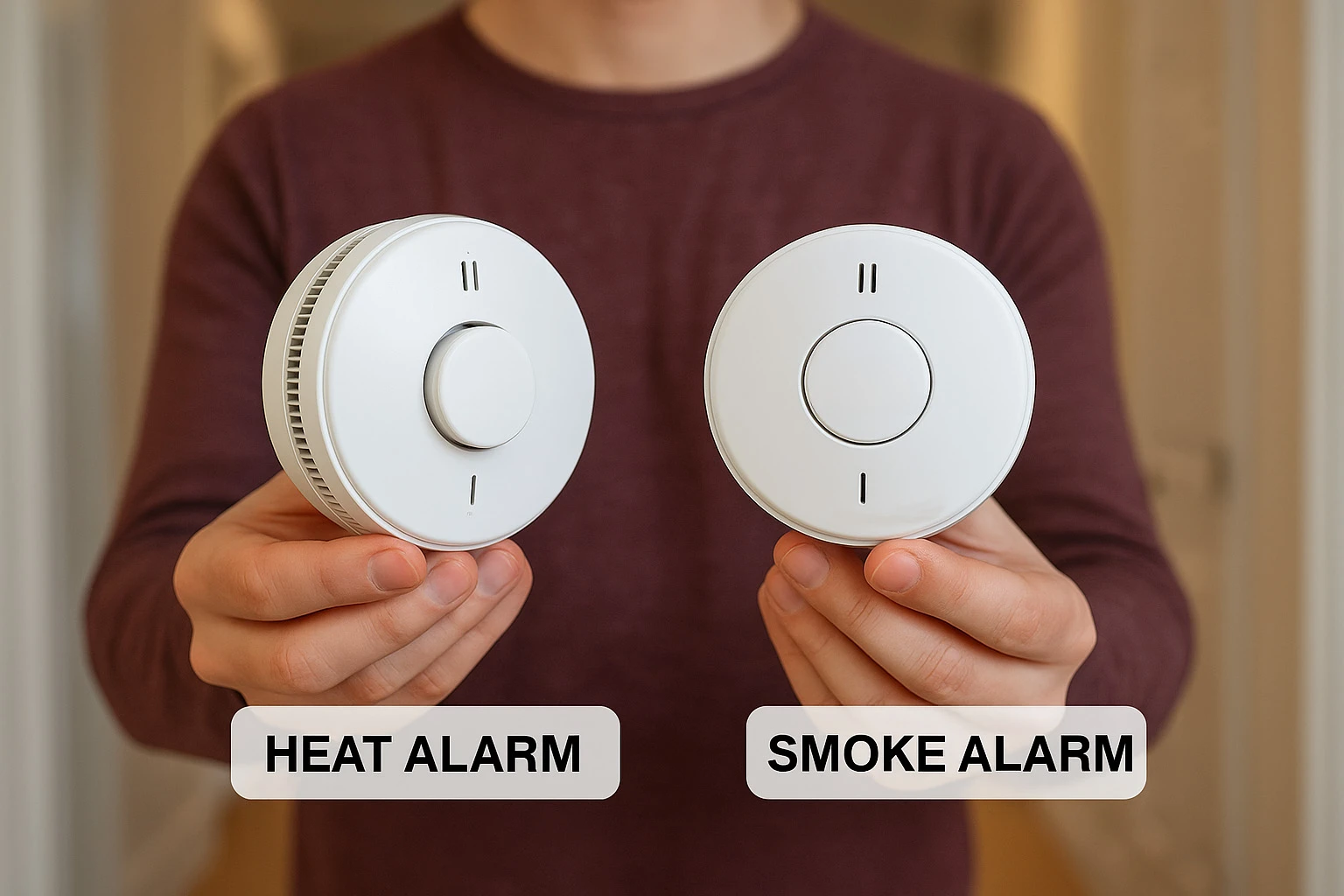
What about the kitchen? Ah, the kitchen. My nemesis from the toast incident. While you definitely want protection near the kitchen, putting a smoke alarm directly in the kitchen is often an invitation for false alarms from cooking fumes. Most experts recommend placing it at least 10 feet away from cooking appliances. So, in the hallway or dining room just off the kitchen is usually perfect. This way, it’ll catch any serious smoke, but hopefully spare you the annoyance of a shrieking alarm every time you sear a steak.
The Superpower of Interconnected Alarms
Here’s where we level up our fire safety game: interconnected smoke alarms. If you have the choice, or if you’re renovating, always go for these. What does "interconnected" mean? It means if one alarm goes off, they all go off. Think about how crucial that is. If a fire starts in the basement while you’re upstairs, you’ll know about it instantly. There’s no waiting for the smoke to travel, no hoping the sound carries. It’s a full-house alert, giving everyone the maximum possible time to escape. Seriously, this is a game-changer for safety.
Don't Forget Maintenance: The Unsung Hero
Having enough alarms is only half the battle. They're not "install and forget" devices. Remember to:
- Test them monthly: Just press that little button. You'll hear the beep, and you’ll know it’s working.
- Change batteries annually: Even if they're hardwired, they usually have a backup battery. Pick a memorable day, like daylight saving time changes, to swap them out.
- Replace alarms every 10 years: Yep, they don't last forever. The sensors degrade over time. Check the manufacturing date on the back; if it's over 10 years, it's time for new ones.
So, What’s Your Number?
To recap: at least one on every level, inside every bedroom, and outside every sleeping area. Plus, consider other main living spaces. Do a quick mental inventory of your home. Are you covered? It might sound like a lot of alarms, but when you consider what they're protecting – your home, your family, your life – it’s a pretty small investment for such a huge peace of mind.
Don’t wait for a burnt toast incident to make you think about it. Go check your alarms. Test them. Count them. And if you’re coming up short, make a plan to get some more. Because while a false alarm is annoying, a real fire without one is a catastrophe. Be safe out there!