How Many Rounds In Fantasy Football Draft

Alright, fantasy football fanatics! The air is crisp, the leaves are turning, and that can only mean one thing: it's draft season! You've meticulously researched player stats, devoured mock drafts, and perfected your draft day snacks. But before you step into the arena, let's tackle a fundamental question: how many rounds should your fantasy football draft have?
The answer, like a perfectly aged bourbon, isn't always simple. It depends on your league's specific setup, the number of teams, and your preferred roster size. But don't worry, we're here to break it down like Bill Belichick dissecting a rookie quarterback.
The League Standard: A Foundation to Build On
The most common draft format, and a great starting point, is a 16-round draft. This typically reflects a roster that includes starting quarterbacks, running backs, wide receivers, tight ends, a flex position, a defense/special teams (D/ST), a kicker, and a healthy dose of bench players to cover bye weeks and injuries. Think of it as the "vanilla" option – reliable, familiar, and generally well-received.
Must Read
Pro Tip: Before draft day, make sure everyone in your league is crystal clear on the number of rounds and roster spots. Nothing kills the vibe faster than someone yelling, "Wait, we have to draft a KICKER?!" halfway through.
Tweaking the Formula: Customizing for Maximum Fun
Want to add a little spice? Here's where things get interesting. The 16-round format isn't written in stone. Consider these factors when deciding if you need more or fewer rounds:
- League Size: The more teams in your league, the more rounds you'll likely need. In a 10-team league, 16 rounds might be perfect. But in a 14-team league, you might want to bump it up to 18 or even 20 to ensure everyone has a decent bench.
- Roster Size: If your league features deeper benches (meaning more reserve players), you'll definitely need more rounds. More roster spots equal more players to draft. Simple math, really.
- Starting Lineup: Some leagues get creative with their starting lineups, adding extra flex positions or requiring multiple quarterbacks. These adjustments will necessitate more rounds to fill those spots.
Fun Fact: Did you know that the average NFL roster size is 53 players? While you won't be drafting that many in your fantasy league, it's a good reminder of the depth required to navigate a long season.
The Art of the Late Rounds: Where Legends Are Born (and Dreams Die)
Don't underestimate the importance of the late rounds! This is where you can find hidden gems, potential breakout stars, and the occasional waiver wire hero. Think of it as the fantasy football equivalent of unearthing a vintage vinyl record at a garage sale.
Practical Tip: In the late rounds, focus on upside. Don't be afraid to take a flier on a rookie with potential or a player who's poised for a bigger role due to injury. These are the picks that can win you championships (or at least give you bragging rights).
Going Rogue: Alternative Draft Formats
Feeling adventurous? Consider these less common, but equally fun, draft formats:
- Auction Draft: Instead of a traditional snake draft, teams bid on players. This format requires a different strategy and can be incredibly exciting.
- IDP (Individual Defensive Player) Leagues: These leagues add defensive players to the mix, requiring even more roster spots and draft rounds.
- Keeper/Dynasty Leagues: These leagues allow you to keep players from year to year, adding a long-term strategic element to the draft. The number of rounds can vary widely depending on the keeper rules.
Remember: The goal is to have fun! Choose a format that suits your league's preferences and promotes friendly competition (and maybe a little trash talk).
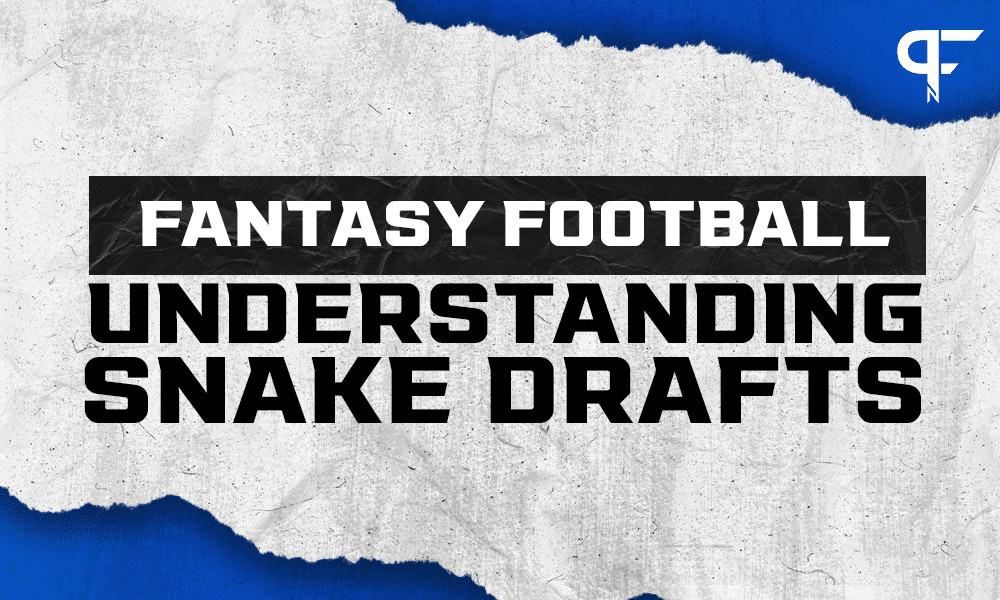
Bold move: If you are short on time, try a shorter draft with increased waiver wire activity. The key is communication and agreement with your leaguemates!
Finding Your Sweet Spot
Ultimately, the ideal number of rounds in your fantasy football draft is the one that creates the most balanced and engaging experience for your league. Talk to your fellow managers, consider your roster size and league settings, and don't be afraid to experiment. Fantasy football, like life, is about finding what works best for you.
And just like navigating a busy Sunday, remember to stay calm, be patient, and trust your gut. Sometimes, the best decisions are the ones that feel right, even if the stats don't fully support them. Now go forth and conquer your draft! And may the odds be ever in your favor. Cue dramatic music