
How Many Plastic Water Bottles Are In The Ocean
Hey there, fellow earthlings! Ever wondered what happens to that plastic water bottle you tossed in the recycling bin? (Hopefully, you recycled it!). Well, some of them, sadly, don't make it to the recycling plant. They end up on a much longer, less desirable journey: the ocean.
So, how many plastic water bottles are actually bobbing around out there? That's the million-dollar question, isn't it? (Actually, it's probably a multi-billion-dollar problem.)
The Great Plastic Puzzle: It's Complicated
Okay, here's the thing. No one can give you an exact number. It's not like someone's out there with a giant calculator, counting every single bottle. Imagine trying to count every grain of sand on a beach – that's the scale we're talking about!
Must Read
Think about it. The ocean is HUGE. It covers over 70% of the Earth's surface. And plastic pollution is constantly entering it from rivers, coastlines, and even directly from boats and ships. It's a never-ending flow, which makes precise calculations... well, nearly impossible.
But scientists have made estimates. And those estimates are... staggering. Seriously, grab a cup of tea, because you're gonna need to sit down for this.

Mind-Blowing Numbers: Brace Yourself
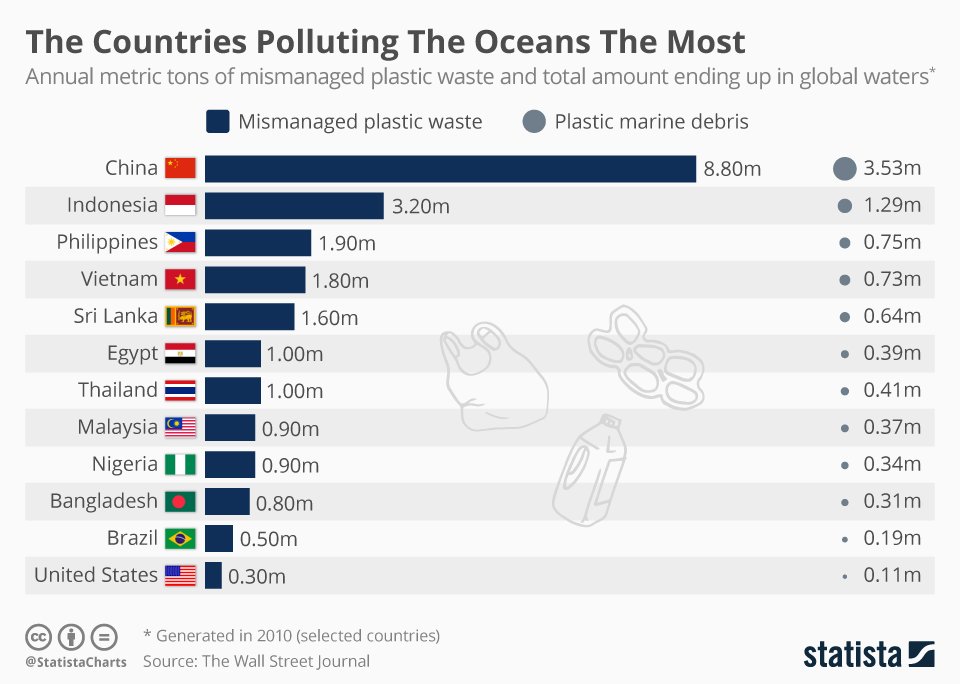
Here's where things get a little scary. Experts estimate that millions of tons of plastic end up in the ocean every year. Millions! That's like emptying a garbage truck full of plastic into the ocean every single minute. Crazy, right?
Now, breaking that down into water bottles is tricky. Not all ocean plastic is from water bottles, of course. There are plastic bags, fishing gear, straws, and all sorts of other plastic debris contributing to the mess. But water bottles are a significant part of the problem.
Some studies suggest that plastic beverage bottles represent a significant percentage of the total plastic waste in the ocean. Let's just say, for argument’s sake, that water bottles make up, say 10% of the total plastic waste. That means hundreds of thousands of tons of plastic water bottles are entering the ocean annually.
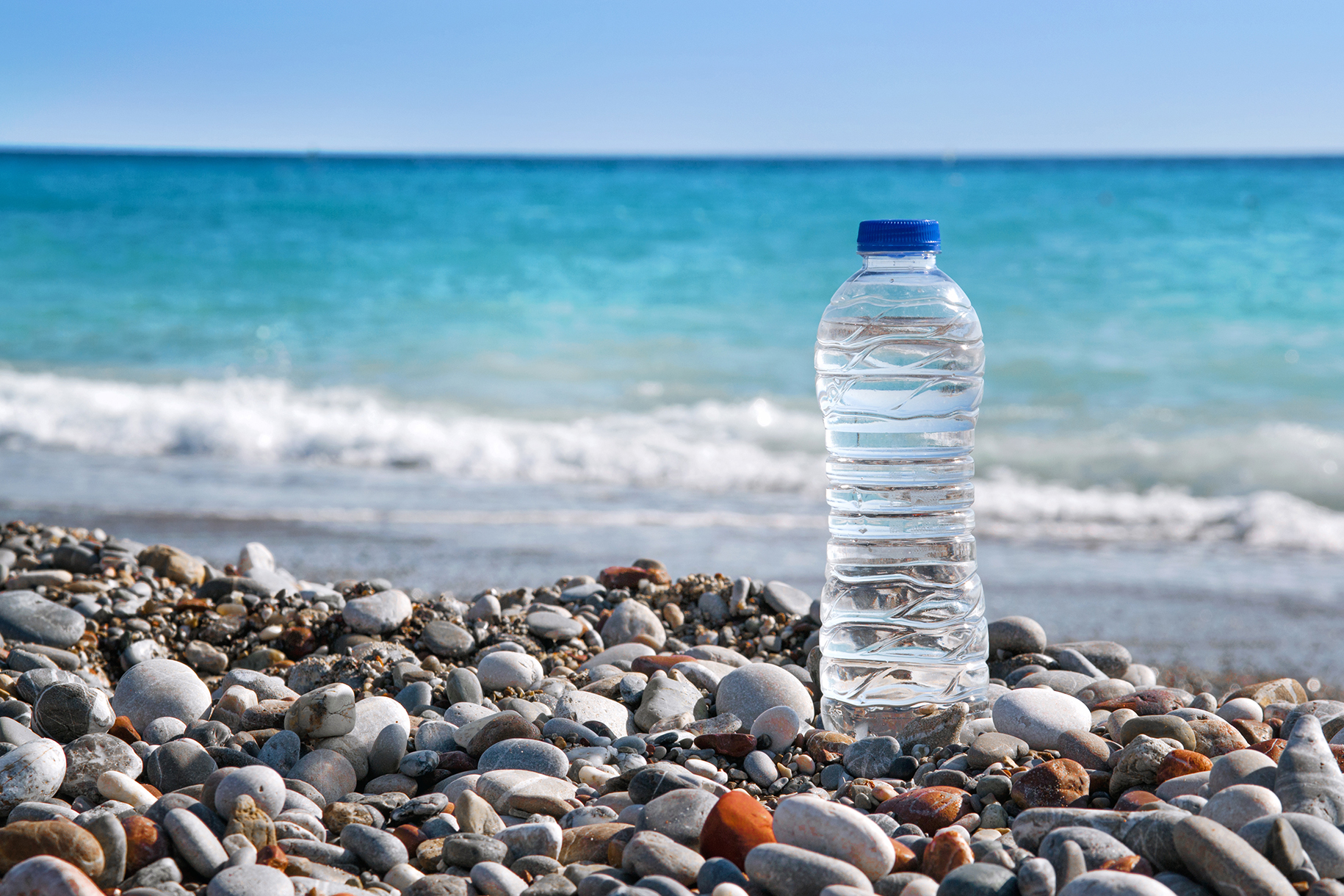
To put that into perspective, imagine a line of plastic water bottles stretching all the way around the Earth. Now imagine that line repeated hundreds, maybe even thousands, of times. That's how much we're talking about.
Where Does All This Plastic Go?
So, where do all these bottles end up? Well, some of them float on the surface, accumulating in areas called "garbage patches." The most famous of these is the Great Pacific Garbage Patch, a swirling vortex of trash located between Hawaii and California. It's estimated to be twice the size of Texas!
But a lot of plastic also sinks to the ocean floor, polluting deep-sea ecosystems that we know very little about. And, even scarier, plastic breaks down into tiny pieces called microplastics. These microplastics are ingested by marine animals, working their way up the food chain and potentially ending up on our dinner plates. Yikes!

Why Should We Care (Besides the Obvious "Pollution is Bad" Thing)?
Okay, so we know there's a lot of plastic in the ocean. But why is it such a big deal? Well, besides the fact that it makes our oceans look like giant landfills, plastic pollution poses a serious threat to marine life.
Sea turtles mistake plastic bags for jellyfish and eat them, leading to starvation. Seabirds get tangled in plastic fishing gear. And marine mammals, like whales and dolphins, ingest plastic debris, which can block their digestive systems and cause them to starve. It's a heartbreaking situation.
But here's the good news: we can do something about it! Every little bit helps. Choosing reusable water bottles, reducing our reliance on single-use plastics, and supporting organizations that are working to clean up the ocean can make a real difference.
![Plastic Pollution Statistics & Facts [2023]](https://www.happinesswithout.com/wp-content/uploads/2021/07/plastic-in-the-ocean-1536x1107.jpg)
The Future: It's Up to Us
The problem of plastic pollution in the ocean is enormous, but it's not insurmountable. By raising awareness, changing our habits, and supporting innovative solutions, we can work together to create a cleaner, healthier ocean for future generations.
So, next time you reach for a plastic water bottle, ask yourself: is there a better way? Maybe it's time to invest in a cool reusable bottle. Think of it as a stylish statement and a commitment to a better planet! And that, my friends, is pretty darn cool.
Let's all do our part to turn the tide (pun intended!) on plastic pollution. Because a healthy ocean means a healthy planet, and a healthy planet means a happy us!