
How Many Payday Loans Can You Get
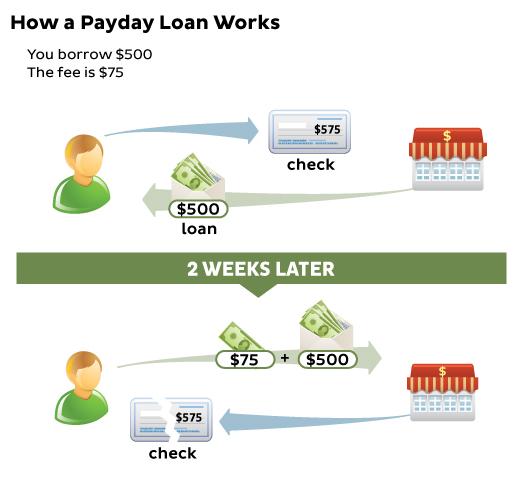
Okay, let’s talk about payday loans. We’ve all been there, right? That moment when your fridge is emptier than a politician's promises, and your bank account is singing the blues. You need cash, and you need it yesterday. That's when the siren song of the payday loan starts to sound pretty tempting.
But before you dive headfirst into what seems like a quick fix, let's unravel a common question: "How many payday loans can I actually get?" Think of it like trying to juggle chainsaws – sure, one might be manageable, but three? Now you're just asking for trouble.
The State-by-State Situation: A Patchwork Quilt of Rules
The truth is, the answer to this question is as varied as the toppings on a build-your-own pizza. It really depends on where you live. Each state has its own set of rules and regulations regarding payday loans. Some states are stricter than your grandma when you try to leave the dinner table without finishing your vegetables. Others are more lenient, like that cool uncle who always lets you get away with stuff.
Must Read
Some states flat-out prohibit payday loans altogether. They're like the grumpy neighbors who ban all fireworks and loud music. Other states allow them, but with strict limitations on the loan amount, interest rates, and the number of loans you can have outstanding at any one time.
To find out what the deal is in your neck of the woods, you'll need to do a little digging. Check your state's government website or look for resources specifically dedicated to consumer financial protection. It's about as exciting as reading the back of a cereal box, but trust me, it's worth it.

The "One at a Time" Approach: A Common Restriction
In many states that permit payday loans, a common restriction is the "one at a time" rule. This means you can only have one payday loan outstanding at any given moment. Trying to get a second one while the first is still active is like trying to fit two cats into a single cardboard box – it's not going to end well.
The idea behind this is to prevent people from getting trapped in a cycle of debt. Payday loans, with their sky-high interest rates, can be incredibly difficult to repay. If you're constantly taking out new loans to cover old ones, you're basically running on a financial hamster wheel.
The Database Dilemma: Tracking Your Loan Activity
To enforce these "one at a time" rules, many states use a centralized database. This database tracks all payday loan activity within the state. So, if you try to sneakily apply for a second loan while you already have one, the lender will see it in the system, and your application will likely be denied.
Think of it as the DMV for payday loans. They know everything! They know when you got your loan, how much you borrowed, and when it's due. There's no hiding from the all-seeing eye of the payday loan database.

So, What's the Magic Number? (Hint: It's Probably One)
Alright, so after all that, let's circle back to the original question. How many payday loans can you get? In most cases, the answer is likely to be one. While the specific rules vary from state to state, the overarching goal is to prevent borrowers from accumulating excessive debt.
It's like that old saying goes: "Everything in moderation, even moderation." Okay, maybe that's not exactly how it goes, but the point is, be careful with payday loans. They can be a helpful tool in a pinch, but they're not a long-term solution to your financial woes. Think of them as a band-aid, not a cure.

A Word of Caution (and Maybe a Little Laughter)
Before you even consider taking out a payday loan, take a good, hard look at your finances. Is there any other way you can cover your expenses? Can you borrow money from a friend or family member? Can you sell some unwanted items online? Can you finally return that overdue library book and avoid the late fees?
Payday loans can be tempting, but they're often a recipe for financial headaches. They are the equivalent of eating a whole box of cookies in one sitting - feels good at the time, but you'll regret it later.
Always read the fine print, understand the terms and conditions, and make sure you have a plan to repay the loan on time. Otherwise, you might find yourself in a situation where you're juggling more chainsaws than you can handle. And nobody wants that.