
How Many Ounces In 2.2 Liters

Okay, buckle up buttercups, because we're about to dive headfirst into the wild, wonderful world of liquid measurement! And specifically, we're tackling the age-old question: How many ounces are lurking within a seemingly innocent 2.2 liters?
The Great Ounce-Liter Standoff
Imagine, if you will, a showdown. On one side, the metric system's champion, the liter, standing tall and proud. On the other, the slightly more… colorful… imperial system's contender, the ounce, ready to rumble! This is going to be epic!
But First, A Word From Our Sponsors (Just Kidding!)
Alright, before we get lost in metaphors (which, let's be honest, is kind of my thing), let's get down to brass tacks. We need a conversion factor. It's the secret decoder ring that unlocks the mystery.
Must Read
The magic number is approximately 33.814. That's right, one liter is roughly 33.814 ounces. Memorize it! Tattoo it on your forehead! Okay, maybe not the forehead thing. But definitely keep it in your back pocket!
Crunching the Numbers (Don't Worry, It's Not Scary)
Now for the fun part! We take our 2.2 liters and multiply it by our trusty conversion factor (33.814 ounces per liter). Get your calculators ready, folks! Or, you know, just trust me on this one.
The result? Drumroll please… Approximately 74.39 ounces! That's right, 2.2 liters holds a grand total of around 74.39 ounces. Victory is ours!
Think of it this way, that's almost enough liquid to fill nine standard cans of soda. Soda party, anyone?
Why Should You Even Care?
Good question! Maybe you're trying to figure out if that giant water bottle you saw online will actually quench your thirst during that marathon you're totally going to run (someday). Or perhaps you're trying to decipher a confusing recipe from your eccentric Aunt Mildred who only uses metric when she feels like it.
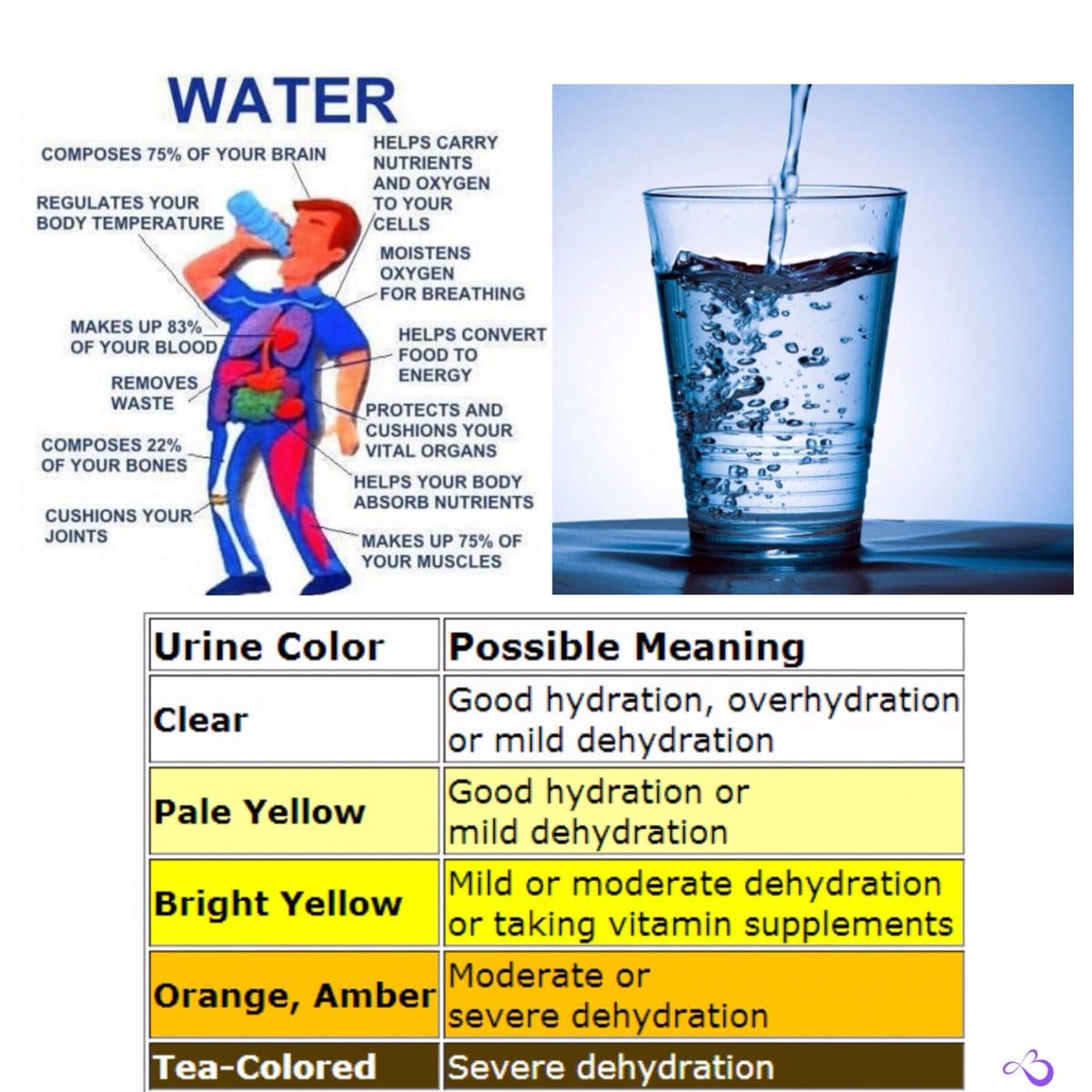
Maybe you're planning a giant bath using only imported bath salts and need to know just how many bottles of essential oils to dump in. Okay, that one might be a stretch, but you get the idea!
Relatable Examples (Because Math Can Be Abstract)
Let's bring this down to earth with some everyday comparisons. Imagine a large pitcher of lemonade. A really, really large pitcher. Okay, imagine two large pitchers of lemonade.
That's roughly what 2.2 liters looks like. Enough to satisfy a small army of thirsty kids after a soccer game. Or, you know, just you on a particularly hot day. No judgment here!
Think about a standard wine bottle. It's usually around 750 milliliters, or 0.75 liters. So, 2.2 liters is almost like having three bottles of wine... Almost. (Please drink responsibly, and maybe share with friends!)
A Little Playful Exaggeration (Because Why Not?)
Let's ramp up the silliness a bit. 2.2 liters is enough liquid to fill approximately 148 shot glasses! Now, I'm not suggesting you embark on some kind of epic shot-taking competition. But the possibility is there!

That's also enough to fill about 74 of those tiny little condiment cups you get at fast-food restaurants. Imagine the condiment possibilities! Ketchup, mustard, sweet-and-sour sauce, all lined up in perfect, saucy harmony!
The Ounce: A Closer Look at This Quirky Unit
So, what exactly is an ounce, anyway? Well, it depends on who you ask! There are fluid ounces (which we're talking about here) and weight ounces (which are a whole other kettle of fish). Fluid ounces measure volume, while weight ounces measure… well, weight.
The fluid ounce is often abbreviated as "fl oz." Just so you know. And to be clear we're talking U.S. fluid ounces for this entire explanation. It's important to remember that there's also the UK fluid ounce, which is just a tiny bit larger.
Historically, the word "ounce" comes from the Roman word "uncia", which was one-twelfth of a Roman pound. See? History can be fun! Okay, maybe just slightly interesting.
Liter: A Modern Marvel
Now, let's give some love to the liter. This unit of volume is part of the metric system, which is used by most of the world. (Sorry, America! We still love you!)
The liter is defined as the volume of a cube that is 10 centimeters on each side. That's a pretty neat cube, if you ask me. The liter is also closely related to the kilogram. One liter of pure water has a mass of approximately one kilogram.
And here's a fun fact: the word "liter" comes from the older French unit, the "litron." So next time you use a liter, you can impress your friends with your newfound knowledge of obscure historical units.
So, What Have We Learned?
In conclusion, 2.2 liters is approximately 74.39 ounces. We've conquered the conversion, explored relatable examples, and even indulged in a little bit of playful exaggeration. It's been a wild ride!
Remember, whether you're baking a cake, hydrating after a workout, or just trying to win a bar bet (please bet responsibly!), knowing how to convert between liters and ounces can be a surprisingly useful skill.
So go forth and measure with confidence! And may your liquids always be in the right proportions. (Unless you're intentionally trying to create chaos, in which case, carry on!)
Final Thoughts (and a little bit of encouragement)
Don't be afraid of numbers! They might seem intimidating at first, but with a little practice and a healthy dose of curiosity, you can unlock their secrets. Embrace the metric system, embrace the imperial system, embrace all the systems!
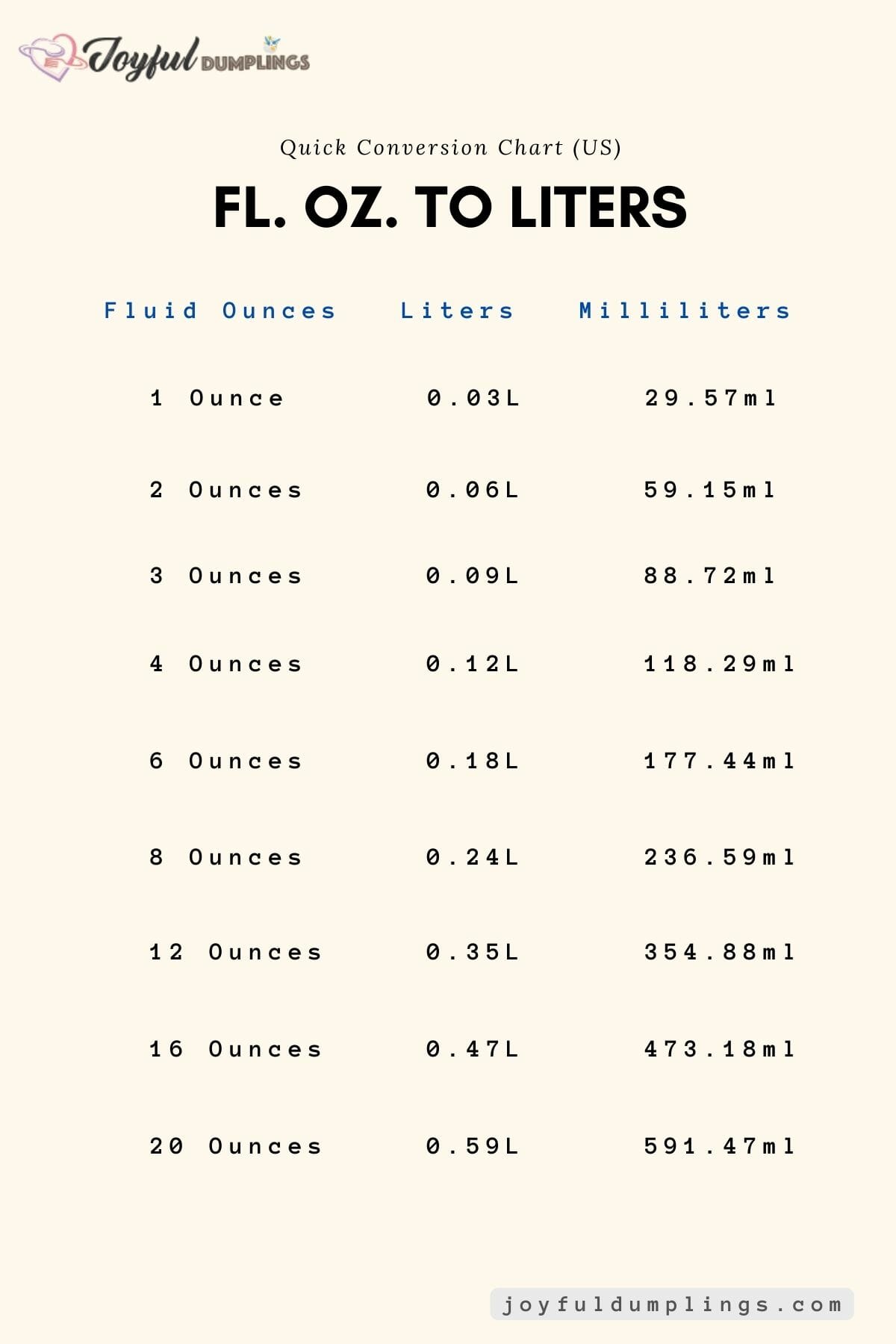
And if you ever forget the conversion factor, just remember: 1 liter is about 33.8 ounces. Close enough for government work! (Just kidding! Please be precise when precision is required!).
Now, go forth and impress your friends with your newfound knowledge! You're a liquid measurement master! And you deserve a celebratory beverage of your choosing. (Preferably measured in liters or ounces!).
Also, if you are dealing with larger amount it helps to know that there are 128 ounces in a gallon. Gallons are commonly used to measure liquids, especially milk and gasoline.
It’s also important to note, that most bottles of water sold in the US are 16.9 ounces or 500 ml (0.5 L).
Understanding volume measurements can be incredibly useful in various contexts. Whether you're cooking, baking, or managing inventory in a business setting, knowing how to convert between different units is essential for accuracy and efficiency.
And that wraps it up, folks! Happy measuring and stay hydrated!