
How Many Nuclear Power Plants In Tennessee

Alright, pull up a chair, folks, and let's spill some metaphorical tea – though, considering the topic, maybe we should stick to water. You ever found yourself scrolling through your phone, minding your own business, when suddenly a random thought hits you with the force of, well, a small controlled nuclear reaction? Mine often go something like, "How many squirrels does it take to power a small village?" or, more relevantly today, "Just how many nuclear power plants are humming away in the great state of Tennessee?"
It’s a question that probably doesn't keep most people up at night. But for those of us with a healthy dose of curiosity (and maybe a slight obsession with energy infrastructure), it’s a genuine head-scratcher. Are we talking zero? A whole fleet of glowing behemoths? Do Tennesseans have three eyes and glow in the dark? (Spoiler: No, not usually, unless they've just left a really enthusiastic laser tag game.)
The Big Reveal: It's Not Zero, and It's Not a Metropolis of Meltdowns!
Let's get straight to it, because I know you're on the edge of your virtual seat. When it comes to operating nuclear power plants in Tennessee, we're talking about a grand total of... drumroll please... two separate plant sites!
Must Read
Yep, just two. Not twenty, not five, but two. Now, before you start picturing a serene landscape dotted with countless cooling towers, let's clarify a tiny detail that makes this number a bit more robust: Each of these sites houses multiple nuclear reactors, or "units." Think of it like a family — two houses, but four energetic kids running around, generating enough power to keep the lights on and the Wi-Fi humming for millions.
Meet the Powerhouses: Watts Bar and Sequoyah
Our first star of the show is the Watts Bar Nuclear Plant. Tucked away near Spring City, Tennessee, it’s like the quiet overachiever of the family. Watts Bar actually holds a bit of a historical claim to fame. Its Unit 1 came online in 1996, but then, after a bit of a hiatus (think of it as a really long coffee break), Watts Bar Unit 2 became the first U.S. nuclear reactor to be completed and enter commercial operation in the 21st century, firing up in 2016. That’s like building a brand new wing on an already impressive mansion – pretty cool, right?
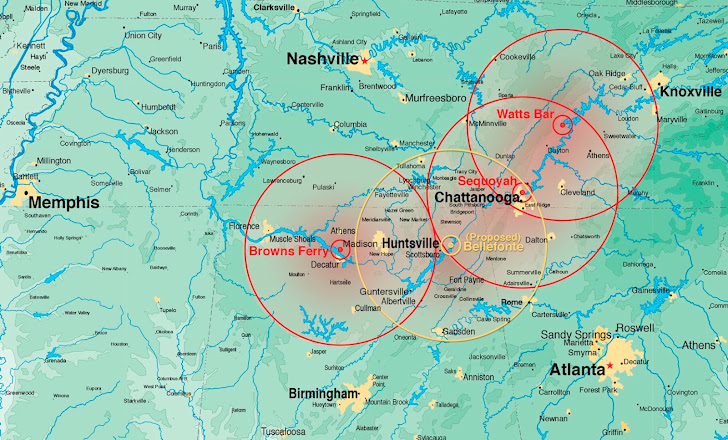
Then we have the equally impressive Sequoyah Nuclear Plant. Located near Soddy-Daisy (yes, that's a real place name, and it sounds like something out of a delightful children's book), Sequoyah has two units, Units 1 and 2, which have been doing their thing since the early 1980s. So, between Watts Bar's two units and Sequoyah's two units, that's a grand total of four active nuclear reactors contributing to the grid from just two locations. Not too shabby for a state known for its country music and delicious BBQ, eh?
These aren't just decorative landmarks, mind you. These plants are the heavy lifters, churning out a significant chunk of the electricity that powers homes, businesses, and all those glorious electronic devices we can't live without. We're talking about reliable, carbon-free electricity, which is pretty neat when you think about it.
But Wait, There's More (History)!
Now, here's where it gets a little more "surprising facts" cafe chat worthy. While Tennessee currently operates two sites, the state has a rich, albeit sometimes complicated, history with nuclear power. The Tennessee Valley Authority (TVA), the federal corporation that operates these plants, has a sprawling past. Back in the day, there were grand plans, big dreams, and a few projects that never quite made it to the finish line.
For instance, ever heard of the Clinch River Breeder Reactor Plant? It was envisioned as a groundbreaking project near Oak Ridge, Tennessee, aimed at producing more fuel than it consumed. It was the "future of energy!"... until it wasn't. After years of debate, construction, and changing political tides, it was ultimately canceled in the 1980s. So, while it didn't become an operational plant, it certainly left its mark on the nuclear history books (and probably a very expensive hole in the ground).
Then there were sites like Phipps Bend and Yellow Creek, intended for nuclear plants that also faced the chopping block before completion. It just goes to show you, even the best-laid nuclear plans can sometimes go awry. Think of them as the ambitious but ultimately unreleased concept albums of the energy world.
So, No Three-Eyed Fish?
Rest assured, despite the casual jokes and playful exaggerations, nuclear power plants are among the most heavily regulated and safest industrial facilities on the planet. The folks who work there are serious about safety, often to a degree that would make a germaphobe blush. The idea of glowing wildlife or spontaneous mutations is firmly in the realm of cartoon comedy, not real-life Tennessee.
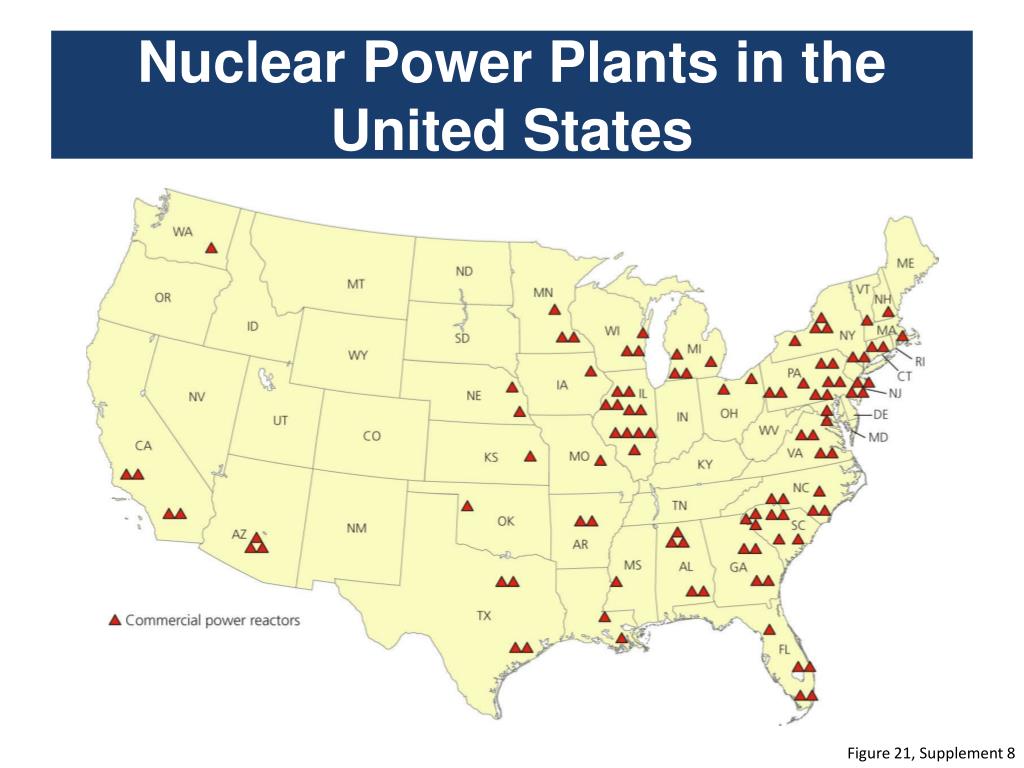
These plants are marvels of modern engineering, providing consistent, large-scale power without burning fossil fuels. They're part of a diverse energy portfolio that keeps our modern lives humming along, often without us giving a second thought to where that electricity actually comes from.
The Final Tally
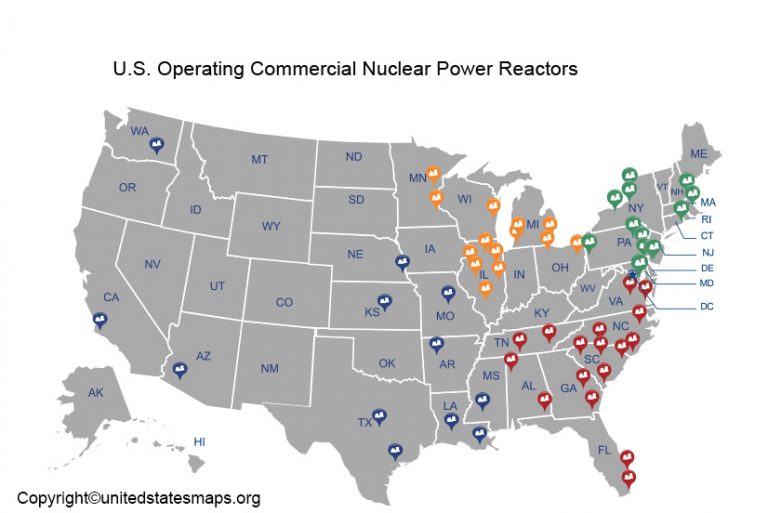
So, to recap our little energy adventure: When you ask about nuclear power plants in Tennessee, the answer is two operating sites (Watts Bar and Sequoyah), housing a total of four active nuclear reactors. And while there’s a fascinating history of grand plans and canceled projects, the current setup is efficient, powerful, and, dare I say, quite impressive.
Next time you flip a light switch in Tennessee, you can give a little nod to Watts Bar and Sequoyah, quietly doing their heavy lifting. And no, you won't suddenly crave green glow sticks or start speaking in electromagnetic pulses. Unless you've had too much coffee, in which case, that's entirely on you!