
How Many Nuclear Power Plants Are There In The World
Ever woken up on a Tuesday morning, squinted at your alarm, and thought, "How many actual nuclear power plants are there in the world right now?" Probably not. You’re more likely to wonder if you have enough coffee or if you really need to iron that shirt. But hey, some questions just pop into your head like a catchy earworm you can't shake. And this one, my friends, is surprisingly less intimidating than it sounds!
Let's face it, the phrase "nuclear power plant" often conjures images from sci-fi movies, complete with ominous cooling towers and a slight greenish glow. But in reality, they’re just super-sophisticated, heavy-duty kettles that boil water to make steam, which then spins turbines to generate electricity. Think of it as the world’s most complicated, high-stakes game of "spin the bottle," but with electrons.
So, How Many Are We Talking About?
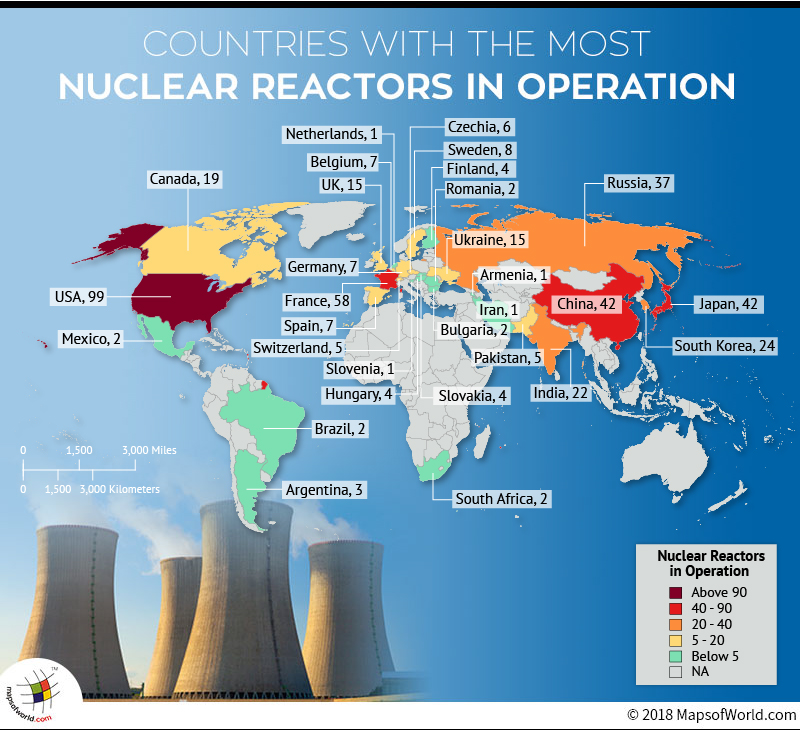
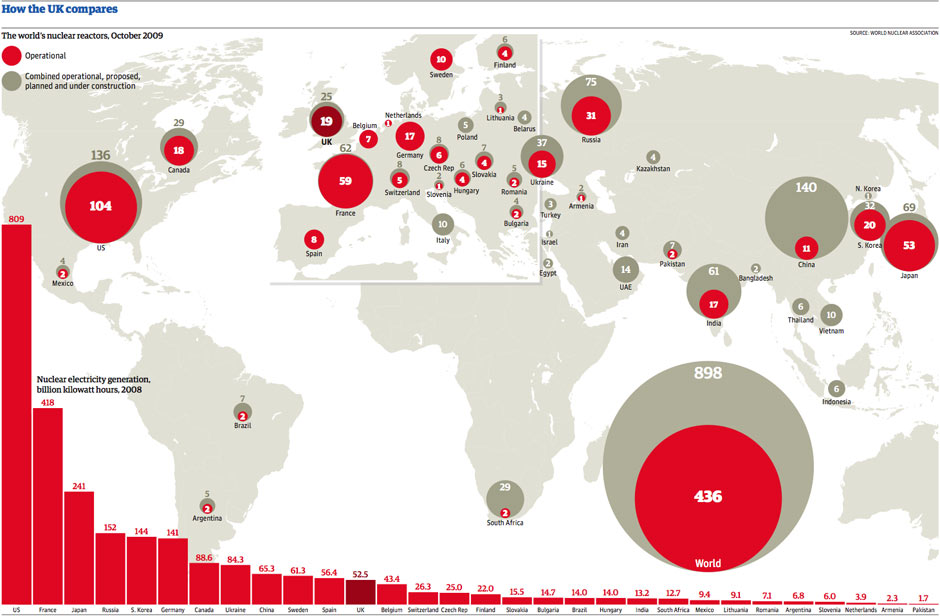
Alright, drumroll please! If you were picturing thousands, scattered across every mountain and valley like convenience stores, you might want to adjust your mental map. The actual number is far more... manageable. As of late, we're hovering around 440 operational nuclear power reactors across the globe. That’s right, four hundred and forty-ish. Not four hundred thousand, not forty thousand, just a solid four hundred and forty.
Must Read
To put that into perspective, imagine trying to count all the unique coffee shops in New York City. You'd probably hit exhaustion before you got to 440. Or, think about the number of times you’ve accidentally said "you too!" when a server tells you to enjoy your meal. It's probably more than 440, let's be honest.
This number isn't like the number of dust bunnies under your couch, which seems to multiply in the dark. It’s pretty stable, though it does fluctuate slightly as older plants retire and shiny new ones come online (a process that takes about as long as waiting for a really good sourdough starter to mature).
Who’s Got What in Their Energy Pantry?
These 440 plants aren't evenly distributed like sprinkles on a donut. Oh no. Some countries are practically hosting a nuclear power plant block party, while others are still just bringing the chips and dip.
The United States, for example, is like the cool kid with the most toys, boasting the largest fleet with around 90-something reactors. It’s a bit like owning the biggest collection of vintage video game consoles. Then you have France, which is basically the poster child for nuclear energy, getting a massive chunk of its electricity from these plants. They're all in, like that friend who commits to a theme party 110%.

Other big players include China, who’s been building them faster than you can say "sustainable energy future," and countries like Japan, Russia, and South Korea. It’s a truly global club, though definitely an exclusive one. You won't find nuclear plants in every country; it takes a serious commitment, a boatload of cash, and a whole lot of engineering smarts.
Why Not More, You Ask?
This isn't like trying to decide if you need another pair of sneakers. Building a nuclear power plant is a monumental undertaking. Imagine building the most complex, secure, and regulated skyscraper in the world, then making it boil water for 60 years. It’s a project that involves:
- Megabucks: We're talking billions, not just a few loose change.
- Time travel (almost): From planning to operation, you're looking at a decade or more. You could probably raise a child from toddler to teenager in the time it takes to get one of these up and running.
- Brainpower galore: It requires some of the brightest minds on the planet to design, build, and operate them safely.
- Red tape for days: The regulations are intense, and for very good reason! Safety is absolutely paramount.
So, while the idea of limitless clean energy might sound appealing, getting more nuclear plants online is a bit like trying to schedule a group dinner with 15 friends — it's complicated, expensive, and takes ages to coordinate.
The Silent Workhorses of the Grid
These 440-ish plants are working tirelessly, often out of sight, providing reliable, low-carbon electricity to millions. They don’t depend on the sun shining or the wind blowing, which makes them incredibly valuable for keeping our lights on, our phones charged, and our Netflix streaming, even on a cloudy, windless day.
So, the next time your microwave zaps your leftovers or your hair dryer roars to life, take a tiny moment to appreciate the unsung heroes of the global energy mix. Somewhere out there, one of those 440-ish marvels is doing its very intricate, very powerful, and surprisingly mundane job of boiling water to keep your world humming along. And now you know exactly how many there are – approximately! You're welcome.
