
How Many Mah Is A Car Battery

Hey there, ever found yourself staring at your phone's battery percentage, a little knot forming in your stomach as it dips below 20%? We've all been there! That familiar dread of running out of juice when you need it most. We often talk about our phone batteries in terms of mAh – milliampere-hours. It's a handy little number that tells us how much "juice" our tiny pocket computers hold.
But what about your car battery? Does it have an mAh rating? And if so, how many mAh does a car battery pack? Is it like a super-sized phone battery, or something entirely different? Let's take a little road trip into the world of car batteries, no engineering degree required!
What's the Deal with mAh Anyway?
First, a quick pit stop on mAh. Think of it like a fuel tank for electricity. The higher the mAh, the bigger the tank, and the longer your device can run. For example, a typical smartphone might have a 3,000 to 5,000 mAh battery. That's why you can scroll through TikTok for hours (maybe too many hours, let's be honest!).
Must Read
So, if your phone is a small thermos of coffee, a car battery must be... a swimming pool full of espresso, right? Well, not exactly in terms of mAh. This is where things get a little interesting and a lot more "car-specific."
Why Your Car Battery Doesn't Usually Speak mAh (and What it Does Speak!)
Here's the scoop: While a car battery could technically be rated in mAh, it's not how we typically measure them. Why? Because car batteries have a different job description than your phone. Your phone needs a steady, low current for a long time. Your car, on the other hand, needs a massive, instantaneous surge of power to get that engine cranking, especially on a chilly morning!
Imagine trying to start a lawnmower with a AAA battery. Not happening, right? Your car battery is built for brute force, not subtle sips.
Instead of mAh, car batteries mostly speak in two other languages:
1. Ah (Amp-hour): The Marathon Runner
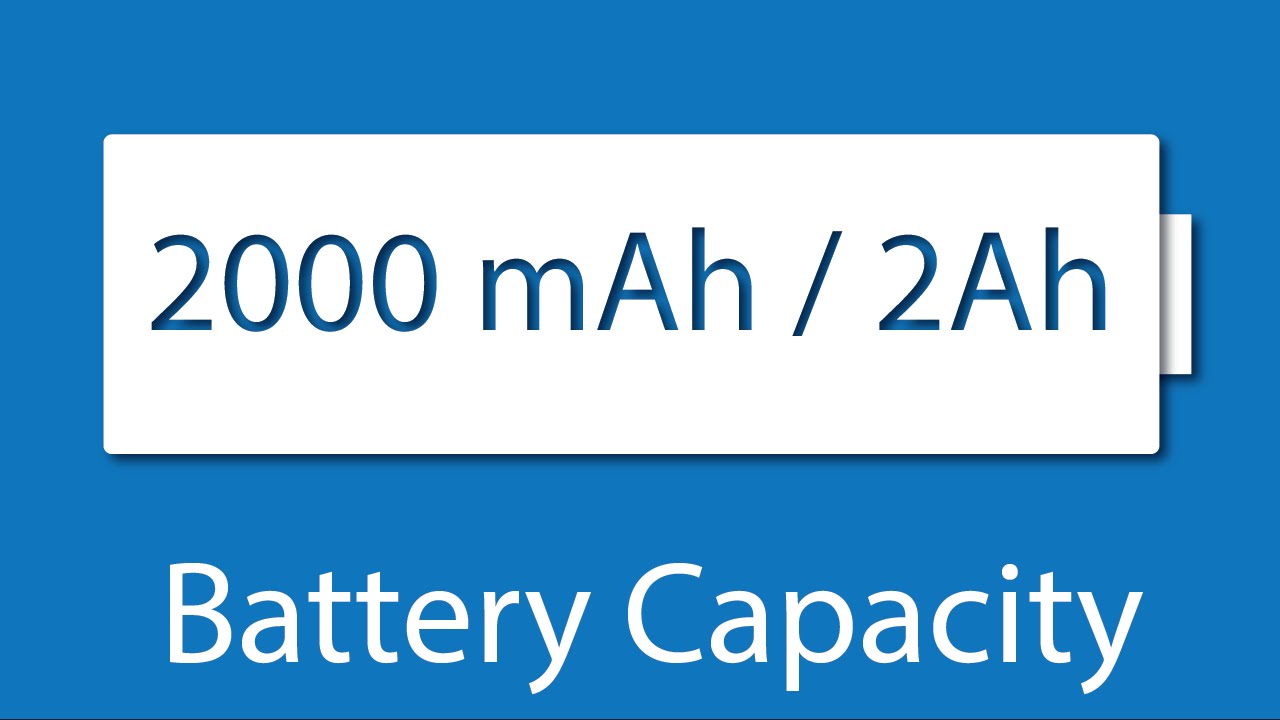
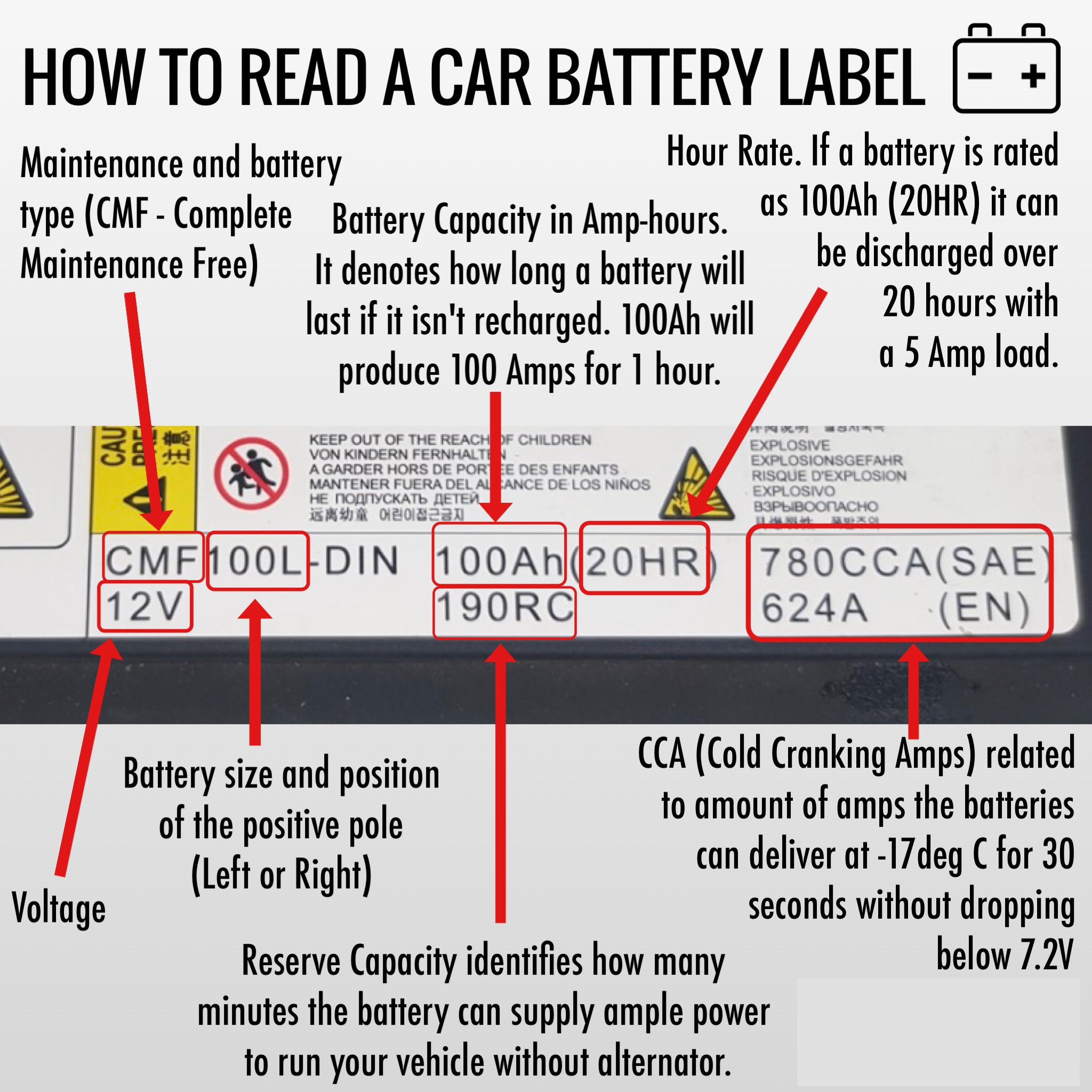
This is the closest cousin to mAh. An Amp-hour (Ah) tells you how much electrical charge the battery can deliver at a specific current over a specific time. So, if a car battery is rated at 60 Ah, it means it can theoretically deliver 60 amps for one hour, or 30 amps for two hours, or 1 amp for 60 hours, and so on. It’s about endurance.
To put it in mAh terms: 1 Ah = 1000 mAh. So, a typical car battery of around 60 Ah would be a whopping 60,000 mAh! See? That's a lot of potential energy! Your phone would be positively green with envy. This 60 Ah is what keeps your radio playing, your lights on (for a bit), and runs all those smaller electrical systems when the engine isn't running.
2. CCA (Cold Cranking Amps): The Sprinter
This is perhaps the most important number for your car battery, especially if you live somewhere that gets frosty! CCA stands for Cold Cranking Amps. It tells you how much current (amps) the battery can deliver for 30 seconds at 0°F (-18°C) while maintaining a minimum voltage. Basically, it's a measure of the battery's ability to give a huge, quick burst of power to start your engine in cold weather.
Think of it like this: Ah is how much water is in your bucket (capacity). CCA is how fast you can dump that entire bucket over your head in one go (power delivery). When your engine is cold, the oil is thicker, and it takes a lot more oomph to get everything moving. That's where a high CCA rating really shines.
Most passenger car batteries have a CCA rating between 300 and 1000 amps. This is the difference between your car sputtering to life with a groan and roaring to go with confidence.
Why Should YOU Care About Ah and CCA? (Besides Not Being Stranded!)
Okay, so these numbers aren't just for battery nerds. They're actually super helpful for your everyday driving life:
-
Buying a New Battery: When it's time for a replacement (and it always is, eventually!), knowing your car's recommended Ah and CCA ensures you get the right battery. Too low, and you might find yourself needing a jump start on a chilly Monday morning, feeling that familiar phone-battery-dread, but worse! Too high? Usually not a problem, but unnecessary if your car doesn't demand it.
-
The Dreaded "Click, Click, No Start": If you hear that infamous "click, click, click" sound when you turn the key, it often means your battery has enough Ah to power the dashboard lights, but not enough CCA left to actually crank the engine. Understanding the difference helps you diagnose the problem faster.

WHAT IS MAH ??? EXPLAINED ( mAh to mAh battery ) - YouTube -
Using Portable Jump Starters: Ever seen those handy portable jump starters? They have their own Ah (or sometimes Wh - watt-hour) ratings. Understanding how much "juice" your car battery needs (in Ah or CCA terms) helps you pick a jump starter that's up to the task. You don't want a dinky little one trying to kickstart a big V8 engine!
-
Peace of Mind: Knowing your car has a healthy battery with the right specs is just one less thing to worry about. No one wants to be late for work or miss a fun weekend trip because their car decided to play dead in the driveway.
The Bottom Line
So, while your car battery doesn't typically advertise a multi-thousand mAh rating like your phone, it's packed with a phenomenal amount of power, measured in Amp-hours (Ah) for its endurance and, more critically, Cold Cranking Amps (CCA) for its starting muscle.
Next time you're thinking about your car's power source, remember: it's not about the sheer volume of little milliamp-hours, but about the right kind of power for the job. It's about that strong, confident burst that gets you on your way, no matter how cold it is outside. Keep those Ah and CCA numbers in mind, and you'll keep cruising happily along!