How Many Liters Are In A Kiloliter
Ever find yourself staring at a big container of something and wondering just how much is really in there? Maybe you're baking a giant cake, planning a massive garden irrigation system, or even just curious about the volume of your new hot tub. Understanding how different volume measurements relate to each other is super useful, and can even be a little fun! Today, we're diving into a common question: How many liters are in a kiloliter?
So, why is this information important? Let's break it down for different folks:
- For Beginners: Think of a liter as a large water bottle. Now imagine one thousand of those water bottles. That's a kiloliter! Knowing this basic conversion is crucial for understanding units of measurement in everyday life.
- For Families: Planning a pool party? You might need to calculate the pool's volume in liters. A kiloliter is a helpful unit for measuring larger quantities like that. Understanding this conversion can help you determine how much water, or even chemicals, you'll need.
- For Hobbyists (Gardeners, Brewers, etc.): Whether you're brewing beer in large batches or setting up a complex irrigation system, you'll likely encounter kiloliters. Accurately measuring and converting between liters and kiloliters is essential for consistent results and avoiding costly mistakes.
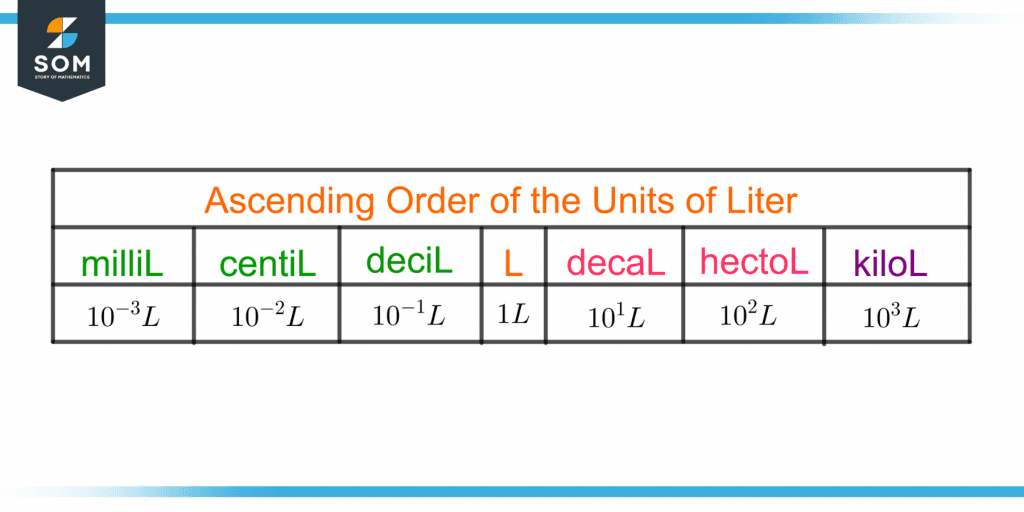
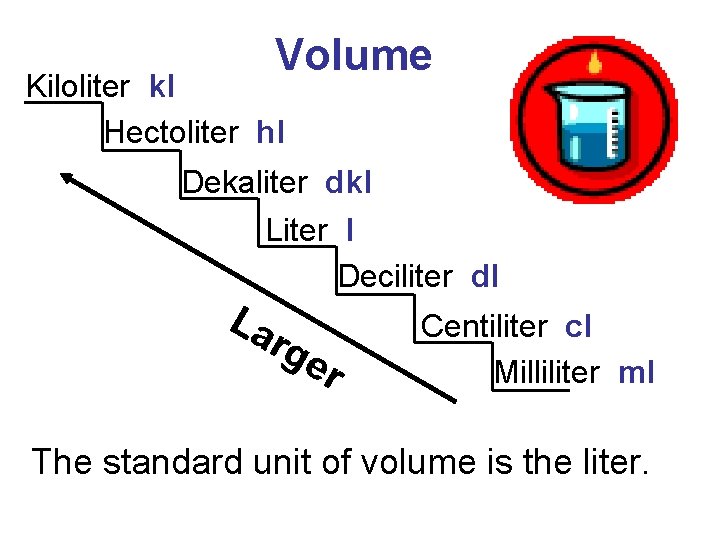
The answer, plain and simple, is this: There are 1000 liters in one kiloliter.
Must Read
The prefix "kilo" always means "one thousand." So, a kilometer is 1000 meters, a kilogram is 1000 grams, and, you guessed it, a kiloliter is 1000 liters!
Let's look at some examples:

- Imagine a rainwater tank that holds 3 kiloliters of water. That's the same as 3000 liters of water.
- A small swimming pool might contain 5 kiloliters of water, equivalent to 5000 liters.
- A large industrial container holding a cleaning solution might have a volume of 10 kiloliters (10,000 liters).
Here are a few practical tips to make this conversion even easier:
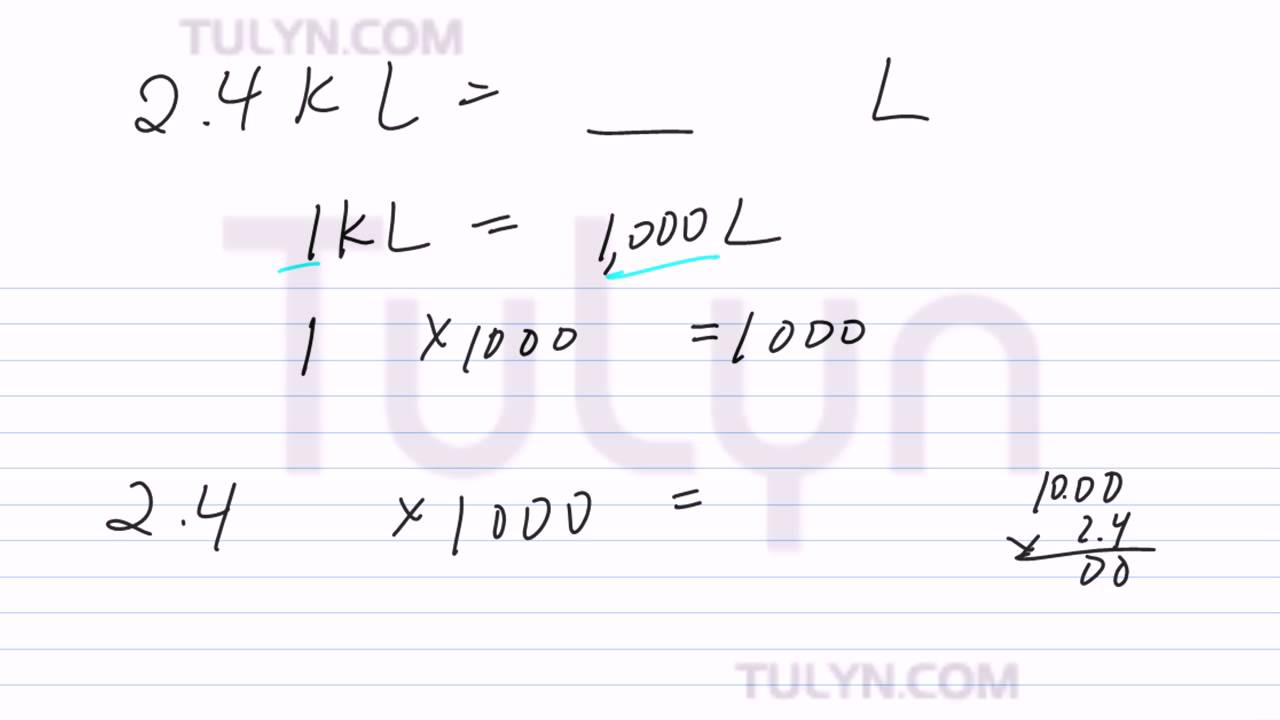
- Remember the "kilo" trick: Whenever you see "kilo," just think "multiply by 1000."
- Use a calculator: If you're dealing with more complicated numbers, don't hesitate to use a calculator. Simply multiply the number of kiloliters by 1000 to get the equivalent in liters. For instance, 2.5 kiloliters * 1000 = 2500 liters.
- Online Conversion Tools: There are numerous free online tools that can instantly convert between liters and kiloliters. Just type "liter to kiloliter converter" into your favorite search engine.
Understanding the relationship between liters and kiloliters can be incredibly helpful in various situations. It's all about grasping that simple "kilo" prefix. With this knowledge, you'll be able to confidently tackle volume calculations, impress your friends with your metric system savvy, and maybe even save yourself from a measurement mishap or two. So, go forth and conquer those kiloliters with your newfound understanding!