How Many Kw Does A Pool Pump Use
There’s nothing quite like the refreshing embrace of a cool swimming pool on a scorching summer day. It's not just a body of water; it’s a backyard escape, a laughter-filled family hub, and a serene spot for a morning swim. Whether you're perfecting your freestyle, splashing with the kids, or simply floating lazily, a pool brings a unique kind of joy and relaxation right to your doorstep.
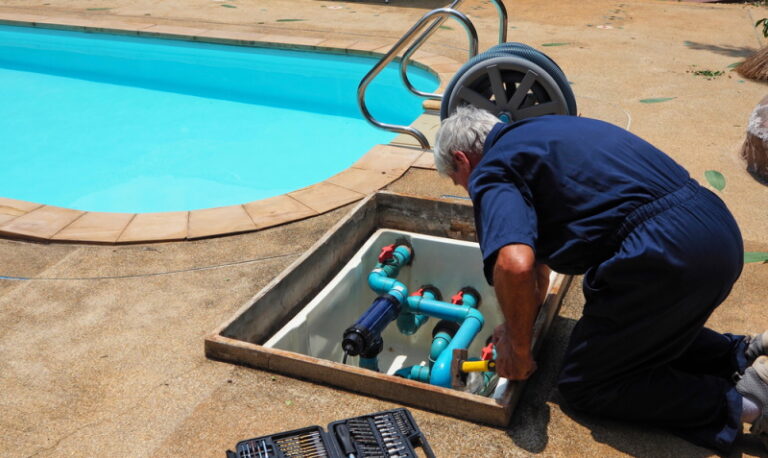
But behind every crystal-clear, inviting pool lies an unsung hero working tirelessly: the pool pump. This vital piece of equipment isn't just a fancy extra; it's the heart of your pool's circulatory system. Its primary purpose? To keep the water moving, ensuring it passes through your filter, removing dirt, debris, and microscopic nasties. Without a functioning pump, your sparkling oasis would quickly turn into a stagnant, uninviting swamp, a breeding ground for algae and bacteria. So, while you're enjoying a pristine swim, remember it’s the pump that’s doing the heavy lifting, maintaining the hygiene and beauty of your watery haven.
This brings us to the question that often bubbles to the surface for pool owners: "How many kW does a pool pump use?" Understanding this helps you manage your energy consumption and, ultimately, your electricity bill. A kilowatt (kW) is simply a unit of power, representing how much energy your pump is drawing at any given moment. For residential pools, the power consumption can vary significantly based on several factors, including the pump's horsepower (HP), its age, and whether it’s a single-speed, dual-speed, or variable-speed model.
Must Read
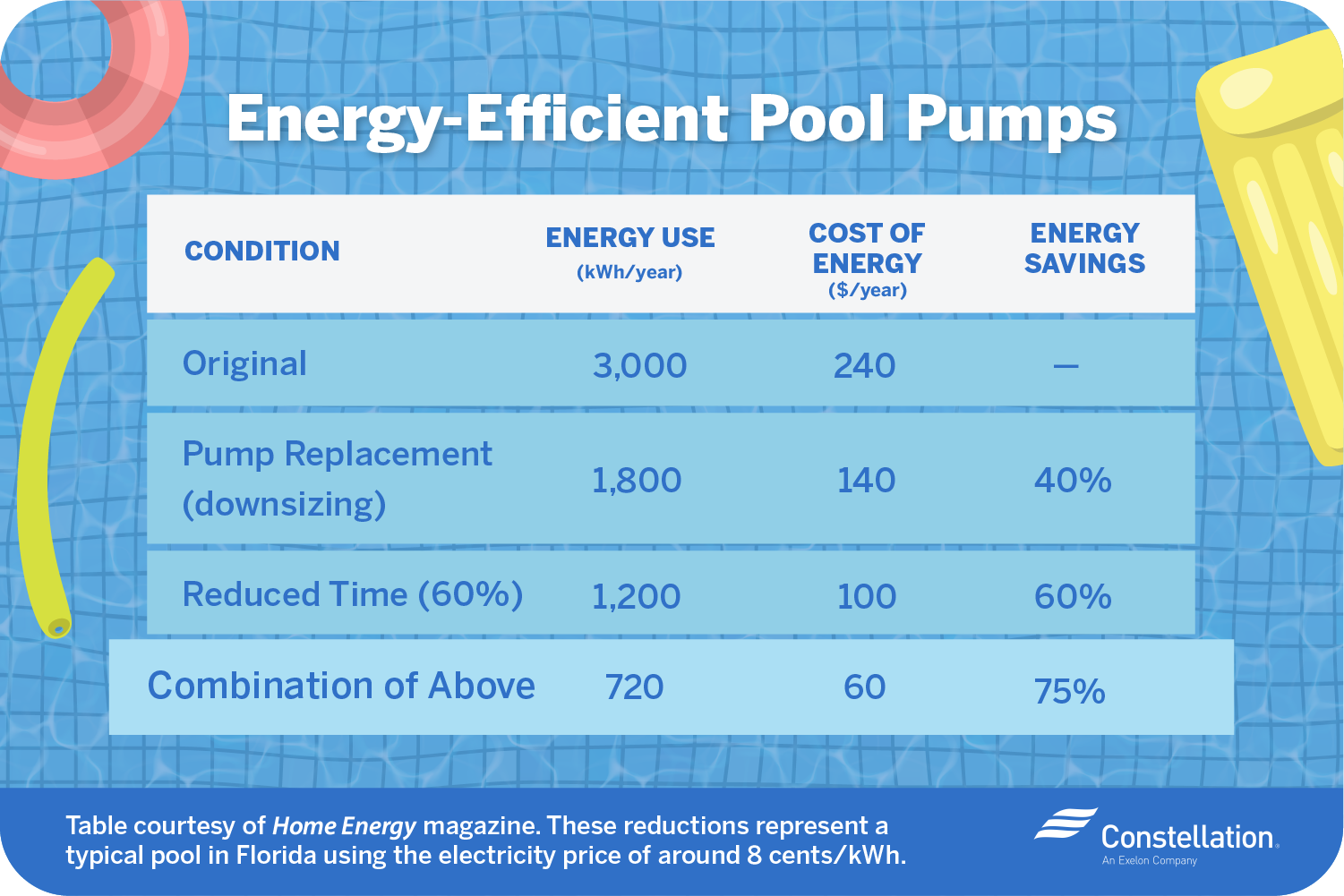
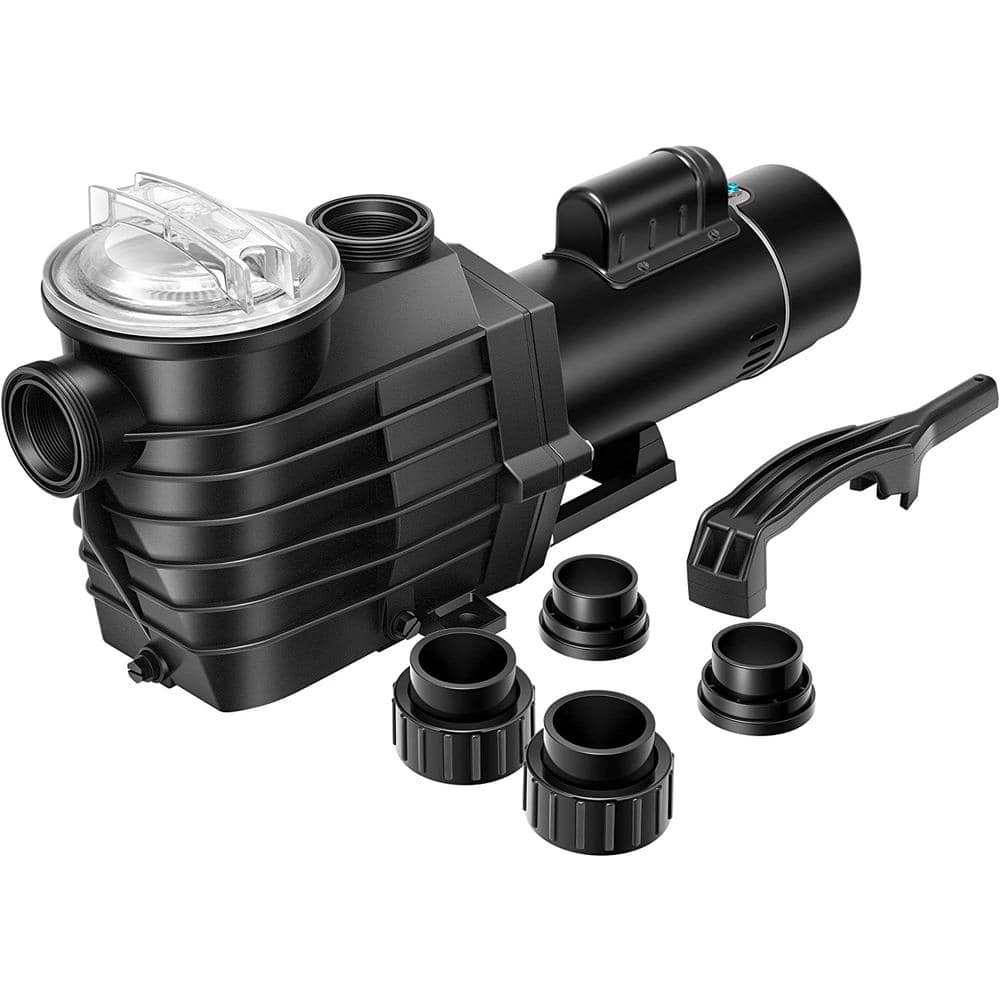
Let's talk numbers. A typical single-speed pool pump, often found in older installations, might draw anywhere from 0.75 kW to 2.5 kW while running. These pumps run at one constant, powerful speed whenever they're on, which can be quite energy-intensive, especially if you're running it for 8-12 hours a day. For instance, a 1.5 HP single-speed pump could easily pull around 1.5-2 kW. The game-changer in recent years has been the advent of variable-speed pumps. These intelligent devices can operate at a wide range of speeds, allowing them to perform the necessary filtration at much lower, more energy-efficient settings.
So, how can you enjoy your pool more effectively while also being kind to your wallet and the planet? Here are some practical tips:
- Embrace Variable-Speed Pumps: If you have an older single-speed pump, upgrading to a variable-speed model is often the single best investment you can make. They might cost more upfront, but by running longer at lower speeds, they can save you hundreds, even thousands, of dollars in electricity over their lifespan. Pumping water at half the speed uses only one-eighth of the energy!
- Optimize Run Time: Don't just run your pump 24/7. Most pools only need their water filtered for 8-12 hours a day, and often less with a variable-speed pump. Adjust your timer based on pool usage, bather load, and the clarity of your water. You can often run it less during cooler months.
- Keep Your Filter Clean: A dirty filter forces your pump to work harder, consuming more energy. Regularly backwash or clean your cartridge filter to maintain optimal flow and reduce strain on the pump.
- Cover Your Pool: A pool cover not only keeps out debris (reducing filtration needs) but also minimizes evaporation and heat loss, which can save on heating costs too.
- Size It Right: Ensure your pump is correctly sized for your pool. An oversized pump will unnecessarily consume more power.
By understanding how your pool pump works and applying these smart strategies, you can continue to enjoy the immense pleasure of your backyard oasis without constantly fretting over its energy footprint. Dive in!