
How Many Kilowatts Will A Solar Panel Produce
So, you're thinking about solar panels? Awesome! Getting energy from the sun sounds pretty futuristic, right? But let's get real about what you can expect.
The Great Kilowatt Question
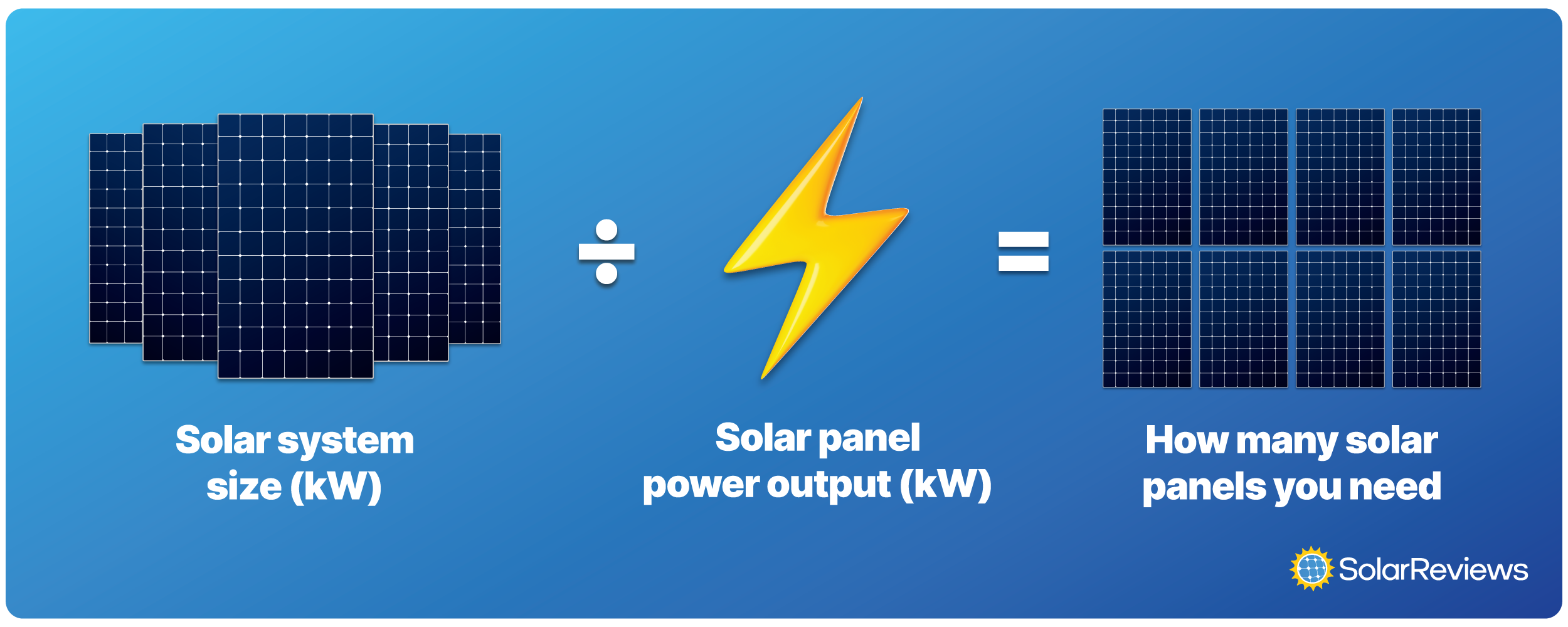
Everyone wants to know the magic number: How many kilowatts will a solar panel actually produce? It's a bit like asking how long a piece of string is.
The Panel's Paper Promise
You'll see a number plastered on the panel: its wattage. Let's say it's a 400-watt panel. Sounds impressive, doesn't it?
Must Read
Think of it like this: that 400 watts is the ideal output. It's like saying your car can go 150 mph. Sure, maybe on a racetrack... with a professional driver.
In the real world, things are different. That perfect number is a laboratory dream.
The Reality Check: Sun, Shade, and Everything in Between
The sun isn't always shining its brightest. Clouds happen, trees cast shadows, and sometimes, your panels just get dusty.
These factors impact your panel's performance. It’s the equivalent of your car facing rush hour traffic and a headwind.
Let's talk about shade. This is my unpopular opinion: Trees are great! But not when they're freeloading off your solar investment.
Location, Location, Location!
Where you live matters a lot. Arizona gets way more sunshine than, say, Seattle. No offense, Seattle, but you're famous for your coffee and your gray skies.
Your roof's orientation also plays a role. South-facing roofs usually get the most sun. East and west can still work, but north? Fuggedaboutit.

Think of it like trying to grow tomatoes. You wouldn't plant them in the basement, would you?
The "Derating Factor": A Secret (Not Really)
Here's a little secret: the "derating factor." It accounts for all those real-world losses.
It's usually around 75-80%. So, that 400-watt panel might only produce 300-320 watts in optimal conditions.
Don't shoot the messenger! I'm just giving you the honest truth.
So, How Many Kilowatts Really?
Okay, let's get to the numbers. A typical solar panel might produce around 1.2 to 1.8 kilowatt-hours (kWh) per day. This is a very general number.
This depends on panel size, sun hours, and all those other factors. Remember, your mileage may vary.
Let's do some simple math. You have 10 panels. Each panel is 400 watts. Optimistically, you might get 15 kWh a day.
.png)
The Inverter: The Unsung Hero
Don't forget about the inverter! This device converts DC electricity from your panels into AC electricity that your house can use.
Inverters also have efficiency ratings. They usually lose a small percentage of energy during conversion.
It’s like having a translator who isn’t perfectly fluent. Some nuance is lost in translation.
The Annual Production Picture
Looking at annual production is more helpful than daily output. A good estimate is to multiply the panel's wattage by the sun hours in your area.
Then, apply that derating factor. Now you have a good estimate for the whole year.
For example, a 400-watt panel in an area with 5 sun hours, derated to 80%, would produce about 584 kWh per year.
Beyond the Numbers: Why Solar is Still Great
Even with all these caveats, solar power is still awesome. It's clean energy that reduces your carbon footprint.
It can also save you money on your electricity bill. Plus, it increases your home's value!
And let's be honest, it's just plain cool to generate your own power from the sun.
Things That Impact Power Generation
Dust and grime can build up on panels. Regular cleaning can help maintain optimal performance. Think of it as giving your panels a spa day.
Snow can also be an issue. Luckily, most panels are angled so snow slides off. If not, grab a long-handled brush!
Panel degradation is also a factor. Over time, solar panels will gradually produce less power. This degradation is typically minimal, around 0.5% per year.
Talk to the Pros
The best way to get an accurate estimate is to talk to a solar installer. They can assess your specific situation and provide a custom quote.
Get multiple quotes and compare your options. Don't just go with the first company you find.
Think of it like buying a car. You wouldn't buy the first one you see, would you?

My Unpopular Opinion: Embrace Imperfection
Here's my last, and perhaps most unpopular, opinion: Don't obsess over getting the absolute maximum kilowatt production.
Aim for good performance, but understand that perfection is impossible. The sun is a fickle friend.
Enjoy the benefits of clean energy and lower bills. And maybe plant a few trees (strategically, of course!).
Solar panels, while awesome, aren't magic. Expecting them to work as described in perfect lab condition is unrealistic.
Even if you end up with slightly lower output than you hoped for, you're still doing something great for the environment and your wallet.
So, go ahead and soak up the sun! Just don't expect it to be a completely flawless relationship.
So, you still want to learn how many kilowatts a solar panel produce?
Let’s re-cap.
Ideal lab condition rarely happen in real life. Dust, snow, shade or location could influence performance. Professional advice is always the best way to go.