How Many Kilowatts Does A Solar Panel Generate
Thinking about soaking up the sun's energy and turning it into power for your home? You're not alone! Solar power is booming, and for good reason. It's a clean, renewable energy source that can save you money and help the environment. But before you jump on the solar bandwagon, you probably have a burning question: How many kilowatts does a solar panel actually generate?
Understanding the power output of a solar panel is key to determining how many you'll need to power your life. The purpose of solar panels is to convert sunlight into electricity, which can then be used to power your home appliances, charge your electric vehicle, or even send excess energy back to the grid (and get paid for it!). The benefits are numerous: lower electricity bills, reduced carbon footprint, and increased energy independence. Sounds pretty great, right?
So, let's get down to brass tacks. You'll rarely see a solar panel advertised as generating "kilowatts." Instead, they're usually rated in watts (W). A kilowatt (kW) is simply 1000 watts. Most residential solar panels these days fall in the range of 300 to 400 watts each. That's a good starting point, but it's important to remember that this is under ideal conditions – think bright, direct sunlight, cool temperatures, and perfect panel orientation.
Must Read
In reality, the actual power output will vary depending on several factors. These include:
- Sunlight intensity: Obviously, a sunnier day means more power. Clouds and shade significantly reduce output.
- Panel angle and orientation: Panels angled correctly towards the sun (usually south-facing in the northern hemisphere) will generate more power.
- Temperature: Surprisingly, solar panels perform better in cooler temperatures. High heat can actually decrease efficiency.
- Panel age and condition: Over time, solar panels can degrade slightly, reducing their output.
- Shading: Even a small amount of shade can drastically reduce the power generated by an entire string of panels.
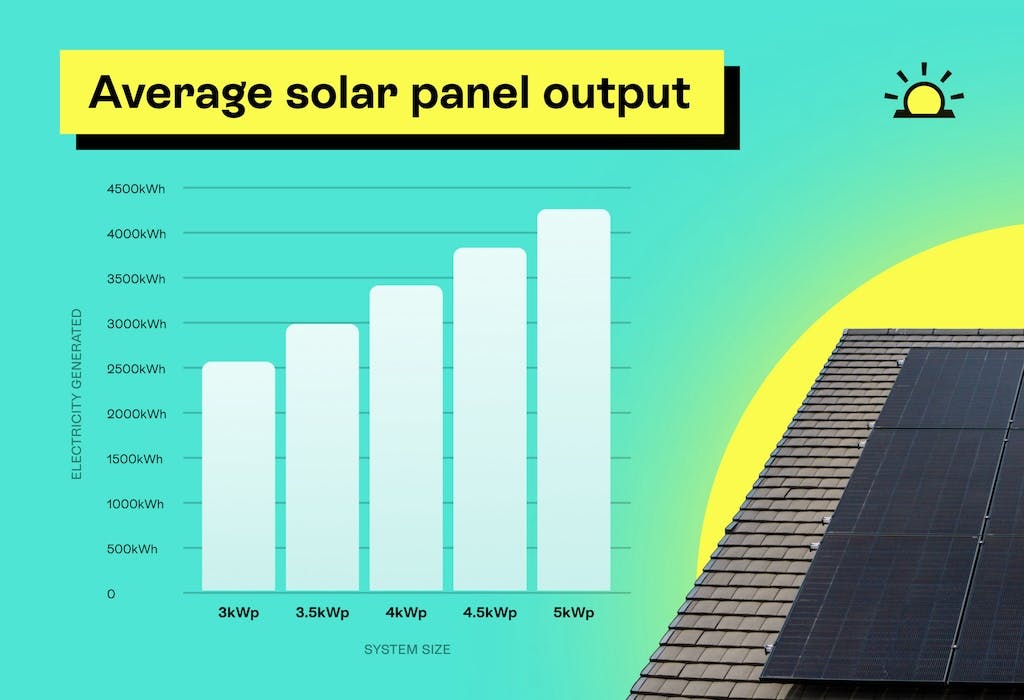
So, how does this translate to kilowatts? A single 350-watt panel operating at its peak might generate 0.35 kW. However, considering all the real-world factors, the average power output throughout the day will be lower. A good rule of thumb is to estimate that a 350-watt panel might generate around 1-1.5 kilowatt-hours (kWh) of electricity per day, on average. This is a measure of energy produced over time. This kWh number is much more important than the instantaneous kW number, as it's the total energy you can use.
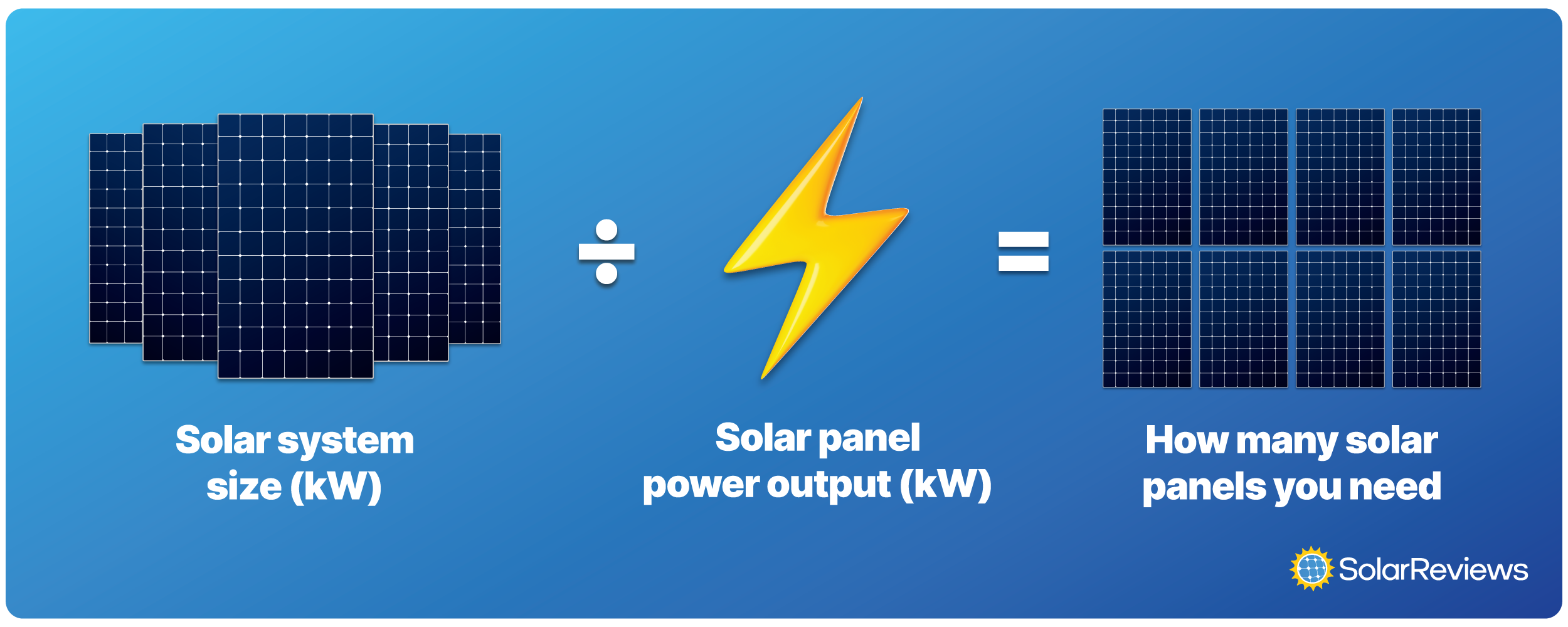
To figure out how many panels you need, you'll need to understand your energy consumption. Look at your electricity bills to see how many kWh you use per month or year. Then, talk to a solar installer. They can assess your roof, sunlight conditions, and energy needs to design a system that's just right for you. They'll help you determine how many kilowatts your entire system needs to generate, and therefore, how many panels you need to install.
Investing in solar is a big decision, but with a little understanding of how solar panels work and how much power they can generate, you can make an informed choice and start enjoying the benefits of clean, renewable energy!
.png)