How Many Kilowatt Hours Does An Electric Car Use
Ever wondered how much "juice" your electric car actually drinks? It's a question that's becoming increasingly relevant as electric vehicles (EVs) surge in popularity. Figuring out the kilowatt-hours (kWh) an EV uses isn't just for tech nerds; it's a practical bit of knowledge that can help you understand your running costs, compare different models, and even make informed decisions about renewable energy sources at home. Plus, it’s just plain interesting to peek under the hood – figuratively speaking – and see how these modern marvels operate!
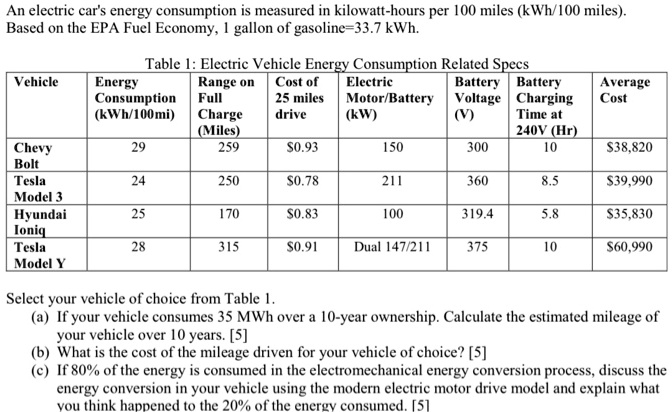
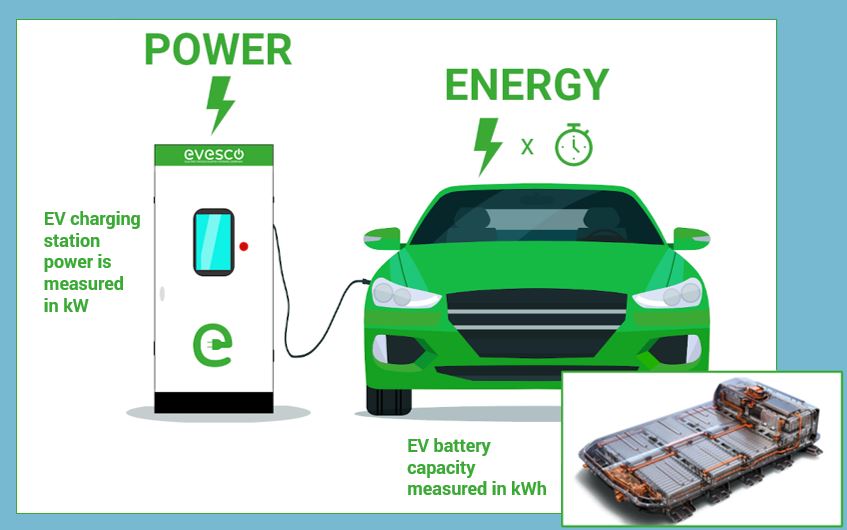
So, what exactly is a kilowatt-hour? Think of it as a unit of energy. Imagine you're running a 1,000-watt appliance (like a powerful hairdryer) for one hour. That uses one kilowatt-hour. When it comes to EVs, kWh measures the amount of electricity your car consumes over a certain distance, typically expressed as kWh per 100 miles (or kilometers). This figure directly impacts your running costs and the overall efficiency of your electric ride.
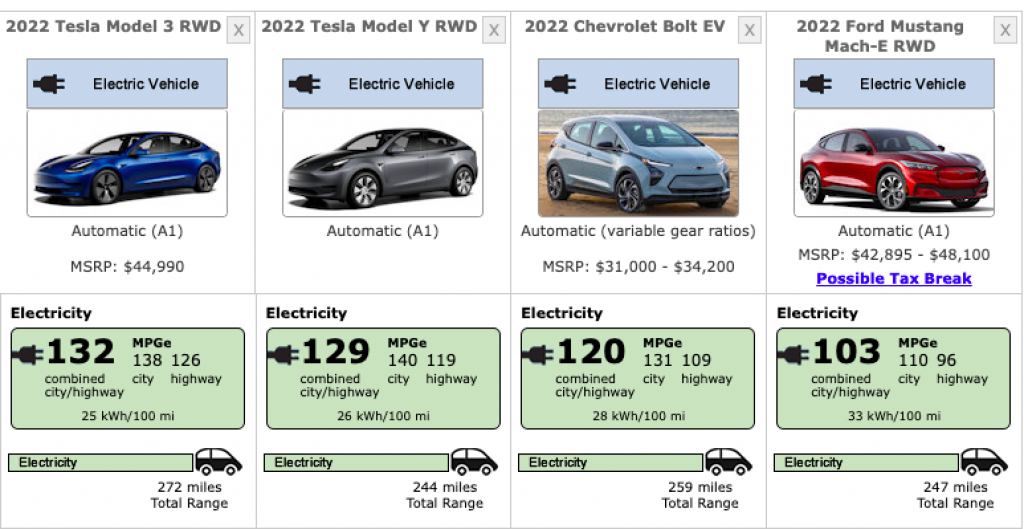
Understanding kWh usage has tons of benefits. Firstly, it allows you to accurately estimate your charging costs. By knowing your electricity rate (usually shown on your bill), you can calculate how much it costs to fully charge your EV or drive a certain distance. Secondly, comparing the kWh/100 miles figure of different EVs is a great way to assess their efficiency. A lower number means the car uses less energy to travel the same distance, making it more economical. Finally, understanding your energy consumption can encourage you to adopt more efficient driving habits, like avoiding rapid acceleration and maintaining a steady speed.
Must Read
Let's look at some real-world examples. In education, teachers can use EV energy consumption as a practical example of physics principles, like energy transfer and efficiency. Students can calculate the potential savings of switching to an EV and explore the environmental impact. In daily life, consider planning a road trip. Knowing your EV’s kWh consumption and battery capacity allows you to realistically map out charging stops along the way, preventing range anxiety. Also, If you're considering installing solar panels at home, understanding your EV’s energy needs will help you determine the optimal size of your solar array to offset your driving costs.
Want to explore this further? There are simple ways to do so! Start by checking the manufacturer's website for the kWh/100 miles figure of your EV (or one you're interested in). Many EVs also display real-time energy consumption data on their dashboards, allowing you to see how your driving style affects your efficiency. Download a charging app; these apps often track your energy usage and provide detailed statistics. Finally, experiment with different driving modes (eco, sport, etc.) and see how they impact your kWh consumption. With a little curiosity and a few simple tools, you can become an EV energy expert in no time!