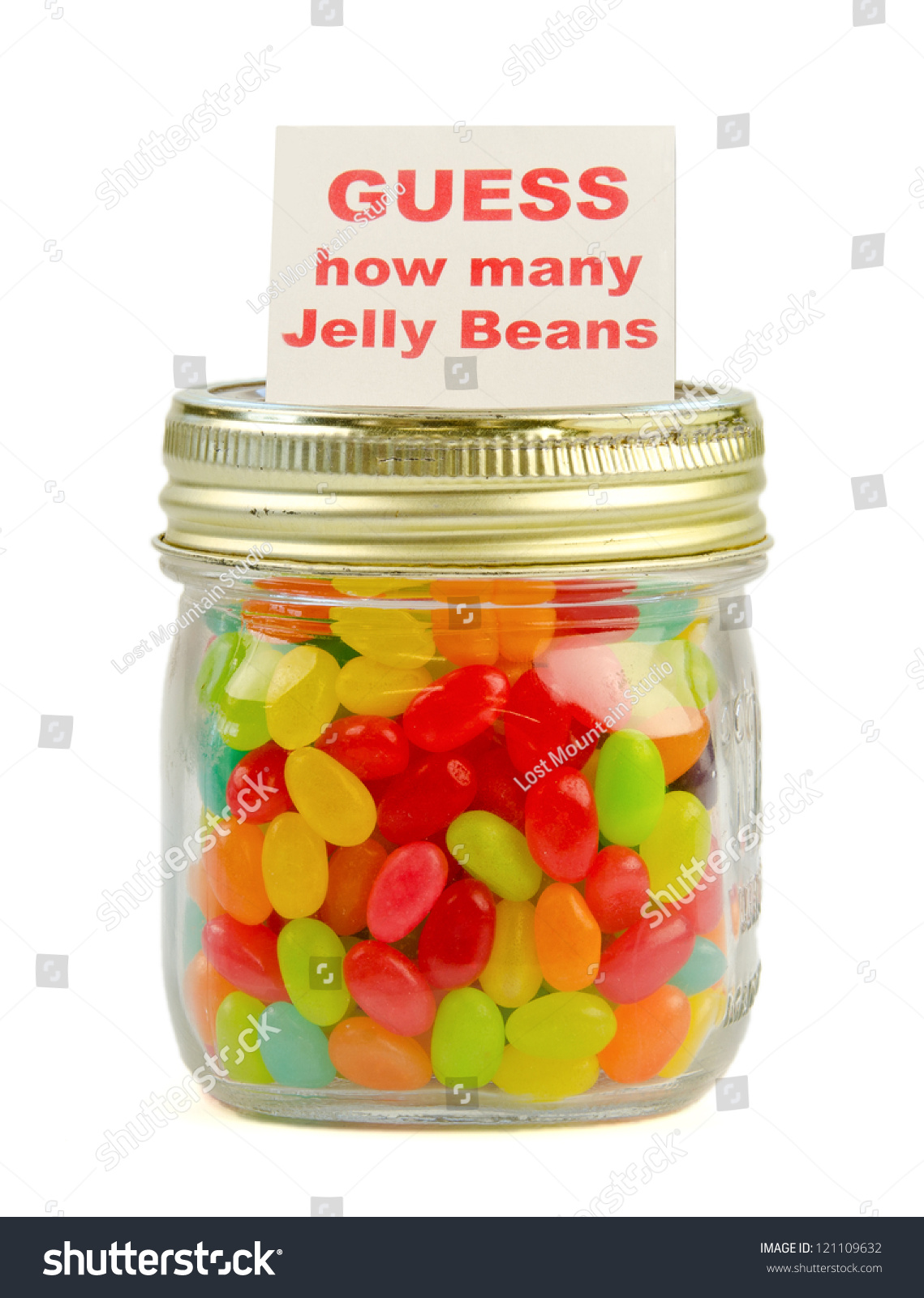
How Many Jelly Beans Can Fit In A Mason Jar
The simple act of guessing "How many jelly beans are in the jar?" is more than just a carnival game. It's a delightful exercise in estimation, visualization, and even a little bit of strategic thinking. From office contests to party games, this classic activity enjoys enduring popularity. But beyond the casual fun, it offers surprisingly valuable lessons for artists, hobbyists, and anyone looking to sharpen their observation skills.
For artists, engaging with this challenge can hone your sense of volume and proportion. Consider it a miniature sculpting exercise in reverse. Instead of building a shape, you're mentally deconstructing one. Visualizing how the jelly beans fill the space, noting the gaps and layers, trains your spatial reasoning. This is especially beneficial for sculptors and 3D artists who regularly manipulate volume in their work. Even painters can benefit, improving their ability to represent depth and dimension on a flat surface.
Hobbyists, particularly those in fields like baking and gardening, can also leverage this skill. Imagine estimating the number of sprinkles needed to cover a cake perfectly or calculating how many seeds to sow in a specific plot. These are all variations on the same theme. Furthermore, engaging with estimation games like this cultivates a sense of measurement intuition, allowing you to make quick, informed decisions without always relying on precise instruments. Even crafters who work with beads or buttons can benefit from improved visual estimation skills.
Must Read
The variations are endless! You can adapt the classic jelly bean game to fit any theme. For a Christmas party, use candy canes or ornaments. For a science-themed event, fill the jar with marbles or even ping pong balls. You could even create a series of jars, each filled with different items, and have participants rank them in order of quantity. The possibilities are limited only by your imagination.

Want to try this at home? Here are a few tips: Firstly, observe carefully. Note the shape of the jar and the size of the jelly beans. Secondly, estimate in layers. Try to visualize how many jelly beans fit on the bottom layer, then estimate how many layers it would take to fill the jar. Thirdly, consider the gaps. Remember that there will be spaces between the jelly beans, so adjust your estimate accordingly. Finally, don't be afraid to revise your guess. As you look more closely, you may notice details you missed before.
Ultimately, the joy of "How many jelly beans?" lies in the unexpected challenge it presents. It's a chance to engage your brain, test your intuition, and have a little fun along the way. Whether you're an artist seeking to refine your skills or simply looking for a playful activity, this simple game offers a surprising amount of intellectual and creative stimulation. And who knows, you might even win a prize! But more importantly, you'll have sharpened your estimation skills and perhaps gained a new appreciation for the power of observation. So go ahead, grab a jar, fill it with goodies, and see how close you can get. You might be surprised at what you discover!