
How Many Homes Will 1 Mw Power
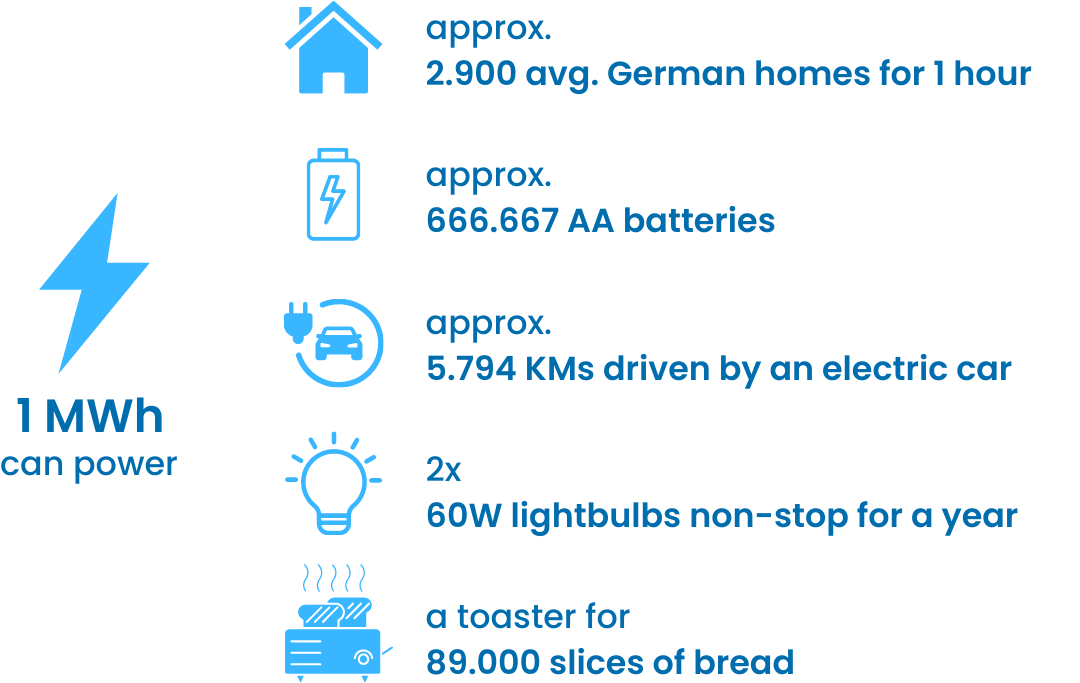
Hey there, fellow energy enthusiast! Or maybe just someone who’s staring at their electricity bill wondering what all those confusing letters and numbers mean. Either way, welcome! Today, we’re tackling a super cool question that often pops up in conversations about power plants, solar farms, and wind turbines: “How many homes will 1 Megawatt (MW) power?”
Sounds like a straightforward question, right? Like, "how many cookies in a jar?" But just like that jar of cookies, the answer isn't a simple one-size-fits-all. It's more like, "depends on the size of the cookies, the size of the jar, and whether your roommate had a late-night snack!"
First Off, What's a Megawatt Anyway?
Before we dive into homes, let's quickly demystify the MW. Think of "Mega" as "super big" or "a million." So, a Megawatt is one million watts. Your average lightbulb might be 60 watts. A microwave could be 1000 watts, which is 1 kilowatt (kW). So, 1 MW is a whopping 1,000 kilowatts!
Must Read
It's a measure of power, not energy. Think of power as the rate at which electricity is generated or consumed. Like how fast a car can go, not how far it travels. So, when we talk about 1 MW powering homes, we're talking about the continuous rate of electricity supply.
The Great "It Depends" Factor
Now, for the fun part: why isn't there a single, neat number? Well, because homes, and the people living in them, are wonderfully diverse! Here are the big players that make the answer vary wildy:
1. Location, Location, Location!
Picture this: a cozy cabin in chilly Alaska versus a breezy beach house in sunny Florida. The Alaskan cabin probably needs a lot of power for heating during winter. The Florida home? Probably cranking the AC during summer. These very different climates mean very different average power demands. No actual igloos were harmed in the making of this example.
2. Time of Day and Year
Ever notice how your electricity bill spikes in summer or winter? That's because of air conditioning and heating. Most homes use more electricity during certain peak hours (like dinner time, when everyone's cooking, watching TV, and charging gadgets) and seasons. So, 1 MW might power more homes at 3 AM in spring than at 5 PM on a sweltering August day!
3. Home Efficiency and Size
Is it a brand-new, super-insulated, energy-efficient smart home? Or a charming (but drafty!) old mansion with original single-pane windows? The former will sip power like a delicate hummingbird, while the latter might guzzle it like a thirsty camel. Size matters too, of course. More rooms, more lights, more potential gadgets!

4. Lifestyle Choices
This is where it gets personal! Do you have a personal server farm in your basement? Or are you a minimalist who thrives on candlelight and reading books? Do you leave lights on in empty rooms? Do you have an electric car you charge every night? All these little choices add up to a big difference in a home's average power consumption.
So, What's the "Average" Answer? (Finally!)
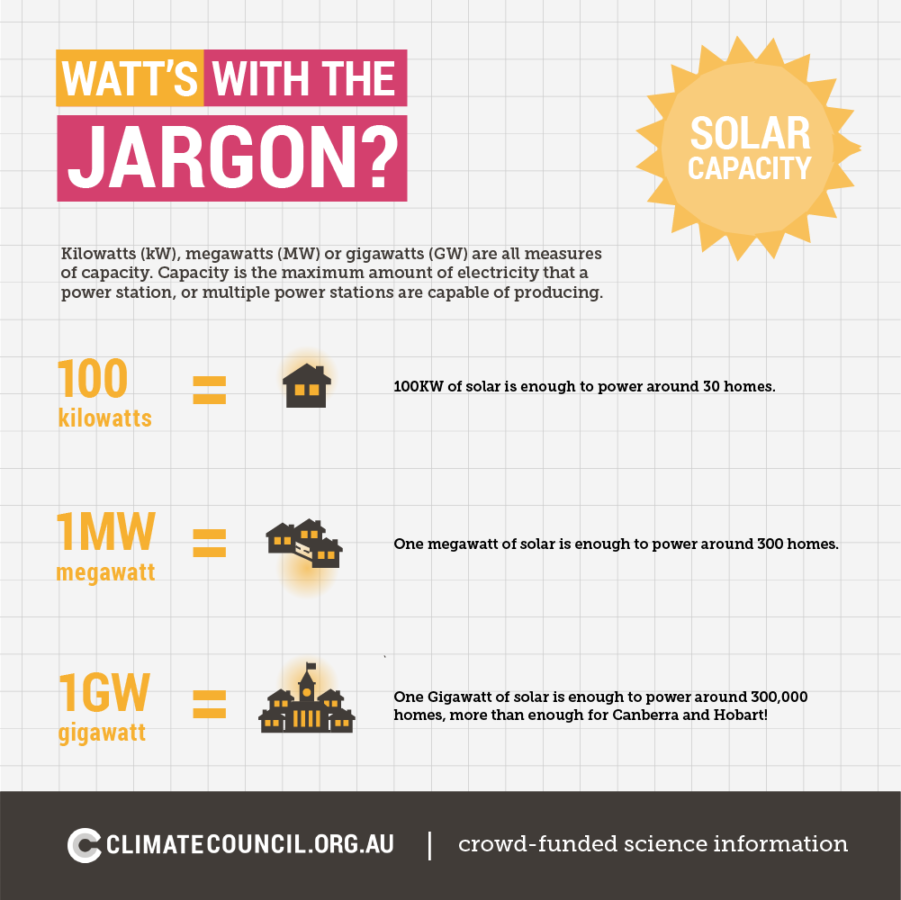
Okay, okay, I know you're eager for a number! Despite all those "it depends" factors, we can talk about averages. In the United States, a common rule of thumb often cited by utilities is that 1 Megawatt can power somewhere between 400 to 900 average homes at any given time.
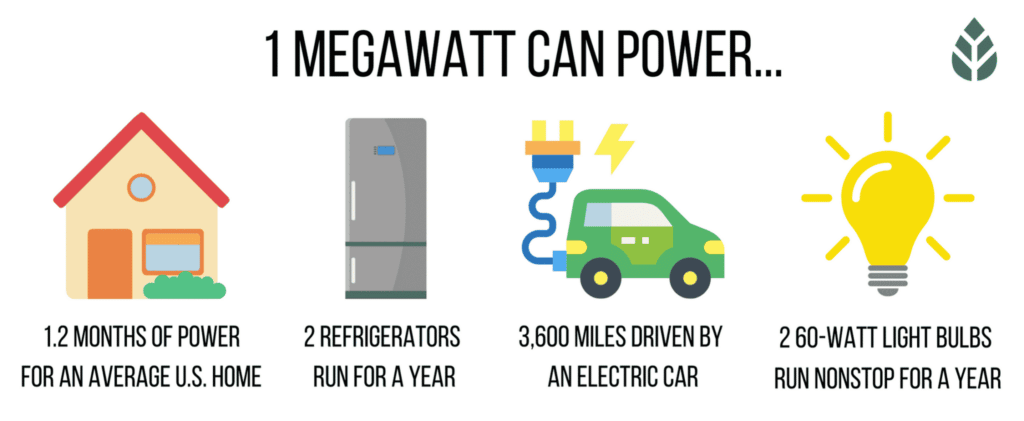
That's quite a range, right? But it gives you a ballpark figure. If we take a middle-of-the-road estimate, let's say around 700 average homes per MW. This number tries to account for all those varying factors and give us a general sense of scale.
Think about it: if your average home uses, say, 1.2 to 1.5 kilowatts (kW) of power on average at any moment, and 1 MW is 1,000 kW, then a quick division (1000 / 1.5) gets you into that 600-800 home range. Don't worry, no pop quiz!
The Big Picture: Why This Matters
Understanding this isn't just a fun trivia fact (though it totally is!). It helps us appreciate the scale of energy generation. A single wind turbine can often produce 1-3 MW, meaning one of those giants can power hundreds, if not thousands, of homes! Solar farms with dozens of panels add up quickly too.

It also highlights the importance of energy efficiency. If every home became just a little more energy-efficient, that same 1 MW could stretch to power even more homes, reducing the need for new power plants and helping our planet breathe a little easier.
A Smiling Conclusion
So, the next time you hear about a new solar project or a powerful generator, you'll have a much better sense of just how much juice 1 Megawatt can provide. It's a significant amount of power, capable of lighting up entire neighborhoods!
Isn't it amazing how much energy goes into keeping our lives comfortable and connected? Every watt counts, and knowing how it all fits together can make us all a little more conscious and appreciative of the powerful magic flowing through our outlets. Keep shining bright, you magnificent energy explorer!