How Many Grams Are In 2 Teaspoons

Have you ever been happily baking a cake, following a recipe to the letter, only to pause and wonder, "Wait, how much is exactly in two teaspoons?" It's a surprisingly common question! While professional bakers might swear by precise measurements using scales, for many of us home cooks and curious learners, the teaspoon reigns supreme. Understanding the relationship between teaspoons and grams is more than just a kitchen skill; it's a gateway to understanding measurement, volume, and density - all fascinating concepts that pop up in various aspects of life.
So, what's the point of knowing how many grams are in two teaspoons? Well, first, it brings a level of consistency to your cooking and baking. Especially with ingredients like baking powder or spices, getting the amount just right can make a huge difference in the final result. Imagine your cookies turning out flat instead of fluffy, or your chili being overwhelmingly spicy! Knowing the approximate gram equivalent of a teaspoon helps avoid such culinary catastrophes. Second, it fosters a deeper understanding of scientific concepts. Measuring things in grams introduces you to the world of mass and density, providing a concrete example of how different substances can have different weights even if they occupy the same volume.
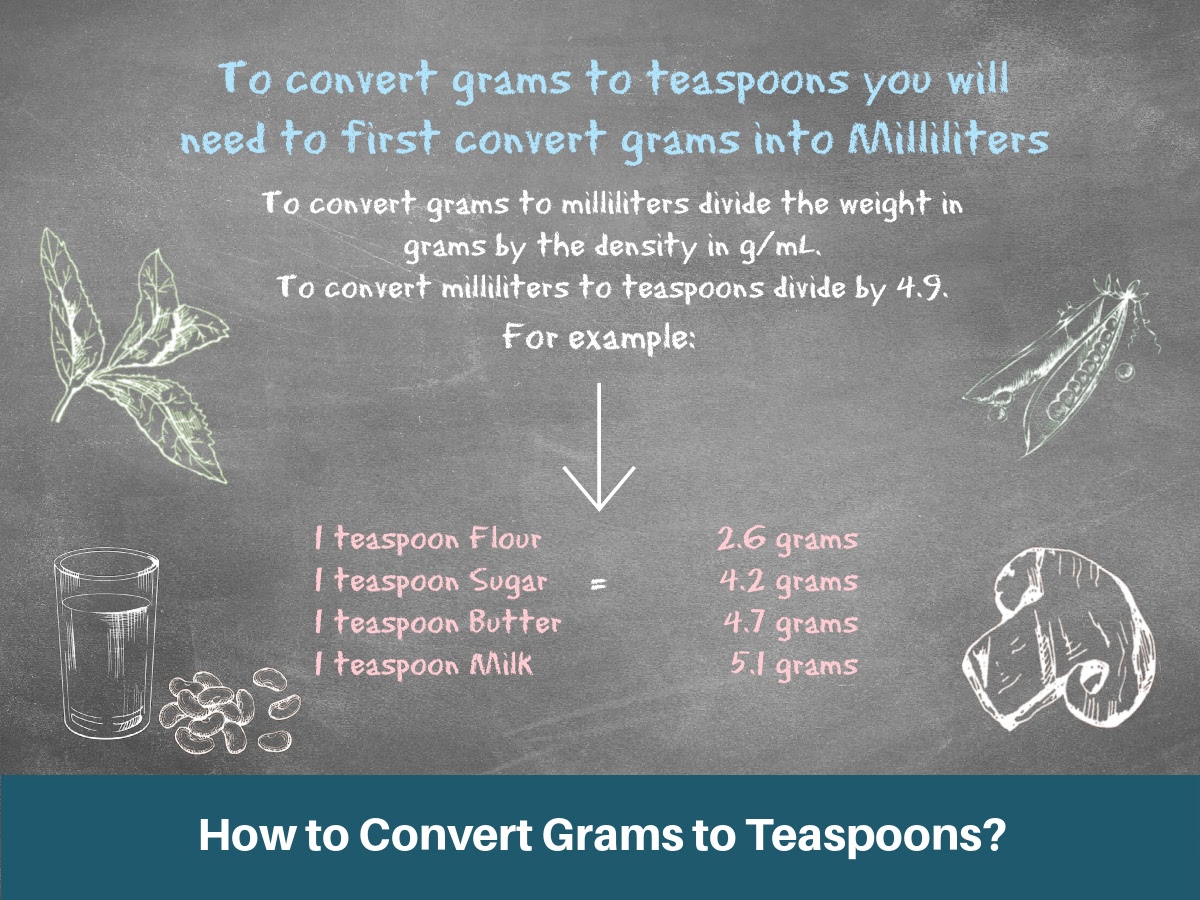
The tricky part is that there isn't a single, definitive answer! The number of grams in two teaspoons varies depending on the density of the substance being measured. For example, two teaspoons of table salt (sodium chloride) will weigh significantly more than two teaspoons of powdered sugar. This is because salt is denser. Generally, one teaspoon is considered to be approximately 5 milliliters (mL) in volume. But to convert that volume to grams, we need to consider the ingredient's density. As a very rough guideline, and this is important: always double-check specific ingredients, two teaspoons of granulated sugar is often said to be around 8 grams, while two teaspoons of salt can be around 10-12 grams.
Must Read
In education, this concept can be a fun and engaging way to introduce students to the metric system and the importance of units. Imagine a science experiment where students measure different powders (baking soda, flour, salt) using teaspoons and then weigh them. This helps them visually and experientially understand the relationship between volume and mass. In daily life, this knowledge can be useful beyond cooking. For instance, if you're trying to follow a supplement regimen that lists dosage in grams, knowing the approximate teaspoon equivalent can be helpful (though, again, always consult with a healthcare professional for accurate dosages).
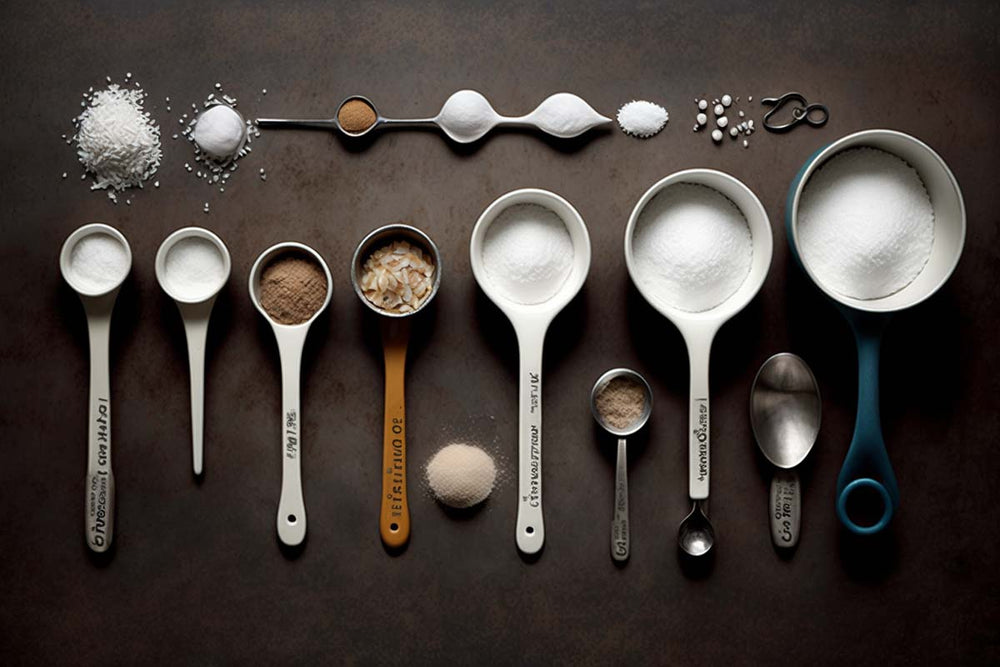
Here's a simple and practical tip to explore this concept further: gather a few common kitchen ingredients (sugar, salt, baking soda). Using a teaspoon, measure out two teaspoons of each ingredient. Then, using a kitchen scale (even an inexpensive one works!), weigh each sample in grams. Record your findings and compare the weights. You'll quickly see that the gram equivalent varies significantly based on the ingredient! The key takeaway is that while teaspoons are convenient for quick measurements, for precise results, especially in baking and cooking, using a kitchen scale and measuring in grams is the most reliable method. So, go ahead, experiment and discover the fascinating world of measurement! You might be surprised at what you learn.