How Many Fossil Fuel Power Plants In The Us
Ever flick on a light switch or charge your phone and wonder, "Hey, where does all this electricity actually come from?" It's a question many of us ponder, perhaps fleetingly, but understanding the answer is surprisingly fun and incredibly useful. We live in an age where energy is everywhere, and knowing the basics of our power grid, like how many fossil fuel power plants are operating in the US, isn't just for scientists anymore – it's for everyone! It connects us directly to big topics like climate change, economic stability, and even the future of our communities. Exploring this isn't about memorizing stats; it's about connecting the dots from your outlet back to its source, giving you a clearer picture of the world around you.
So, who benefits from digging into this? Pretty much everyone! For beginners, it's a fantastic entry point into understanding how our modern society functions. You'll grasp fundamental concepts about energy production and consumption, which are crucial for making informed decisions. Families can turn this into a really engaging learning experience. Imagine discussing energy sources at the dinner table, exploring maps of power plants, or even calculating your home's energy footprint. It’s a great way to introduce kids to environmental stewardship and critical thinking. And for the hobbyists – perhaps you're an amateur environmentalist, a data enthusiast, or just curious about local infrastructure – this topic offers a rich vein of information. You can track trends, delve into specific plant technologies, or even research the energy mix of your own state. It empowers you to understand and even influence energy policies.
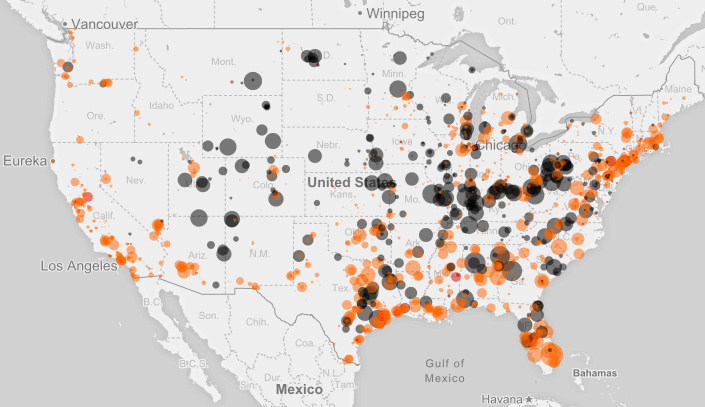
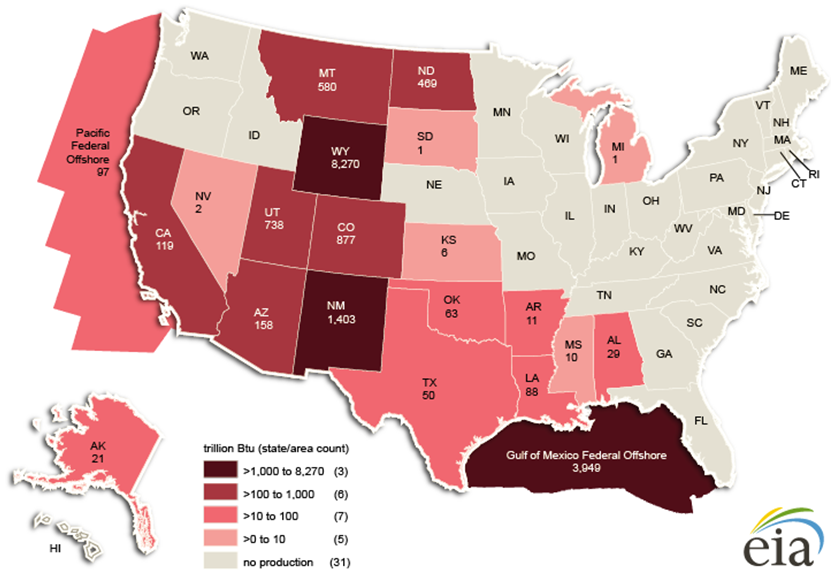
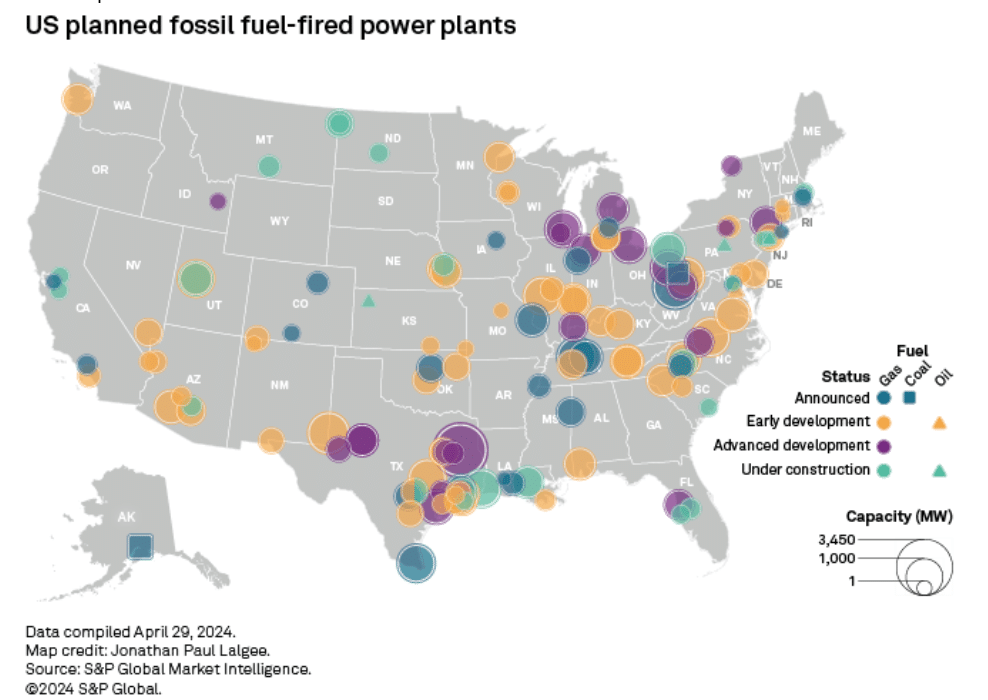
The "how many" isn't a simple, static number, which makes it even more interesting! The landscape of US power generation is constantly shifting. When we talk about fossil fuel plants, we're mainly looking at those burning natural gas, coal, and petroleum. The number of active plants fluctuates; some older, less efficient ones are retired, while new ones (often natural gas, due to lower emissions than coal, or even renewable facilities) come online. For example, the total number of utility-scale electric power plants in the US is in the thousands, but the portion of those specifically running on fossil fuels is generally around 2,500 to 3,000 major plants, depending on how you categorize smaller facilities and "peaker plants" that only operate during high demand. This number has been steadily decreasing for coal plants while natural gas plants have remained significant. You can see variations across states too; some states are heavily reliant on fossil fuels, while others have made significant strides towards renewables.
Must Read
Ready to become an energy detective? Getting started is easier than you think! A great first step is to visit the website of the US Energy Information Administration (EIA). This government agency is a treasure trove of data, charts, and reports on all things energy. Look for their "Electricity" section. You can find maps showing power plant locations, data tables breaking down generation by fuel type, and historical trends. Don't feel overwhelmed by the numbers; start with the overview reports. Another practical tip is to simply observe your own energy use. Which appliances consume the most power? Could small changes make a difference? Discussing these observations with friends or family can spark fascinating conversations and deepen your understanding. You might even find local advocacy groups working on energy issues in your area.
In conclusion, thinking about "how many fossil fuel power plants are in the US" is much more than just a dry statistic. It's a doorway into understanding the very heartbeat of our modern world. It's about empowering yourself with knowledge, fostering curiosity, and perhaps even inspiring you to think differently about your own energy footprint. This exploration truly adds value to being an informed citizen and helps us all appreciate the complex, ever-evolving world of energy that powers our daily lives. Enjoy the journey of discovery!