
How Many Fire Alarms Should A House Have
Ever wonder about the unsung heroes of your home? We're talking about those little white discs on your ceiling or wall. Yes, we mean fire alarms!
They might seem quiet most of the time. But these devices are truly tiny superheroes, always on alert. They stand guard over your cozy sanctuary, day and night.
Thinking about fire alarms might not sound like a thrilling adventure. Yet, diving into home fire safety can be surprisingly eye-opening. It's about protecting what matters most.
Must Read
So, let's explore a question many folks quietly ponder: How many fire alarms should a house really have? It's not just a random guess. There's a smart strategy behind it.
Imagine your home as a precious treasure chest. Fire alarms are like extra locks and alarms for that chest. They give you peace of mind.
Let's be honest, fire is a serious threat. It can spread incredibly fast. Every second truly counts when smoke starts to billow.
That's where your trusty fire alarm steps in. It's your earliest warning system. It's a loud shout telling you, "Hey, time to move!"
So, what's the magic number? Well, it's not always just one or two. It depends on your home's layout.
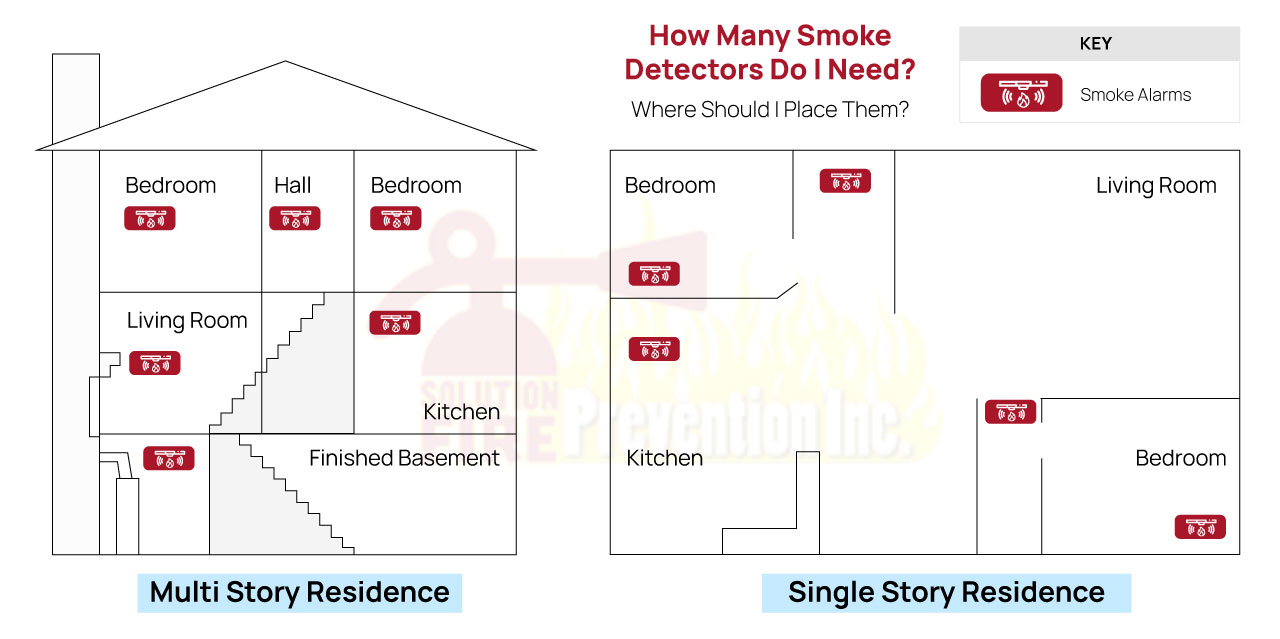
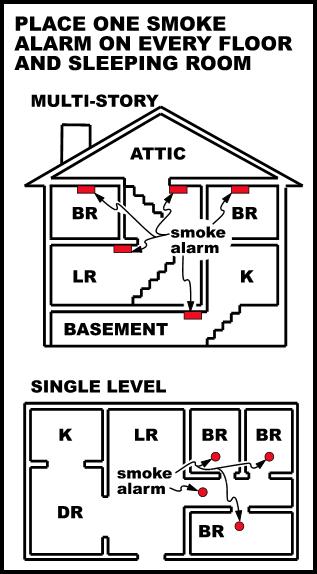
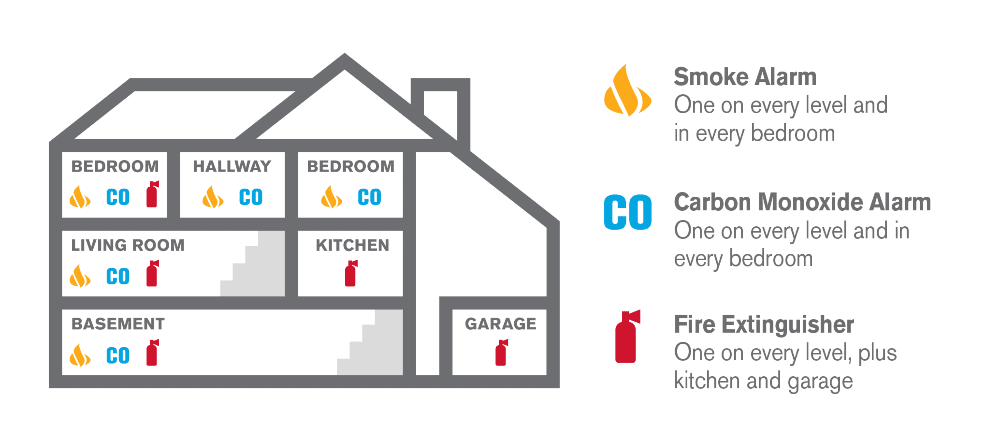
A great starting point is simple: you need at least one fire alarm on every single level of your home. This includes your basement, even if it's unfinished.
Think of it as covering all your bases. No floor should be left unprotected. Each level needs its own watchful guardian.
But wait, there's more to this safety puzzle. Beyond just "every level," consider where people sleep. This is crucial for early detection.
You should always have a fire alarm outside each sleeping area. This means in the hallway right near bedrooms. It's like a sentry guarding the slumber zone.
This placement ensures everyone hears the alarm, even with bedroom doors closed. The sound needs to penetrate those walls.
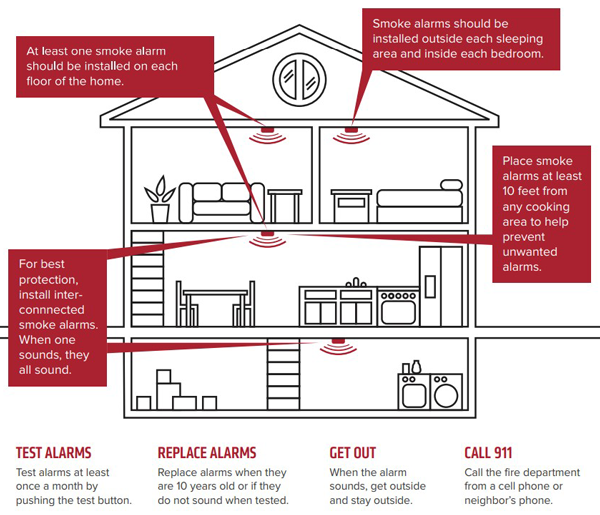
Now, for an even higher level of protection, think about putting an alarm inside every bedroom. Yes, that's right, one in each sleeping space.
Why go the extra mile? Because every family member deserves the earliest possible warning. This is especially true if someone sleeps soundly.
Imagine a scenario where a fire starts in a bedroom. An alarm right inside that room can save critical moments. It truly makes a difference.
What about the kitchen? Kitchens are often where fires start. But placing an alarm in the kitchen can lead to false alarms from cooking.
The best spot for a kitchen-area alarm is actually within ten feet of the kitchen entrance. This keeps it close enough to detect smoke but far enough from everyday cooking fumes.
It’s a clever little trick to get the benefit without the nuisance. Nobody likes a false alarm during dinner prep!
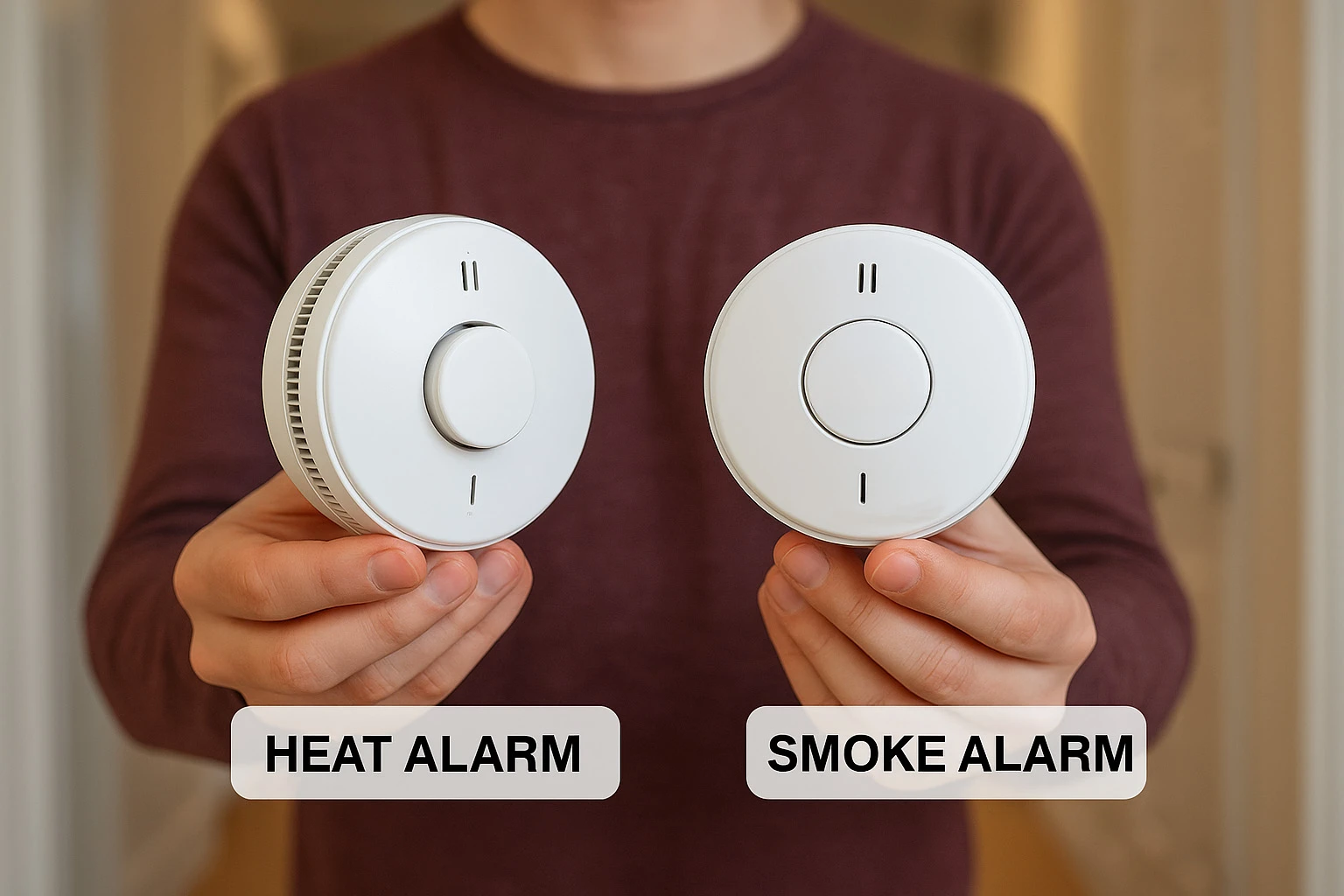
Are there different kinds of these tiny heroes? Absolutely! There are two main types of smoke alarms.
You have ionization smoke alarms, which are great at detecting fast, flaming fires. Think of paper burning quickly.
Then there are photoelectric smoke alarms. These are champions at spotting slow, smoldering fires. Imagine a mattress slowly burning.
Many experts now recommend having both types or, even better, using dual-sensor alarms. These combine both technologies into one unit.
Having a mix ensures your home is protected against all kinds of fire. It's like having two different pairs of eyes watching out.
But wait, there's another silent danger lurking in many homes: carbon monoxide (CO). This invisible, odorless gas is a killer.
Your regular smoke alarm won't detect CO. That's why carbon monoxide alarms are also incredibly important. They are the ultimate partners in safety.
Place CO alarms on every level, especially near sleeping areas. Also, put one near any fuel-burning appliances. These include furnaces, water heaters, and fireplaces.
Some clever devices even combine smoke and CO detection into one unit. These are called combination alarms. They are a super convenient way to double up on protection.
Choosing these combination devices can simplify your safety setup. It's fewer things to install and remember.
Now, let's talk about a real game-changer: interconnected alarms. This is where your fire safety truly levels up.
What does "interconnected" mean? It means if one alarm goes off, all the alarms in your house go off at the same time.
Imagine a fire starting in the basement. With interconnected alarms, the alarm in your upstairs bedroom will also sound loudly. You'll get an immediate, full-house alert.
This precious extra time can make all the difference for your family. It's a collective shout for safety.
It's like having your whole team communicating instantly. No one is left out of the loop.
Installation isn't rocket science, but there are a few golden rules. Always place alarms on the ceiling or high on a wall.
Keep them away from windows, doors, or air vents. These spots can interfere with smoke detection. Smoke needs to flow freely to the alarm.
Also, avoid placing them in corners or near obstacles. Read the instructions that come with your specific alarm. Every model might have slightly different recommendations.
Now, here’s a crucial point: installing alarms is only half the battle. You also need to maintain them. These little heroes need a bit of TLC!
First, test your alarms monthly. Simply push the "test" button on each unit. You should hear a loud, clear chirp or siren.
That sound tells you the battery and horn are working. It's a quick check that gives immense peace of mind.
Second, change the batteries at least once a year. A good trick is to do it when you change your clocks for daylight saving time. It's an easy reminder.
Many newer alarms come with 10-year sealed batteries. These don't need changing, but the entire unit needs replacement after 10 years.
Which brings us to the third point: replace your entire smoke alarm unit every 10 years. Even if it seems to be working, the sensors inside can degrade over time.
They won't be as effective at detecting smoke. Think of it like a car needing a tune-up or a fresh set of tires.
Also, give your alarms a gentle clean now and then. A quick vacuum with a soft brush attachment can remove dust and cobwebs. Dust can block the sensors.
Beyond the alarms themselves, having enough means you can then focus on the next big step. That step is having a fire escape plan.
Every home needs a clear plan. Everyone in the family should know at least two ways out of every room.
Practice these escape routes regularly. It’s not just a drill; it’s building muscle memory for a critical situation.
Also, establish a safe meeting place outside your home. It could be a specific tree, a neighbor's mailbox, or the end of the driveway.
This meeting place ensures everyone is accounted for. It prevents anyone from going back into a burning house.
So, how many fire alarms should a house have? The answer is:
enough to provide early warning to every person, on every level, in every sleeping area, and outside every sleeping area, plus carbon monoxide protection where needed.
It's a thoughtful approach to safety, not just a bare minimum. It’s about creating the safest possible environment for your loved ones.
These seemingly simple devices offer incredible protection. They are your first line of defense against the unexpected.
So, why not take a quick tour of your home right now? Count your alarms. Check their age.
Make sure they are in all the right places. It's a small task with a huge reward: peace of mind.
Your home's silent guardians are waiting. Make sure they are ready to shout when it matters most.
It's a little project that shows you truly care. Go on, be a home safety champion today!