
How Many Different Types Of Plastic Are There
Hey there, friend! Ever stop to think about how much plastic we use every day? Like, seriously everything seems to come wrapped in it. But have you ever wondered just how many different types of plastic are actually out there? It's more than you probably think, but don't worry, we're going to break it down in a super easy way!
Let’s dive in, shall we? Don't worry, there won't be a pop quiz later (though maybe a fun plastic-themed trivia game wouldn't be a bad idea... 🤔).
The Big Players: 7 Main Types of Plastic
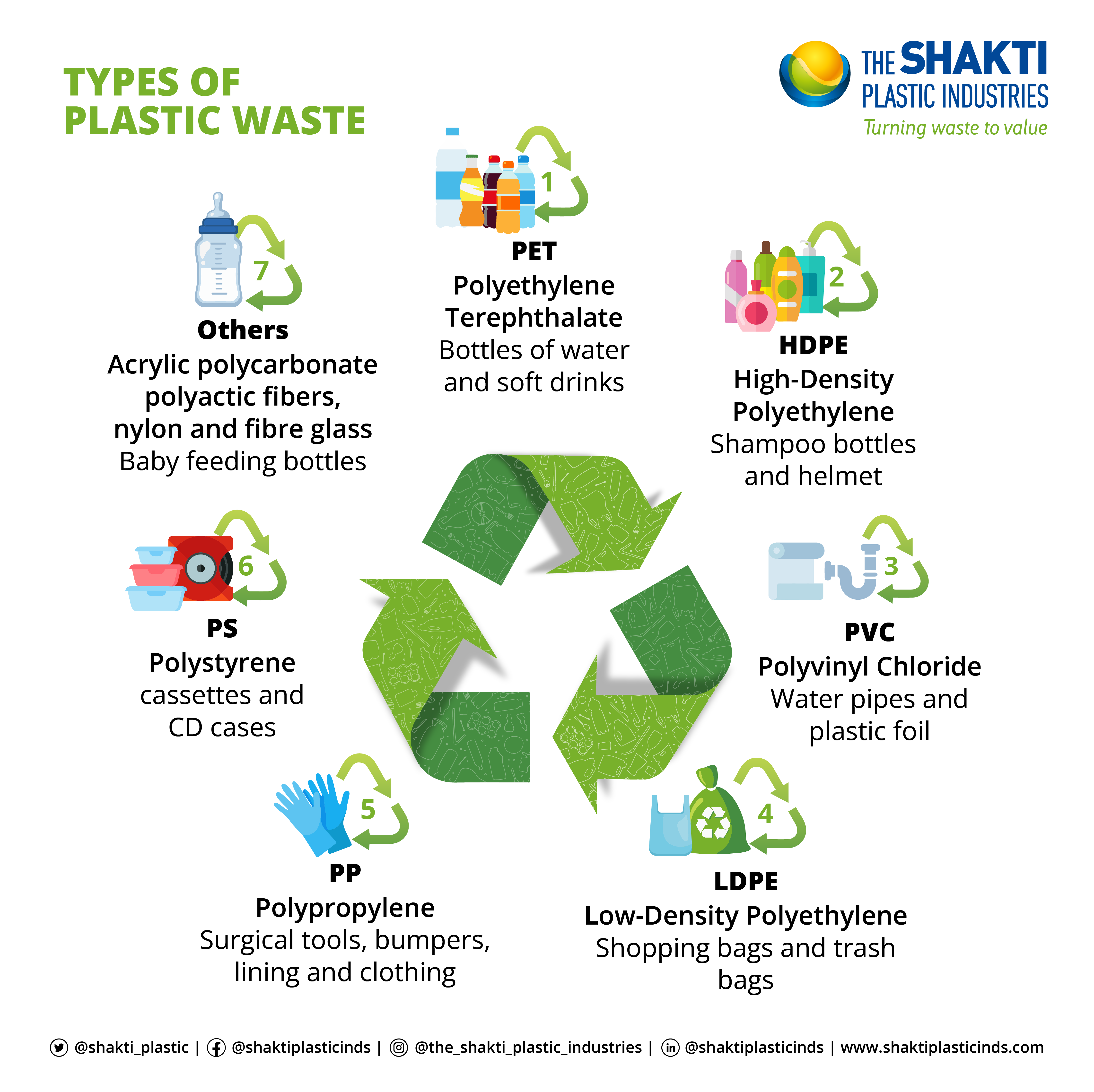
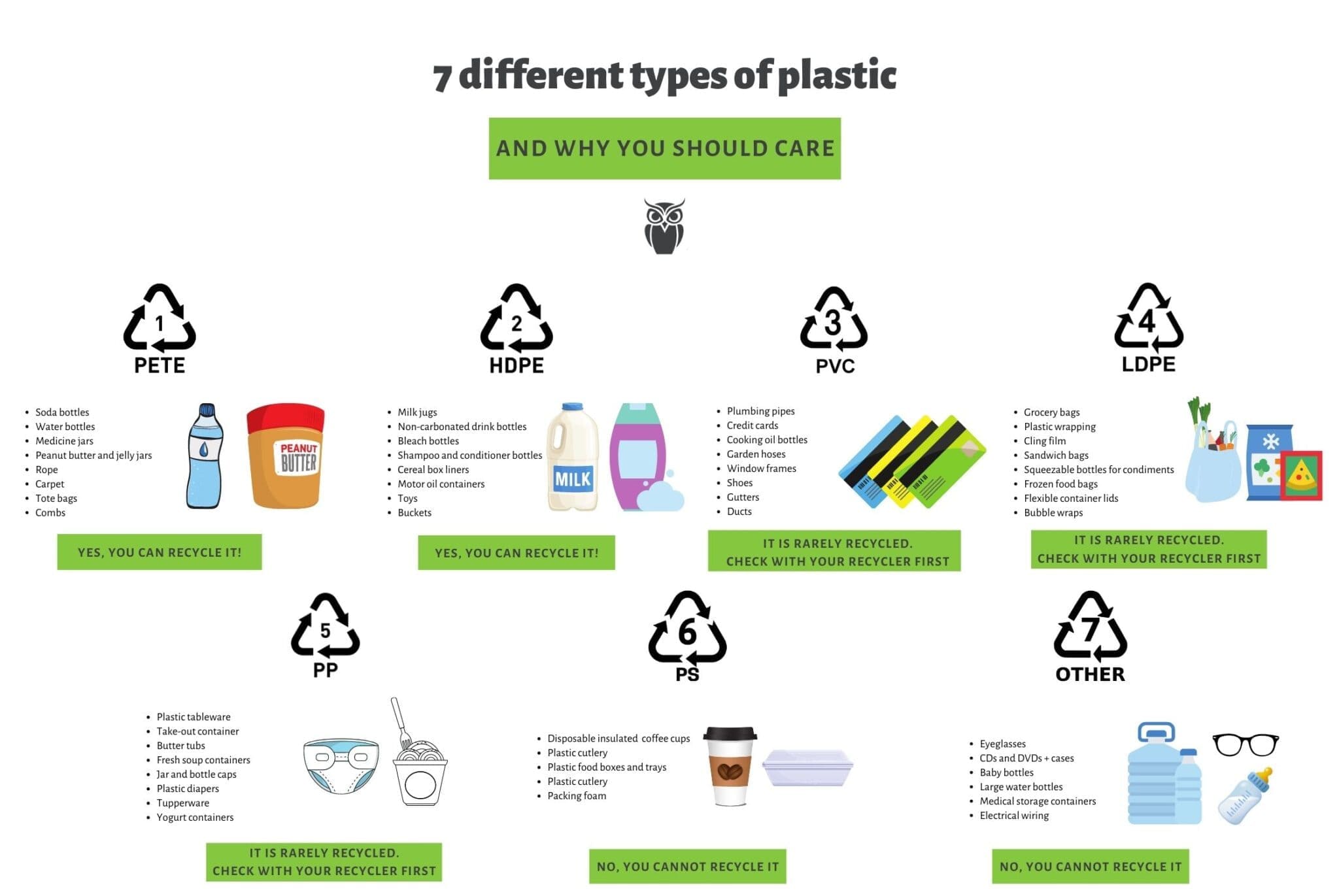
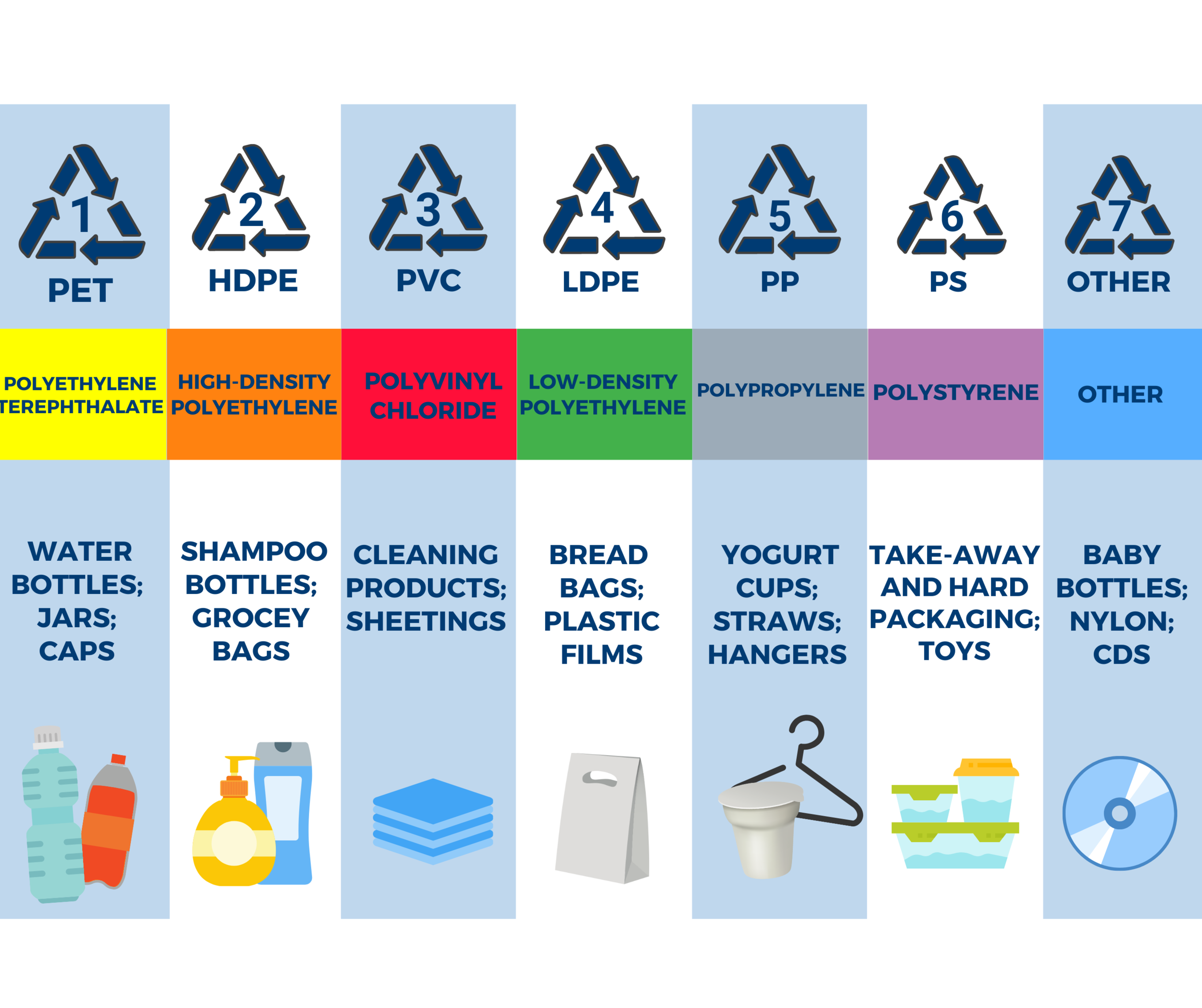
Alright, so technically, there are hundreds of different kinds of plastic, if you get down to the nitty-gritty chemical level. But for practical purposes, and especially when it comes to recycling, we usually talk about seven main types. Think of them as the "Magnificent Seven" of the plastic world. Each one has its own unique properties and uses. Let’s meet them!
Must Read
1. PET or PETE (Polyethylene Terephthalate)
This is the stuff of water bottles and soda bottles. You know, the ones you should be recycling (hint, hint!). PET is usually pretty clear and lightweight. It's generally considered safe for single use, but try not to refill those old water bottles too many times. Nobody wants plastic leaching into their hydration!
2. HDPE (High-Density Polyethylene)
This is the tough stuff. Think milk jugs, laundry detergent bottles, and even some toys. HDPE is known for its strength and rigidity. It's also widely recycled, which is a big win!
3. PVC or V (Polyvinyl Chloride)
Okay, PVC is a bit more controversial. It's used in things like pipes, siding, and some packaging. The problem? It can contain some nasty chemicals, and it's not always easy to recycle. So, let's just say PVC and I aren't exactly besties. 😉
4. LDPE (Low-Density Polyethylene)
LDPE is the softer, more flexible cousin of HDPE. You'll find it in things like plastic bags, cling wrap, and squeezable bottles. It's pretty good at sealing things up, which is why your leftovers love it (maybe a little too much!).
5. PP (Polypropylene)
This is a tough, heat-resistant plastic often used for things like yogurt containers, medicine bottles, and even some car parts. PP is pretty versatile and can handle a bit of heat, unlike some other plastics that get all melty and dramatic. No divas here!
6. PS (Polystyrene)
Ah, polystyrene, also known as Styrofoam. The bane of many environmentalists' existence. It's used in disposable coffee cups, packing peanuts, and food containers. It's lightweight and cheap, but it's notoriously difficult to recycle and can break down into tiny, pesky microplastics. Let's just say we're not fans of overusing this one.

7. Other (Everything Else!)
This is the catch-all category for all the plastics that don't fit neatly into the other six. This can include things like acrylic, polycarbonate, and nylon. Often, these are mixtures of different plastics or plastics with unique properties. Because it’s such a mixed bag, recycling can be tricky.
Beyond the Basics: A World of Plastic Possibilities
So, those are the main 7, but the plastic world is constantly evolving. Scientists are always developing new plastics with different properties, like biodegradable plastics made from plant-based materials! How cool is that? The future of plastic might be greener than we think!

It’s important to remember that even if a plastic can be recycled, it doesn't mean it will be. Recycling programs vary wildly from place to place. Always check your local guidelines to see what's accepted in your area. Don't just toss everything into the blue bin and hope for the best!
The Takeaway: Be Plastic-Wise!
Okay, so we've covered a lot about plastics. It can feel a little overwhelming, but don't let it get you down! The most important thing is to be mindful of your plastic consumption. Try to reduce, reuse, and recycle whenever possible. Every little bit helps! Choose reusable water bottles, bring your own shopping bags, and support companies that are committed to sustainable practices.
You're now armed with some super-powered plastic knowledge! Go forth and make informed choices. Even small changes in our habits can make a big difference for our planet. And who knows, maybe you'll even impress your friends with your newfound plastic expertise at your next dinner party! Just try not to bore them too much. 😉