
How Many Degrees Does It Have To Be For Snow
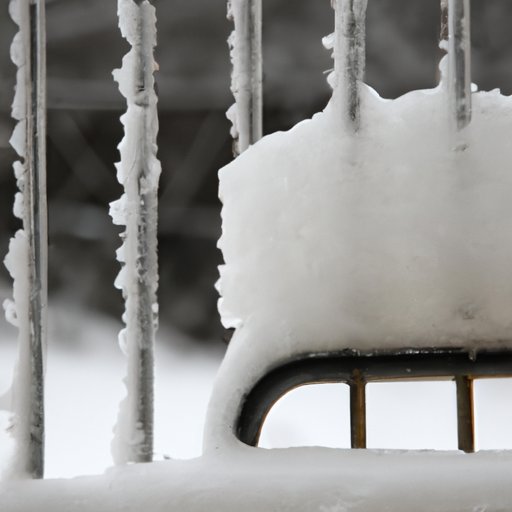
Okay, let's talk snow! We all love it (or at least love to complain about it – either way, it's a hot topic!). But have you ever stopped to wonder, like, exactly how cold does it have to be for those beautiful, fluffy flakes to actually fall from the sky?
The Big Freeze: The Temperature Truth
The magical number we're aiming for is 32 degrees Fahrenheit (or 0 degrees Celsius). BOOM! There it is. Case closed, right? Well, not quite. Mother Nature loves to throw a curveball (or a blizzard, depending on her mood).
Think of it like this: 32 degrees is the freezing point of water. That's when liquid water starts to turn into ice. But getting snow is a little more complicated than just having freezing temperatures at ground level. Imagine trying to bake a cake when only the bottom of the oven is on. You might get some cooking happening, but it's not going to be a uniformly delicious cake, is it?
Must Read
The same goes for snow! We need a whole symphony of cold air working together.
The Atmospheric Orchestra: It's a Team Effort!
For snow to grace us with its presence, we need cold air not just at ground level, but also way up in the atmosphere. Think of it as a chilly skyscraper of coldness reaching all the way to where the clouds hang out. These clouds, usually made of water droplets, need to be supercooled – like, colder than a penguin's toes on an iceberg!
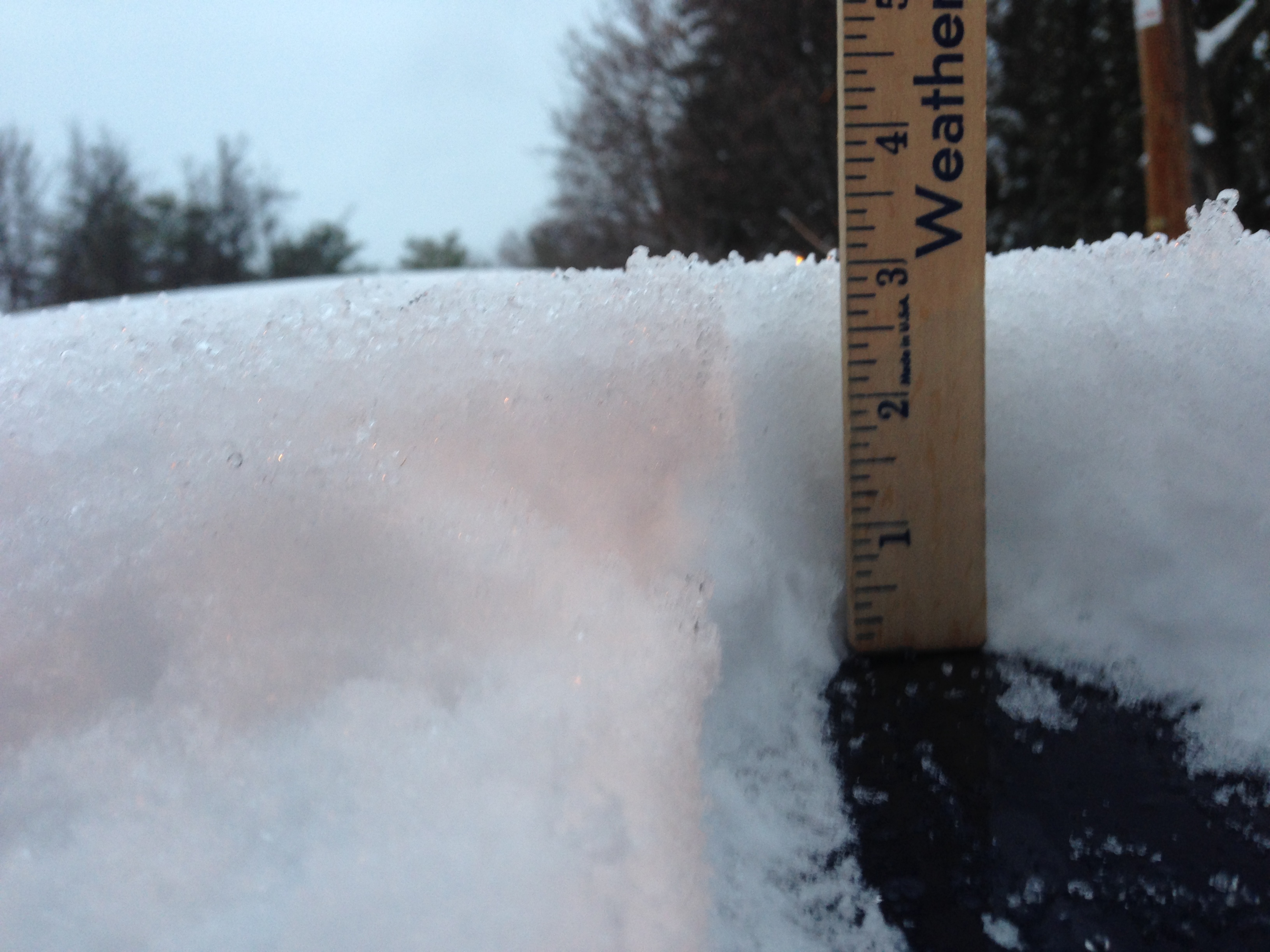
When these supercooled water droplets find something to latch onto (like a tiny speck of dust or pollen – thanks, allergies!), they freeze. And when they freeze, they form beautiful, intricate ice crystals. These ice crystals then get heavier and heavier as more water droplets freeze onto them. Eventually, they become too heavy to stay afloat in the cloud and… ta-da! Snowflakes!
Now, here's where things get interesting. Even if it's slightly above freezing at ground level – let's say 33 or 34 degrees – you can still get snow. How? Because those snowflakes are icy cold from their high-altitude origin. As they fall, they cool the air around them. If there isn't too much warm air for them to battle, they can make it all the way to the ground as fluffy, white goodness. It's like those snowflakes are tiny, icy ninjas, battling the warmth and winning!

But beware! If the ground temperature is significantly warmer – say, above 40 degrees – those snowflakes are going to melt faster than you can say "snow day!" You'll end up with rain, or worse, that slushy, miserable mess that nobody likes.
Snow's Personality: A Few Fun Facts
"No two snowflakes are alike!"
You've heard that before, right? It's true! The exact shape of a snowflake depends on the temperature and humidity of the air it travels through. Colder temperatures tend to produce those intricate, six-sided snowflakes we all know and love. Warmer temperatures can lead to wetter, clumpier snowflakes – the kind that are perfect for making snowballs (but maybe not so perfect for shoveling).

And get this: sometimes, the ground itself can be too warm for snow to stick! Even if the air temperature is perfect, if the ground is still holding onto some residual heat from a warmer day, the snowflakes will melt on contact. It's heartbreaking, I know. You're all ready for a winter wonderland, and then… poof! Gone.
So, the next time you're wondering if it's cold enough for snow, remember it's not just about that 32-degree mark. Think about the big picture! Is there cold air high up in the atmosphere? Is the ground temperature relatively cool? Are the snowflakes fighting valiantly against the warmth? If the answer to most of these questions is "yes," then get ready to break out the sled and build a snowman! Just remember to wear your warmest mittens!
And if it doesn't snow? Well, there's always hot chocolate and a good book. Because even if Mother Nature doesn't deliver the snow, we can always create our own cozy winter wonderland indoors!
