
How Many Coal Fired Power Plants Are In The Us

Ever stop to wonder about the stuff that keeps your lights on, your phone charged, and your Netflix streaming? We flip a switch, and poof – power! But where does it all come from? One of the OG sources, the old reliable workhorse, has long been coal. It might sound a bit dusty, a relic from another time, but the story of coal-fired power plants in the US is actually super dynamic and surprisingly fascinating.
Imagine for a moment you're trying to count all the Starbucks in a city. Sounds simple, right? Now imagine those Starbucks are constantly opening, closing, or even turning into a different kind of coffee shop entirely. That's a bit like tracking our power grid! So, if you were to ask, "Hey, how many coal-fired power plants are chugging away in the US right now?" you'd be diving into a surprisingly lively and evolving topic.
A Shifting Landscape: The Big Numbers
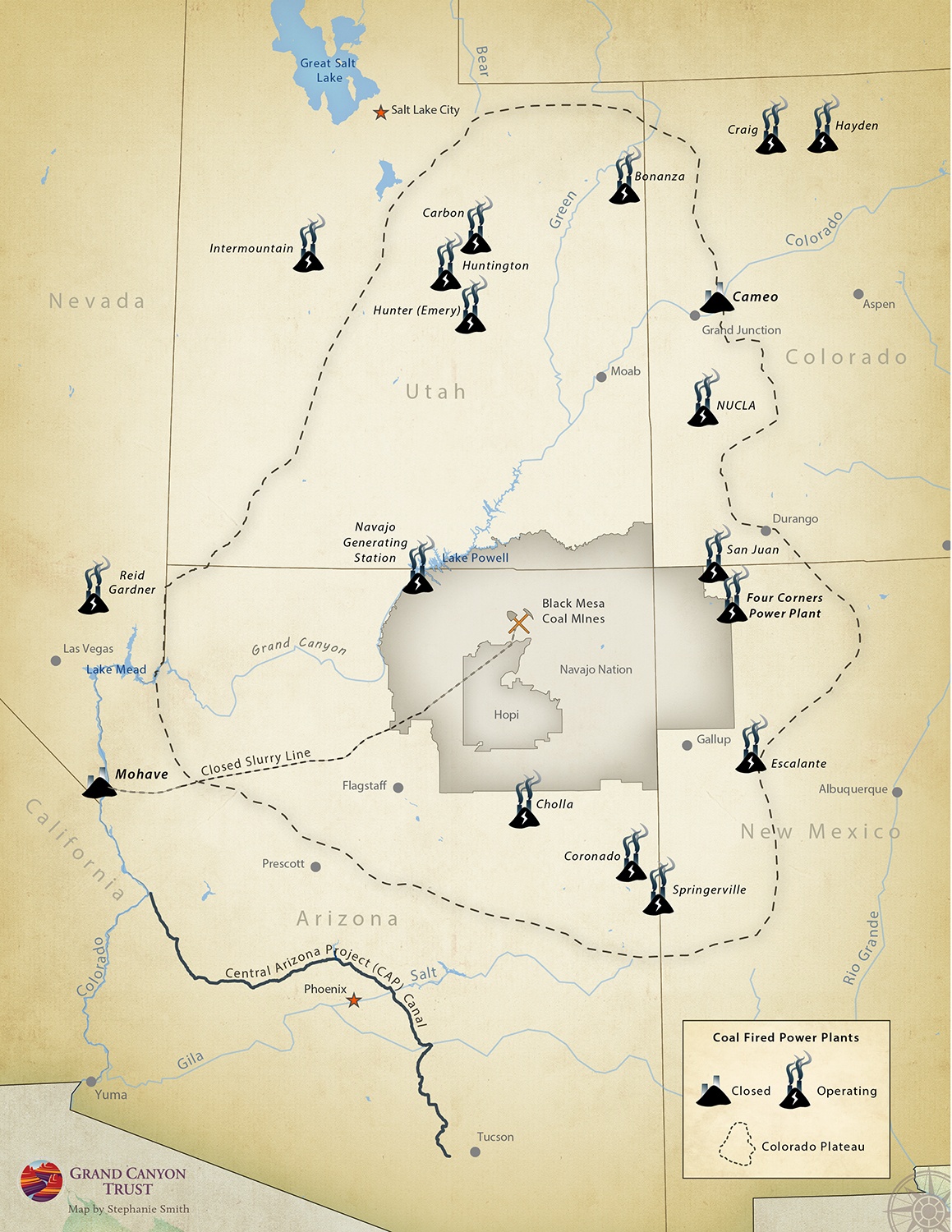
Alright, let's get to the juicy bits. The short answer to "how many?" isn't a static, easy-peasy number like counting your fingers and toes. It's more like trying to count jelly beans in a jar that someone keeps adding to and taking from. But here’s the gist: as of relatively recently, we're talking about somewhere in the ballpark of around 180 to 200 operational coal-fired power plants across the United States.
Must Read
Now, hold up a second. Does that sound like a lot? A little? Here's where it gets really interesting: that number is a dramatic drop from not too long ago. Picture this: back in 2010, just over a decade ago, the US was home to over 500 coal-fired power plants!
That's right, more than half of them have retired in a relatively short span of time. It's like an entire generation of old smartphones suddenly deciding to call it quits and make way for shiny new models. That's a massive transformation in our energy infrastructure, happening right before our eyes.

Why the Big Change? It's a Mix!
So, what's behind this huge shift? It's not one single thing, but a fascinating blend of economics, technology, and a growing awareness of our planet.
Think of it like this: imagine you've been driving the same trusty old car for decades. It gets you from A to B, but it drinks a lot of gas, needs frequent repairs, and maybe isn't the smoothest ride anymore. Then, suddenly, cheaper, more efficient, and perhaps even electric cars start hitting the market. What do you do?
That's basically what happened to coal.

First up: Natural Gas. The US experienced a massive boom in natural gas production, making it much cheaper and more abundant. Power plants that burn natural gas are generally cleaner and quicker to build than coal plants, making them an attractive alternative. It was like suddenly finding a super-efficient, affordable sedan that’s also kinder to the environment.
Next, there's the Rise of Renewables. Solar panels and wind turbines are no longer niche technologies. They're getting cheaper, more efficient, and increasingly integrated into our grid. While they have their own unique challenges (the sun doesn't always shine, the wind doesn't always blow), their growth has been explosive. They're like the sleek, futuristic electric cars that everyone's talking about.
And let's not forget about Environmental Concerns and Regulations. Coal combustion, while powerful, releases a lot of greenhouse gases and pollutants into the atmosphere. As our understanding of climate change and air quality has evolved, so too have regulations aimed at reducing these impacts. This often made it more expensive for older coal plants to operate, pushing them towards retirement.

What Does This Mean for Us?
This massive shift isn't just a bunch of numbers on a spreadsheet; it affects our lives in really tangible ways.
For starters, it often means cleaner air. Fewer coal plants generally lead to reductions in things like sulfur dioxide and particulate matter, which can have significant positive impacts on public health. You might literally breathe a little easier!
It also highlights our journey towards a more diverse and sustainable energy portfolio. Relying less on a single fuel source means more resilience and adaptability for our power grid. It's like having a balanced diet instead of just eating the same thing every day – healthier and more robust!
Of course, change is rarely without its challenges. Communities that relied heavily on coal mining and power generation face economic shifts, and ensuring a stable and reliable power supply while transitioning is a complex dance.
The Takeaway: It's All Connected!
So, the next time you plug in your phone or flick a light switch, take a moment to appreciate the invisible ballet of energy sources working behind the scenes. The story of coal-fired power plants in the US isn't just about a number; it's a living, breathing saga of innovation, economics, and our collective journey towards a future powered in new and exciting ways.
It's a reminder that even the seemingly most industrial parts of our world are constantly evolving, adapting, and telling a story about who we are and where we're headed. Pretty cool, right?