How Many Categories Are There In Hurricanes
Hurricanes. Just the word conjures up images of swirling winds, crashing waves, and communities banding together to weather the storm. While they can be destructive, understanding these powerful forces of nature is crucial for staying safe and informed. One of the first things people often learn about hurricanes is their categorization. But how many categories are there really, and what do they even mean? Knowing the answer isn’t just trivia; it's a valuable tool for gauging potential impact and making informed decisions when a hurricane is headed your way.
The scale used to categorize hurricanes is called the Saffir-Simpson Hurricane Wind Scale. It was developed to estimate potential property damage from a hurricane's winds. The beauty of this scale is its simplicity. It boils down a complex meteorological event into a manageable and easily understandable ranking system. The primary benefit? Clear communication. Emergency managers, news outlets, and even your neighbor can quickly grasp the potential severity of a hurricane based solely on its category. This allows for more effective preparation and evacuation efforts.
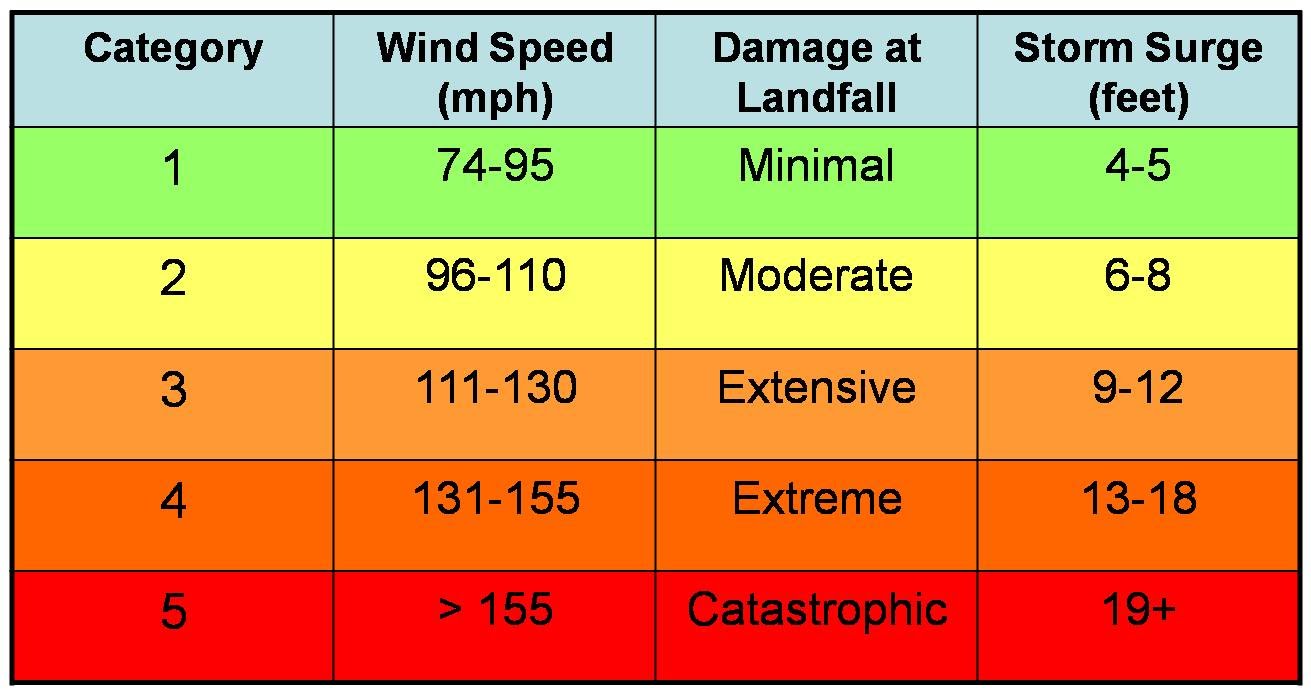
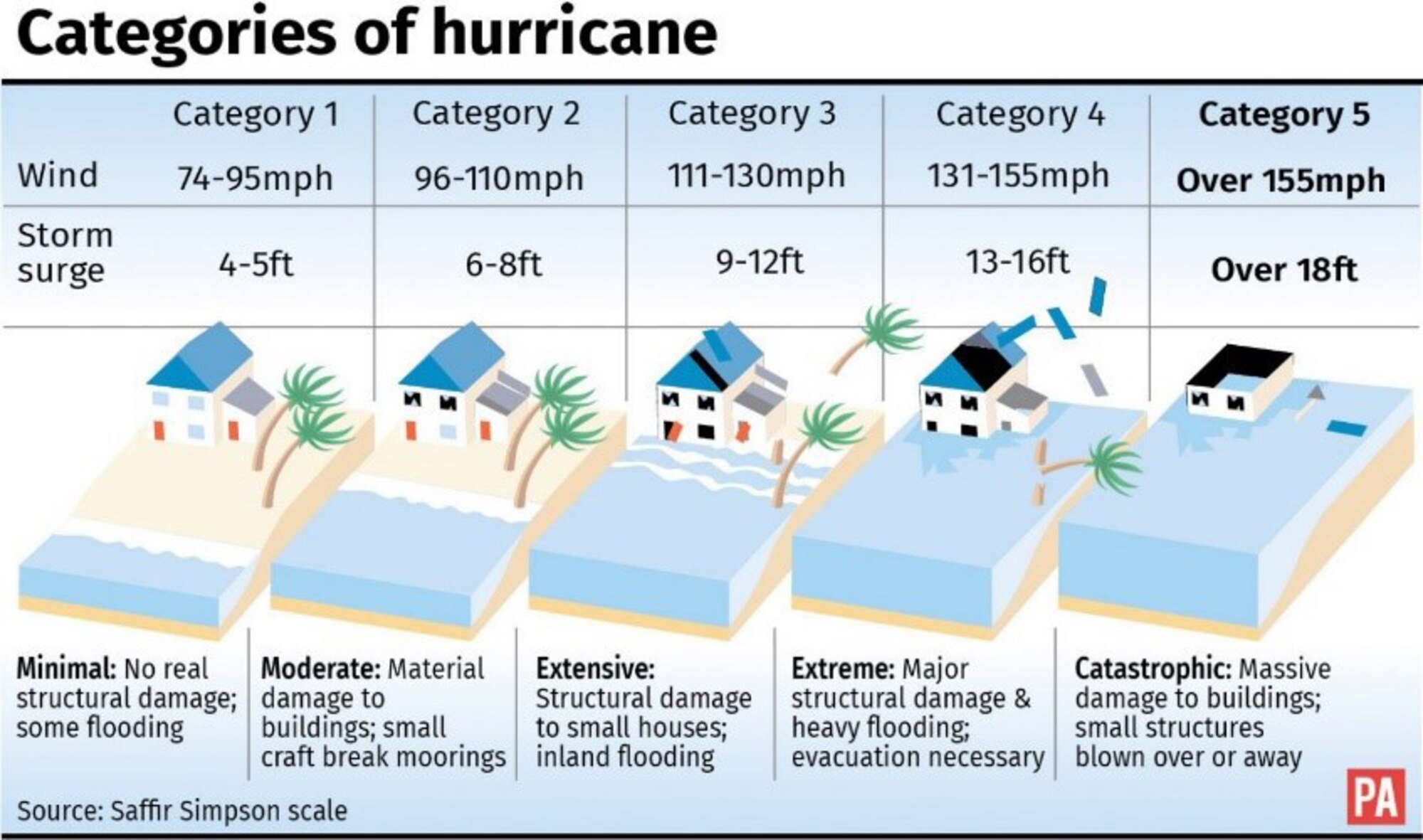
So, how many categories are there? Drumroll please… there are five! That’s right, the Saffir-Simpson scale ranges from Category 1 to Category 5. Each category represents a range of sustained wind speeds and a corresponding level of potential damage.
Must Read
Let's break it down:
![Understanding Hurricane Categories [+ Preparation List]](https://www.alertmedia.com/wp-content/uploads/2019/05/hurricane-categories.jpg)
- Category 1: Sustained winds of 74-95 mph. Expect some damage, primarily to unanchored mobile homes, shrubbery, and trees. Coastal flooding is possible.
- Category 2: Sustained winds of 96-110 mph. Considerable damage is likely. Expect damage to roofing materials, siding, and trees. Some coastal roads could be flooded.
- Category 3: Sustained winds of 111-129 mph. This is where things get serious. Expect extensive damage. Well-built framed homes may incur major damage or removal of roof decking and gable ends. Many trees will be snapped or uprooted, blocking roadways.
- Category 4: Sustained winds of 130-156 mph. Devastating damage is expected. Well-built homes can sustain severe damage with loss of most of the roof structure and/or some exterior walls. Most trees will be snapped or uprooted. Power outages are common and can last for extended periods.
- Category 5: Sustained winds of 157 mph or higher. Catastrophic damage is inevitable. A high percentage of framed homes will be destroyed, with total roof failure and wall collapse. Power outages will be widespread and prolonged. Areas may be uninhabitable for weeks or months.
It’s important to remember that the Saffir-Simpson scale focuses solely on sustained wind speed. Other factors, such as storm surge, rainfall, and the size of the storm, also contribute significantly to the overall impact. A Category 1 hurricane that stalls over an area and dumps torrential rain can be far more damaging than a fast-moving Category 3. Therefore, always pay attention to the full range of warnings and information issued by the National Hurricane Center and local authorities.
Knowing the number of hurricane categories and what they represent is a crucial step in understanding these powerful storms. By understanding the potential impacts, you can better prepare yourself and your community to stay safe when a hurricane threatens. So, the next time you hear a hurricane being discussed, remember the five categories of the Saffir-Simpson scale and use that knowledge to stay informed and prepared!