
How Many Carbon Monoxide Detectors Should You Have
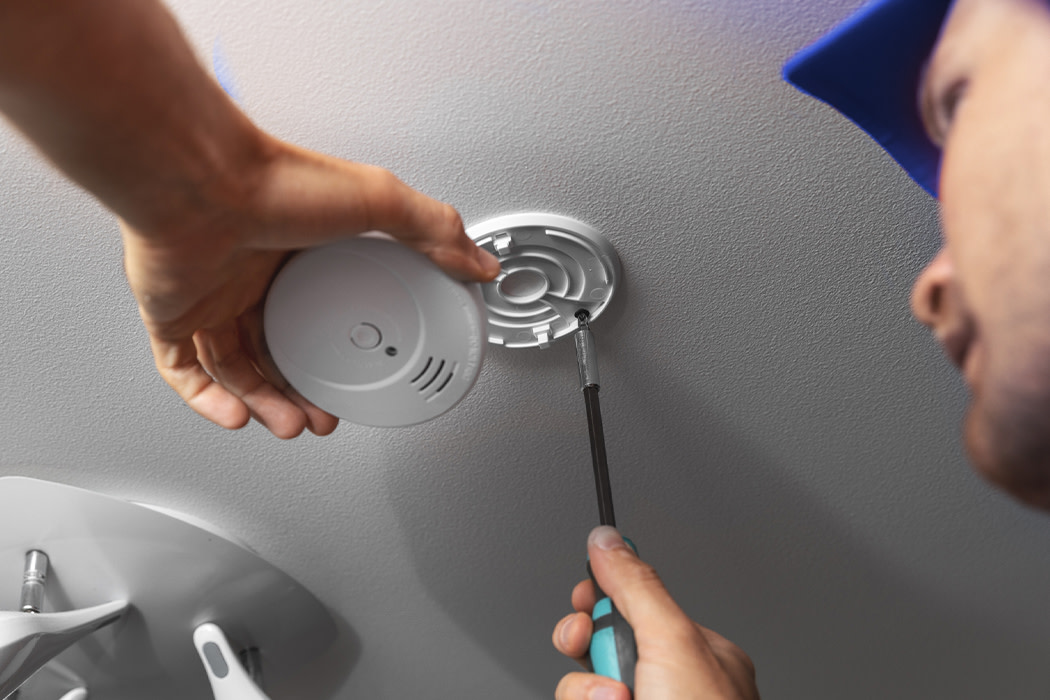
Alright, let's talk about a party guest no one, and we mean absolutely no one, ever invited: Carbon Monoxide! This sneaky invisible gas is the ultimate uninvited plus-one, and it's notoriously bad at RSVPing. It just shows up, causes trouble, and never even brings a decent bottle of wine.
The Sneaky Guest No One Wants
Imagine a gas that has no smell, no color, and makes absolutely no noise. It's like a ninja, but instead of cool moves, it just silently depletes the oxygen in your blood. It's a truly rotten party crasher, one that you absolutely, positively need to guard against with vigilant, beeping sentinels.
"Imagine a gas that has no smell, no color, and makes absolutely no noise."
So, we're not just talking about being polite to your furnace; we're talking about protecting your brain cells from this invisible menace. It's not about being paranoid, it's about being prepared like a superhero with a utility belt full of beeping champions.
Must Read
So, How Many CO Detectors Are We Talking About?
If you're picturing one lone warrior guarding your entire castle, think again! We're aiming for a full-on, enthusiastic army of CO detectors, strategically placed like tiny, watchful dragons. You want these little heroes everywhere they can do the most good.
Prepare to unleash a whole squad of these safety sidekicks throughout your dwelling. The more watchful eyes, or rather, "noses," the better your chances of sending that unwelcome CO packing before it even thinks about getting comfortable.
The Grand Tour: Where Every Carbon Monoxide Detector Deserves a Spotlight
Let's take a delightful stroll through your home and pinpoint all the prime real estate for these vital gadgets. Think of it as decorating your home with peace of mind, one detector at a time. Each location is a strategic outpost against the invisible invader.
No corner should be left unprotected, because Count Carbon Monoxide loves to lurk in the shadows. He’s a tricky fellow, always looking for an unguarded entryway, so let’s make sure every potential breach is covered.
Spot #1: The Command Center (Every Level!)
First things first, you need a detector on every single level of your home. If you have a basement, a main floor, and an upstairs, that's three detectors right there, minimum. This ensures that no matter where CO tries to rise or settle, it hits a roadblock.
It’s like having a security guard at every floor of a skyscraper; you wouldn't just put one at the lobby, would you? Each level needs its own vigilant guardian, ready to sound the alarm at the first whiff of trouble. Think of them as floor captains, each with their own turf to protect.
Spot #2: The Dream Zones (Sleeping Areas)
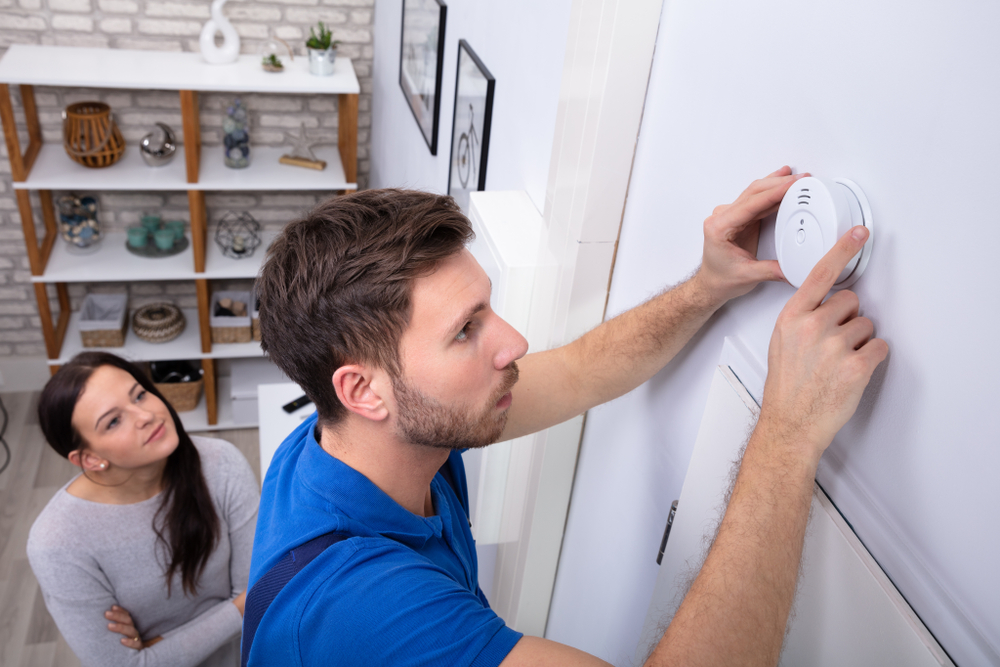
This is absolutely non-negotiable: every sleeping area needs a detector. Picture yourself drifting off to dreamland, utterly unaware of any silent intruders. This is precisely when CO is most dangerous, because your body can't wake you up.
Place one inside or right outside each bedroom or sleeping area. Don't let Mr. Sleepyhead or Ms. Dream Weaver be vulnerable while they're catching Z's. Their trusty detector is their silent alarm clock for danger, ready to jolt them awake with a helpful beep.
Spot #3: The Iron Steed's Lair (Attached Garages)
Got an attached garage? Then you absolutely, positively need a CO detector in the room adjacent to it. Even if you're super careful about not idling your car, exhaust fumes can still creep into your living space.
That garage is where your car breathes, and sometimes it doesn't breathe the freshest air. Don't let those exhaust fumes turn into a silent disco in your home; get a detector to keep an eye on that transition zone. It’s like having a bouncer for your exhaust fumes.
Spot #4: The Warm Heart of the Home (Fuel-Burning Appliances)
Think about your furnace, water heater, gas fireplace, or any other appliance that burns fuel. These are the usual suspects for CO leaks, and they deserve a watchful eye nearby. But not too close!
Place a detector a safe distance (check your manual!) from these heat-generating heroes. You want to detect a leak, not just exhaust. Think of them as tiny, tireless guardians specifically assigned to monitor the mechanical beasts that keep your home cozy.
Spot #5: The Hidden Depths & Lofty Heights (Basements & Attics)
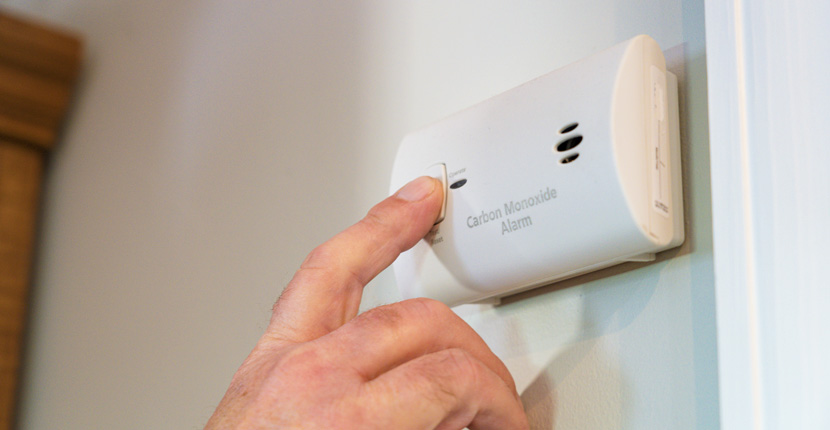
Don't forget the oft-neglected zones! If your furnace or water heater lives in the basement, you already know to put a detector there. But even if they don't, basements can be collection points for heavier gases, and attics, though less common, can house furnaces.
Even the spiders and forgotten treasures deserve protection! These areas might not be where you spend most of your time, but they can be crucial pathways for CO. A detector here is like a deep-cover agent, making sure no funny business goes undetected.
Spot #6: The Welcome Wagon for Guests (Guest Rooms & In-Law Suites)
If you have dedicated guest bedrooms or an in-law suite, treat them like mini-apartments within your home. They need their own CO detectors, just like any other sleeping area. Being a good host means keeping your guests safe and sound.
You wouldn't want Aunt Mildred to wake up feeling dizzy, thinking it was just the jet lag! A detector ensures her visit is filled with happy memories, not mysterious headaches. It's the ultimate hospitality accessory.
Spot #7: The Hobby Hubs (Workshops, Man Caves, She Sheds)
Got a workshop where you tinker with gas-powered tools? Or a man cave with a space heater? A she shed where creativity (and maybe a small, fueled appliance) blooms? These personal sanctuaries need protection too.
Power tools might hum, but CO is always silent, even in the midst of your most exciting projects. Don’t let your passion project be interrupted by a dangerous gas; keep a detector close to where the action happens. Safety first, then sawdust!

Spot #8: The Adventurous Abodes (RVs, Campers, Boats)
If your home is on wheels or water, the rules apply even more intensely! RVs, campers, and boats often have small, enclosed spaces with multiple fuel-burning appliances. These environments are prime territory for CO build-up.
Adventure is great, but CO is not the souvenir you want from your travels. Make sure your mobile living space is equipped with proper detectors, keeping your road trips and sea voyages worry-free. Safety is always in season!
Spot #9: The Getaway Nooks (Rental Properties & Vacation Homes)
Even when you're away from your primary residence, safety never takes a vacation. If you own a rental property or a cozy vacation home, equip it with CO detectors. This protects your tenants, your guests, and your peace of mind.
You want everyone who steps foot in your property to be safe, whether it's a long-term renter or a weekend escape artist. Remember, CO never takes a holiday, so your detectors shouldn't either. It's responsible ownership with a dash of fun!
The Golden Rule: More Is Merrier (And Safer!)
Honestly, when it comes to Carbon Monoxide Detectors, it's less about a strict "number" and more about strategic saturation. Think of your home as a giant board game, and your detectors are your pawns, covering every square inch.
"When in doubt, add another detector!"
You can never really have too many; the more eyes (or sensors) you have watching, the safer everyone inside will be. So go ahead, unleash your inner CO detector enthusiast and sprinkle these lifesavers liberally throughout your domain.
A Few Speedy Setup Secrets
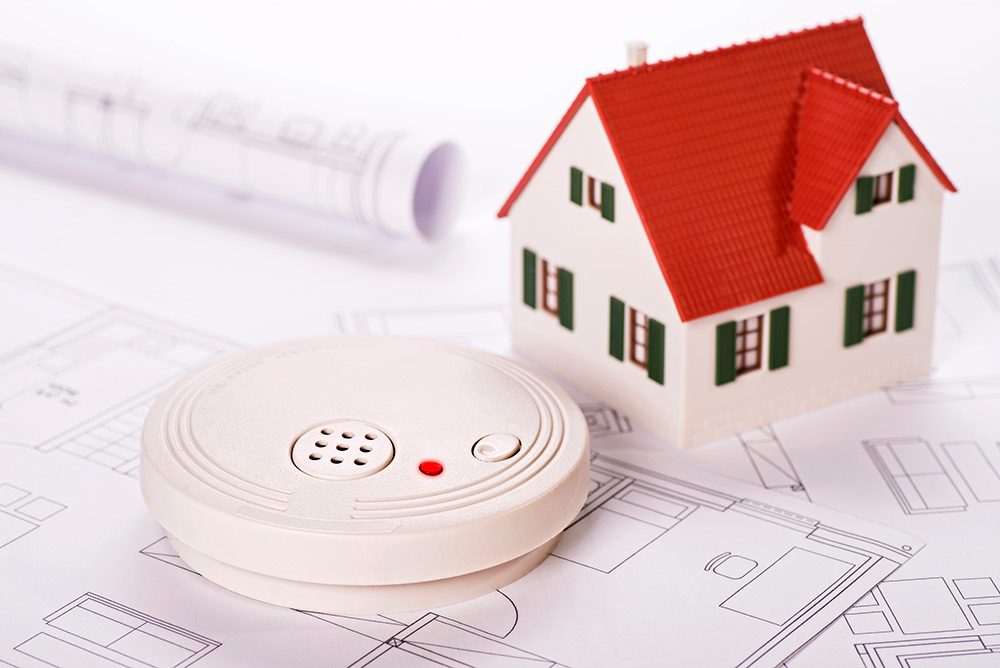
Remember to install your detectors according to the manufacturer's instructions. They usually recommend placing them about five feet off the floor, but check your specific model. Avoid putting them right next to cooking fumes, heating vents, or in direct sunlight.
These little heroes need a clear line of sight, or rather, a clear "sniff" of the air. Don't let a draft or a dusty corner blind them to their purpose. Give them the best vantage point for detecting that mischievous gas.
The Detector's Annual Check-Up
Just like you visit the doctor, your CO detectors need regular check-ups! Test them monthly with the handy "test" button and change their batteries at least once a year (hello, Daylight Saving Time!). They usually have an expiry date, typically 5-7 years, so replace them when their time is up.
Think of it as their annual spa day and eventual retirement party. Keep them fresh, keep them ready, and they'll keep you safe. A well-maintained detector is a happy detector, and a happy detector keeps you safe!
Final Fun Thought: Be a CO Crusader!
So, how many Carbon Monoxide detectors should you have? The answer is simple: enough to feel like your home is a fortress of fresh air and safety! Go forth, spread the detector love, and make your home a no-fly zone for that invisible party pooper.
Embrace the beeps, love the peace of mind, and enjoy knowing you're truly protecting your loved ones. You're not just buying gadgets; you're investing in safety, comfort, and a lifetime of fresh, clean breaths. Bravo, you CO Crusader, you!