How Many Carbon Monoxide Detectors Should A Home Have
We often chat about the latest smart home gadgets, the coolest kitchen tools, or even the most captivating paint colors for a living room refresh. But what about the truly unsung heroes of our homes, the silent guardians that work tirelessly behind the scenes to keep our families safe? Today, we're shining a spotlight on one such vital protector: the carbon monoxide detector. Often overlooked, these devices are a testament to how a small, proactive step can offer immense peace of mind and protection.
Thinking about home safety might not sound "lighthearted," but empowering yourself with knowledge and action definitely is! When it comes to carbon monoxide (CO), we’re talking about an invisible, odorless, and tasteless gas – a true "silent killer" – that can be produced by everyday fuel-burning appliances. The great news is, protecting your home from this threat is remarkably simple and profoundly beneficial for every single resident, from the tiniest tot to the most seasoned senior. It’s about building a fortress of well-being, where everyone can breathe easy, literally and figuratively.
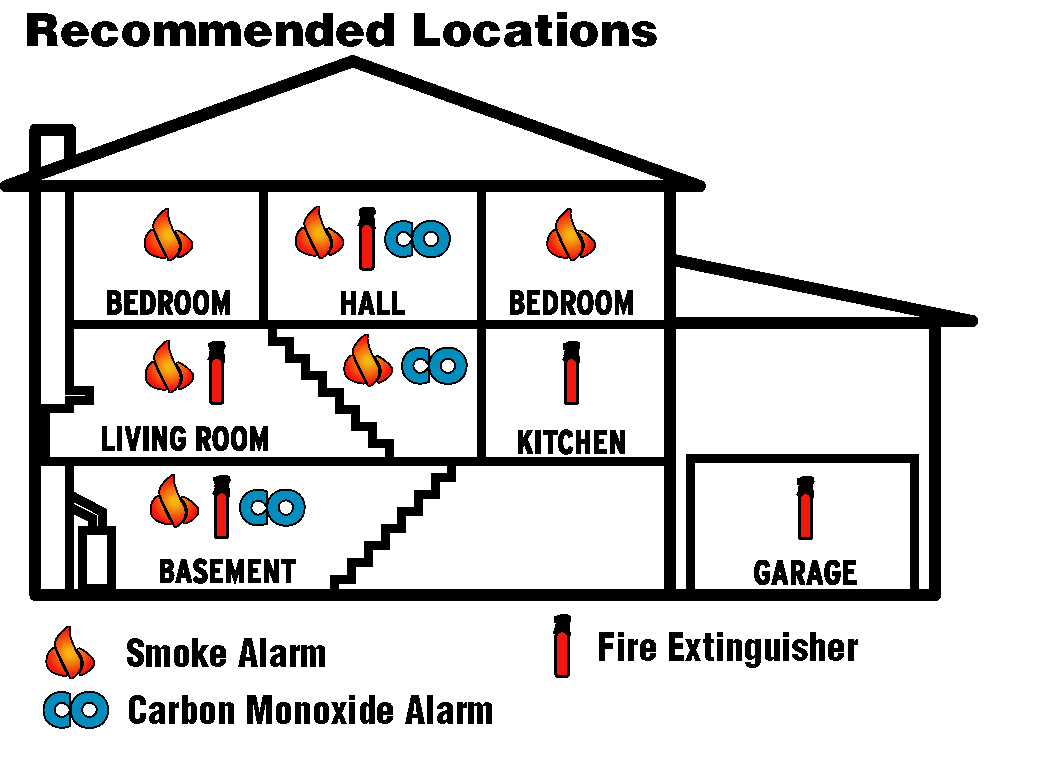
So, let's get to the crucial question: how many CO detectors should your home have? While a single detector is certainly better than none, safety experts generally recommend a layered approach. Think of it like this: you wouldn't just have one light switch for your entire house, would you? For optimal protection, you should aim for a CO detector on every level of your home, including the basement. Furthermore, it's highly recommended to place one near or in every sleeping area. This ensures that even if a CO leak occurs during the night, an alarm will sound where it’s most likely to wake and alert occupants.
Must Read
Consider the varying "styles" of protection available too. You can find detectors that plug into an outlet, battery-operated units, or even combination smoke and CO detectors, offering a two-in-one safety solution. Some modern smart home systems also integrate CO detection, providing alerts to your phone. The "subject" here is always safety, but the "variations" in technology mean there's a perfect fit for every home and budget.

Ready to empower your home with this essential safety measure? Here are some simple tips for trying it at home:
- Assess your current setup: Do you have CO detectors? Where are they located? Are they within their expiry date (typically 5-7 years)?
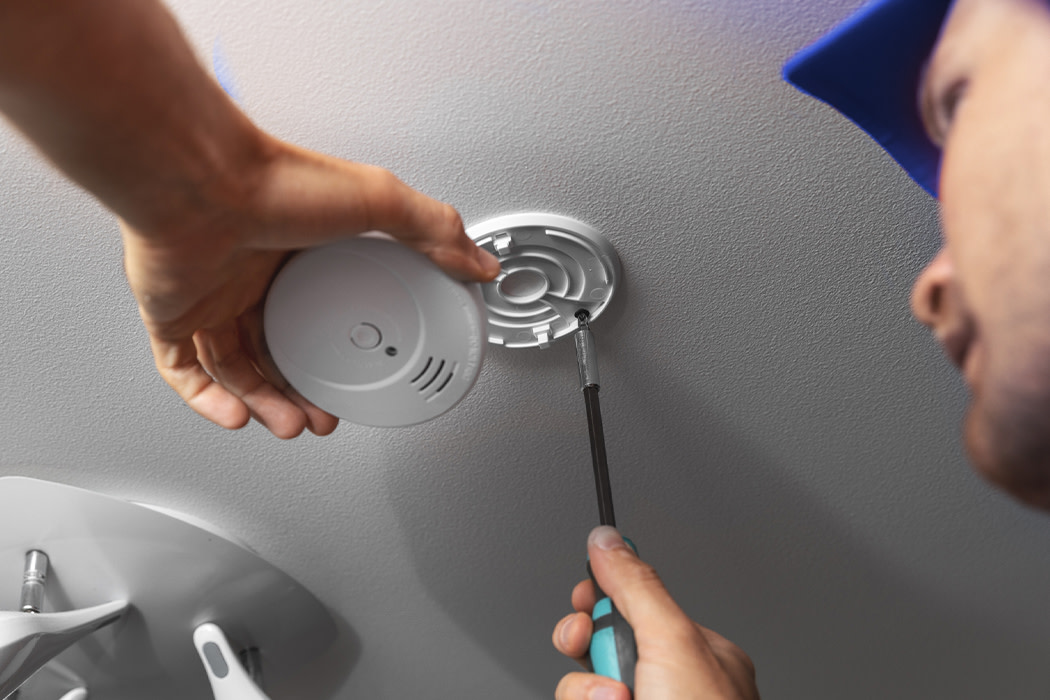
- Strategic Placement: Install detectors at least 5 feet from the ground, but not on the ceiling. Avoid placing them directly above fuel-burning appliances or in direct sunlight.
- Test Regularly: Most detectors have a test button. Make it a habit to test them monthly, just like you would a smoke detector.
- Read the Manual: Each model can have specific recommendations. A quick read ensures you're installing and maintaining it correctly.
Ultimately, the "joy" of properly outfitting your home with carbon monoxide detectors isn't about the thrill of installation, but about the profound peace of mind it brings. It's about knowing you've taken a crucial step to protect your loved ones from an unseen danger. It’s about creating a safe haven where laughter, dreams, and everyday moments can flourish without a hidden threat looming. Be a home safety hero – empower your space, and empower your family’s well-being!