How Many Carbon Monoxide Detectors Needed
Hey there, lovely reader! Let's chat about something super important, but often overlooked, in our cozy homes: the silent guardian against a sneaky little troublemaker called carbon monoxide (CO). We're talking about those clever little detectors, and the big question: how many do you actually need?
First off, let's get friendly with CO. Imagine a ninja gas. It's invisible, odorless, and tasteless – truly the master of disguise. You'd never know it was there until it starts causing real trouble. It comes from everyday heroes in our homes like your trusty furnace, that comforting fireplace, your water heater, or even your gas stove. Usually, everything's fine because these appliances are designed to vent CO safely outside. But if something goes wonky – a blocked chimney, a faulty appliance, or even exhaust from a car left running in an attached garage – then that ninja gas can sneak into your living space.
And that, my friends, is why we need to care. Carbon monoxide can make you sick, dizzy, confused, and in severe cases, it can be fatal. It essentially tricks your body into thinking it's getting oxygen, when really, it's getting something else that slowly suffocates your cells. Sounds a bit scary, right? But don't fret! The good news is that protecting yourself and your loved ones from this sneaky threat is incredibly easy. It's like putting up a "No Sneaky Ninjas Allowed!" sign, but way more effective.
Must Read
So, How Many Silent Sentinels Do You Need? Let's Break It Down!
Think of it like setting up a treasure hunt for safety, or perhaps like making sure you have enough comfy blankets for everyone on a chilly movie night. You want coverage, but you also want it in the right spots.
1. Every Level Needs a Detector!
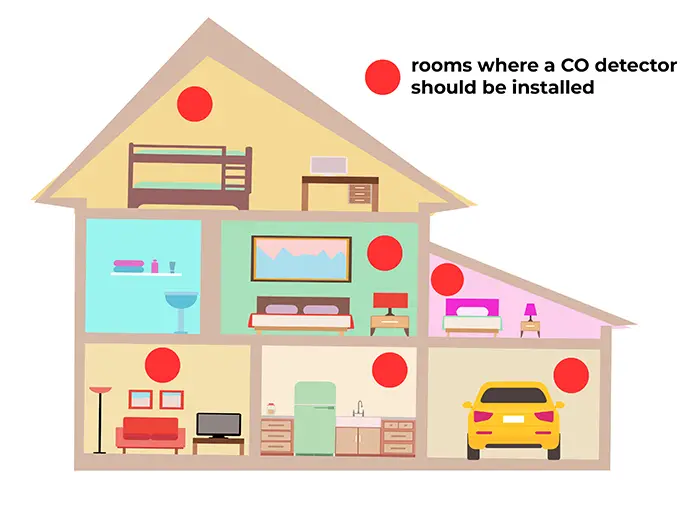
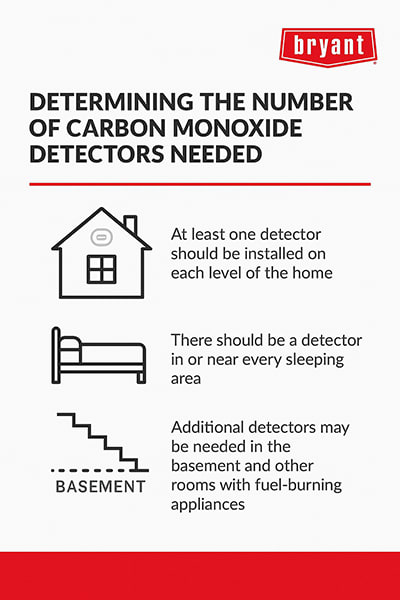
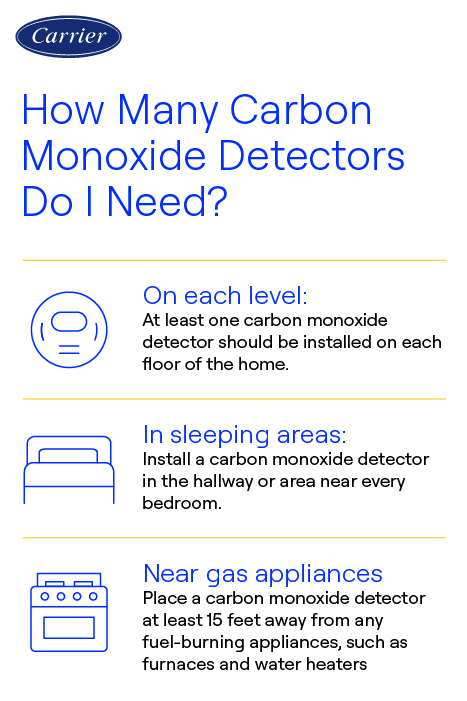
This is rule number one, the golden standard, the absolute non-negotiable! If your home has multiple floors, including the basement (yes, that counts as a level!), then each and every floor needs its own CO detector. Imagine trying to hear if the popcorn is done from the basement when you're on the top floor – tough, right? Same principle. You want detection capability spread out, so if CO starts creeping in on one level, a detector there can raise the alarm quickly. It's like having a friendly guard dog on every floor, ready to bark if there's an uninvited guest.
2. Near Sleeping Areas are Priority!
This is where the magic (or rather, the protection) really happens. While you're awake, you might notice symptoms, but when you're sound asleep, your senses are off duty. That's why you absolutely need a CO detector near or even inside every separate sleeping area. Think about it: the kids' bedrooms, your master suite, the guest room. If you have a long hallway with multiple bedrooms, one outside the bedrooms is good, but if you can swing it, a detector within each bedroom offers an extra layer of peace of mind. It’s like tucking in your loved ones not just with a blanket, but with an invisible shield.
3. The Attached Garage Zone!
Do you have an attached garage? Great for keeping the car out of the elements, right? But it's also a common culprit for CO sneak-ins. If you sometimes warm up your car or use power tools that run on fuel in there, even briefly, exhaust fumes can drift into your home. So, make sure you have a CO detector in the room adjacent to the attached garage. It's like having a vigilant neighbor keeping an eye on the shared fence line, ready to report any suspicious activity.

4. Near Fuel-Burning Appliances!
Remember those everyday heroes we talked about – the furnace, water heater, gas stove, fireplace? While these are covered by the "every level" rule, it's smart to have a detector in the general vicinity of where these appliances live, especially if they're in an area not directly covered by a sleeping area detector. For example, if your furnace is tucked away in a utility closet in the basement, make sure there's a detector in that basement area. It’s not about being nosy, it’s about giving these hardworking appliances a little extra supervision, just in case they decide to misbehave.
5. Don't Forget the Basement (Again)!
Yes, we mentioned it in "every level," but basements deserve a special shout-out. Often, furnaces and water heaters reside down there. Plus, it's a space that might not get as much airflow or attention. So, reiterate: a CO detector in the basement is non-negotiable. It’s often the entry point for CO because it’s where many fuel-burning appliances are located, so it needs its own early warning system.
A Few Handy Placement Tips!
When you're installing these clever gadgets, remember they're a bit like Goldilocks – they like things "just right."
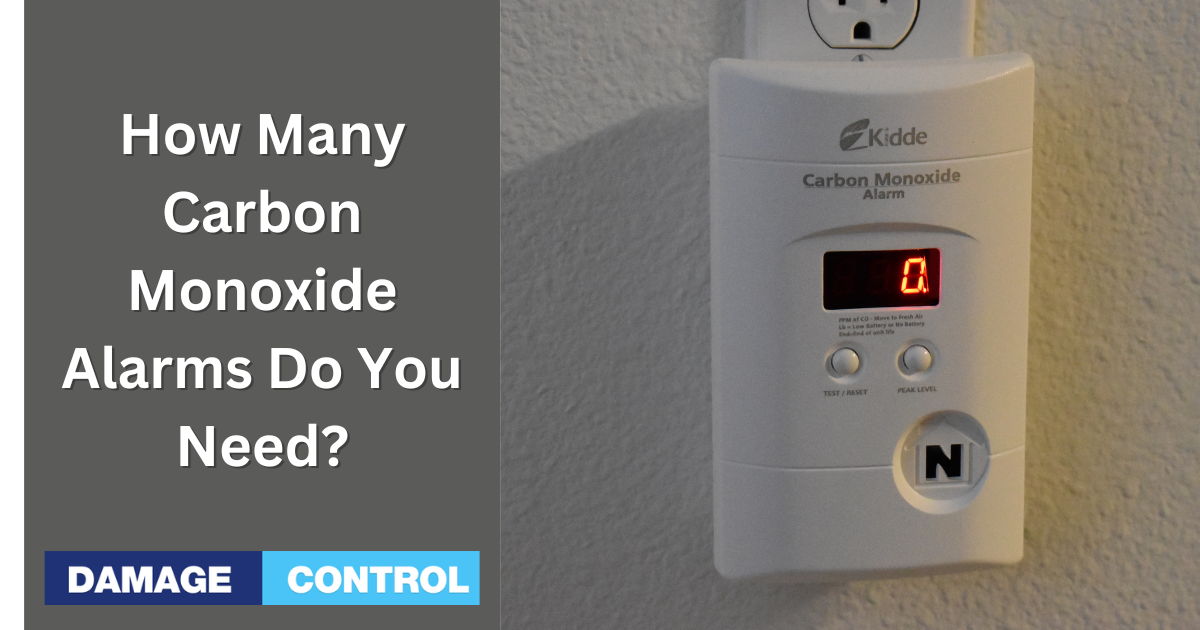
- Don't place them too close to fuel-burning appliances: A little puff of start-up exhaust might trigger a false alarm. Give them a bit of breathing room.
- Keep them away from windows or vents: Air currents can mess with their ability to detect properly.
- Not behind curtains or furniture: They need clear access to the air to do their job!
- Install at chest height or on the ceiling: CO mixes with air, so anywhere in the living space is generally fine, but eye-level or higher is often recommended.
And just like your smoke detectors, these CO detectors need a little love too! Test them regularly (that little button is your friend!), change batteries annually (when you change your clocks for daylight saving is a great reminder), and remember, detectors have an expiration date – typically 5-7 years. After that, they need to be replaced, even if they seem to be working.
So, there you have it! Protecting your home from carbon monoxide doesn't require a science degree or a massive budget. It's about a few strategically placed detectors, a little routine maintenance, and a whole lot of peace of mind. It's not about being paranoid; it's about being prepared, so your home stays the safe, happy, and cozy sanctuary it's meant to be. Stay safe out there!