How Many Carbon Monoxide Detectors Do I Need

Ever thought about those little gadgets that keep our homes safe? We all know about smoke detectors, right? They're practically a given. But there's another silent guardian that sometimes gets a bit overlooked: the carbon monoxide (CO) detector. Thinking about how many carbon monoxide detectors you actually need might not sound like the most thrilling topic, but trust me, it’s one of those incredibly useful things that brings a huge wave of peace of mind. It’s like a super simple, smart investment in your home’s well-being and, more importantly, your family's safety. And who doesn't love feeling secure in their own space?
For beginners or new homeowners, tackling home safety can feel a bit daunting, but CO detectors are an easy win. Carbon monoxide is an invisible, odorless gas, a byproduct of burning fuels in furnaces, water heaters, gas stoves, and even fireplaces. Without a detector, you’d never know it was there until it was too late. Installing these is one of the quickest, most impactful steps you can take to protect your new abode. For families with kids and pets, this protection is even more critical. Smaller bodies are often more susceptible to CO poisoning, making a robust detection system a non-negotiable layer of care. Imagine sleeping soundly, knowing that your loved ones are safe from this silent threat. Even hobbyists—like RV owners or cabin dwellers—will find this topic invaluable, as enclosed spaces with fuel-burning appliances present unique challenges for CO safety.
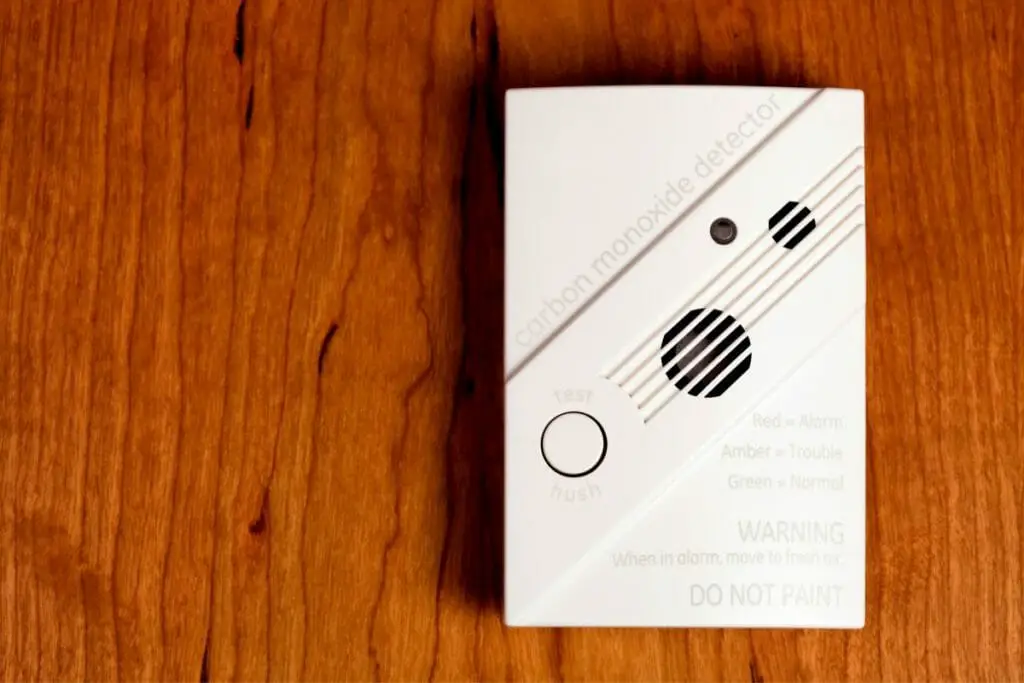
So, what does this safety net look like? There are a few variations to consider. You can find battery-operated detectors (great for portability or power outages), plug-in units (convenient for outlets), or hardwired systems that tie into your home’s electrical. Many even come as combination smoke and CO detectors, streamlining your safety setup. The key isn't just having them, but where to put them. Think about areas like near bedrooms, on every level of your home, and even near an attached garage if you have one. Homes with gas appliances or a cozy fireplace definitely warrant extra attention to placement.
Must Read
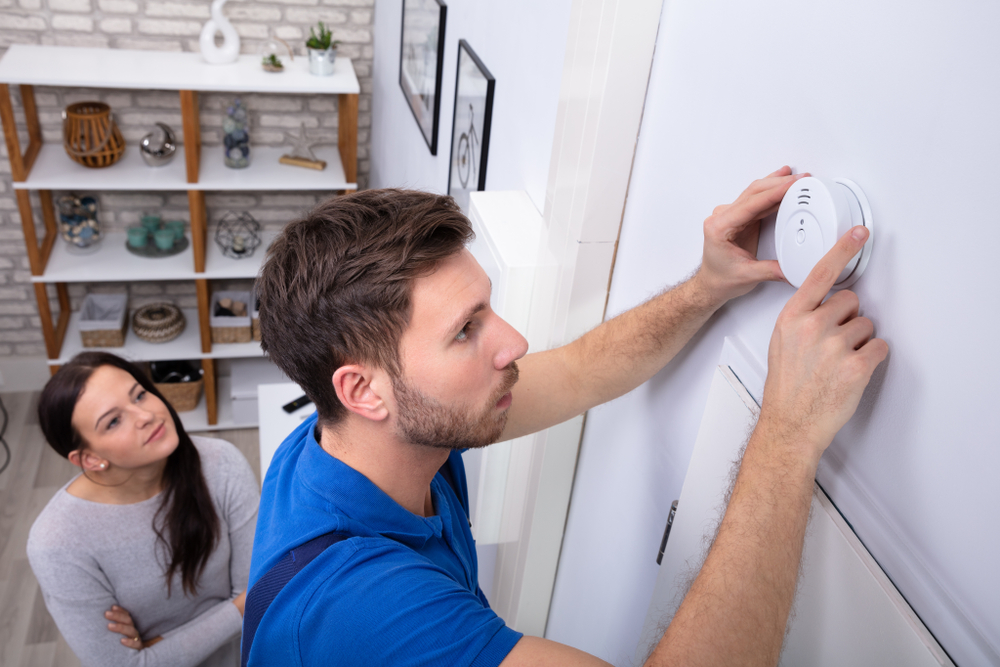
Ready to get started? Here are some simple, practical tips. The absolute minimum recommendation is to have at least one CO detector on every level of your home, including the basement, and specifically within 15 feet of all sleeping areas. If you have an attached garage, placing one nearby is a smart move, as vehicle exhaust can seep into your living space. When installing, remember to follow the manufacturer’s instructions carefully. Avoid putting them directly next to fuel-burning appliances or in "dead air" spaces like the very top of a vaulted ceiling. Once they're in, don't forget the maintenance: test them monthly, change batteries twice a year (if applicable, perhaps when you change your clocks), and critically, replace the entire unit every 5-7 years. Yes, they expire, so check that expiry date!
Ultimately, investing a little thought and a small amount of money into carbon monoxide detectors is one of the best things you can do for your home. It’s not about fear; it’s about preparation and, more importantly, the incredible peace of mind that comes from knowing you’ve taken a simple, effective step to protect what matters most. Enjoy the comfort of a safer home!