
How Many Carbon Monoxide Detectors Are Needed

Hey there, friend! Grab a cuppa, let's chat about something super important but, let's be honest, not exactly "fun" to think about. We're talking about carbon monoxide detectors. Yeah, yeah, I know. It's not exactly a thrilling topic like, say, binge-watching your favorite show. But trust me, this is one of those things that's a total game-changer for your peace of mind and, well, your very breath!
So, you've probably got one, right? Maybe a couple? But then the nagging question pops up: Am I doing enough? How many CO detectors are actually needed to keep everyone safe? It's not always as simple as "one per house," my friend. Oh no.
Why Carbon Monoxide is Such a Sneaky Scoundrel
First, a quick refresher on our invisible enemy. Carbon monoxide, or CO for short, is the ultimate silent killer. It’s colorless, odorless, tasteless. Seriously, it's sneakier than a cat burglar in a ninja suit. You literally won't know it's there until it's too late. That's why those little detectors are our absolute best defense, our tiny, beeping superheroes.
Must Read
It comes from all sorts of everyday things: furnaces, water heaters, gas stoves, fireplaces, even your car idling in the garage. Basically, anything that burns fuel. And if it's not venting properly? Bingo. CO starts building up.
Okay, So How Many Do I REALLY Need?
Alright, let's get down to brass tacks. The general consensus, and what the pros will tell you, is this: at least one carbon monoxide detector on every single level of your home. Yep, every floor. Basement, main floor, upstairs bedrooms – the whole shebang. Think of it like a protective shield, level by level.

But wait, there's more! Because we want to be extra safe, right? Like, "bubble wrap your brain" safe? So, let's dive a little deeper.
Near Sleeping Areas: Your Sleepy Safe Zone
This one is a biggie. You want a CO detector near, or ideally inside, every separate sleeping area. So, if you have three bedrooms, that's three detectors right there. Why? Because you're most vulnerable when you're asleep. You wouldn't wake up to the smell or sight of CO, because there isn't any! The alarm needs to be close enough to jolt you awake and alert everyone.
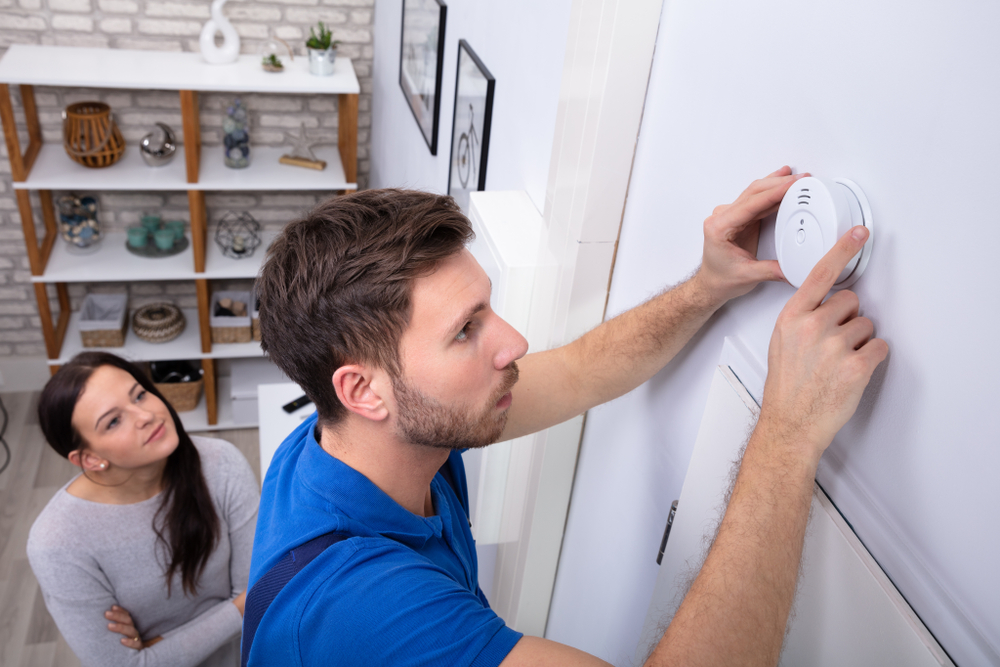
Imagine your kiddo sleeping soundly. You want that detector shouting for help if anything goes wrong, right next to their door. Peace of mind, people!
Attached Garages: The Fumes' Freeway
Got an attached garage? Hello, another prime spot! Exhaust from your car, even if you just start it for a minute to warm up, can easily seep into your living space. So, place a detector in the room adjacent to your attached garage. It's like having a little guard dog at the entry point for those nasty fumes.
Near Fuel-Burning Appliances: The Source Spotters
Think about where the CO might originate. Your furnace? Water heater? Fireplace? Gas clothes dryer? These are all potential culprits. While you don't need one right next to the appliance (sometimes the normal gases can trigger false alarms), having one in the general area or hallway leading to these utility areas is a smart move.

It's about catching it early, before it has a chance to spread too far and wide. Kinda like having eyes on the factory floor, ya know?
So, Is More Always Better?
In the case of CO detectors, the answer is a resounding, "YES! Absolutely!" You honestly can't have too many. If you're wondering if you should add another one, the answer is probably yes. They're not super expensive, and the cost of not having one... well, let's not even go there.
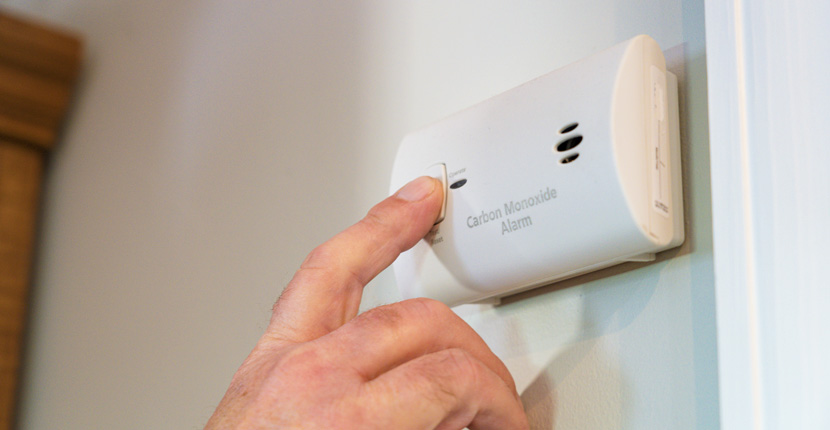
Think of them as small, vigilant guardians. Each one adds another layer of protection. They're worth their weight in gold, or at least in breathable air.
A Few Quick Tips While We're Here:
- Placement: CO tends to mix with air, so unlike smoke detectors (which are often high), CO detectors can be placed at various heights. Some recommend chest height, others suggest following manufacturer instructions – always do that part!
- Avoid Dead Zones: Don't put them right next to vents, windows, or doors where drafts might interfere with their readings.
- Test Them! Most have a little test button. Push it once a month! It's like checking the batteries in your remote, but way more important.
- Know Their Lifespan: CO detectors don't last forever. Typically, they're good for 5-7 years. After that, they need to be replaced. They literally expire! Check the date on the back.
- Combination Detectors: Many units now combine smoke and CO detection. Super convenient, but just remember to replace them according to the shorter lifespan of the two, usually the CO detector part.
Whew! That was a lot, but I hope it helps clear things up. The main takeaway? Be proactive. Don't wait for something to happen. Go take a quick inventory of your detectors. If you're short, don't sweat it, just grab a few more. Your lungs (and your family!) will thank you for it.
Stay safe out there, my friend!