
How Many Btus For 1000 Sq Ft

Hey there, ever wonder about those mysterious letters, BTU? You know, the ones plastered on air conditioners and heaters? It sounds super techy, right? Like something out of a sci-fi movie. But lemme tell ya, figuring out how many BTUs you need for a 1000 sq ft space is actually a pretty fun, quirky puzzle. It’s less about complex math and more about understanding your home’s vibe!
What in the World is a BTU Anyway?
First off, let's demystify BTU. It stands for British Thermal Unit. Sounds incredibly proper, doesn't it? But really, it's just a fancy way to measure heat energy. Imagine this: one BTU is the amount of energy needed to raise the temperature of one pound of water by one degree Fahrenheit. Think of it like a tiny, invisible heat spark. A single burning wooden match? That’s about one BTU. Now, imagine a lot of matches to heat your whole house!
So, when we talk about a 10,000 BTU air conditioner, we're talking about a unit that can remove 10,000 of those little heat sparks from your space every hour. For heating, it's adding them. Pretty neat, huh?
Must Read
1000 Sq Ft: Not a Simple Number, My Friend!
You'd think, "Okay, 1000 square feet, give me the number!" But oh, if only it were that simple! This isn't a one-size-fits-all kind of deal. It’s like asking how much coffee you need to wake up – depends if you’re a sleepy sloth or a morning bird, right? Your 1000 sq ft home has its own unique personality, and that personality dictates its BTU needs.
Trying to slap a single BTU number on 1000 sq ft is like trying to guess your favorite ice cream flavor just by knowing your shoe size. Totally unrelated!
The Quirky Factors That REALLY Matter
1. Where You Live (It's a Big One!)
Are you chilling in chilly Minnesota or basking in sunny Florida? This is probably the biggest factor. A house in a colder climate needs way more BTUs for heating than one in a temperate zone, and vice-versa for cooling. Your home isn't just a box; it's a box responding to the weather outside!

Imagine living in a place where it snows sideways in winter. You'll need an absolute furnace of BTUs to stay toasty. But if you're near a beach, your cooling BTUs are going to be working overtime.
2. Your Home's Fashion Sense (Insulation & Windows)
Is your house wearing a thick, cozy sweater (good insulation) or is it strutting around in a breezy mesh tank top (poor insulation or old, drafty windows)? Good insulation is like a superhero cape, keeping heat in during winter and out during summer. Old, single-pane windows? They’re like open doors for heat to escape or sneak in. All these bits and bobs change your BTU game dramatically.
Think of those fancy, energy-efficient windows. They're basically tiny thermal guardians, doing their best to keep your precious BTUs exactly where they belong.

3. Ceilings, Sunlight, and Social Gatherings
Got high ceilings? That means more air to heat or cool, so you’ll need more BTUs. Is your living room drenched in sunlight all afternoon? That's free heat, baby! But it also means more cooling BTUs needed in summer. And how many people are usually in your 1000 sq ft? Each person is like a tiny, walking heater, adding about 400 BTUs per hour to the space. Got a big family or host lots of parties? Factor in those human BTUs!
Even your toaster oven kicking into gear adds some BTUs. It’s a whole ecosystem of heat exchange!
4. Your Personal "Goldilocks Zone"
This is where it gets really fun and personal. Some people love their space to feel like a tropical sauna; others prefer an arctic chill. What's your ideal temperature? Your comfort preference is a crucial, non-negotiable factor. There's no point having a perfectly sized BTU system if it doesn't make you happy!
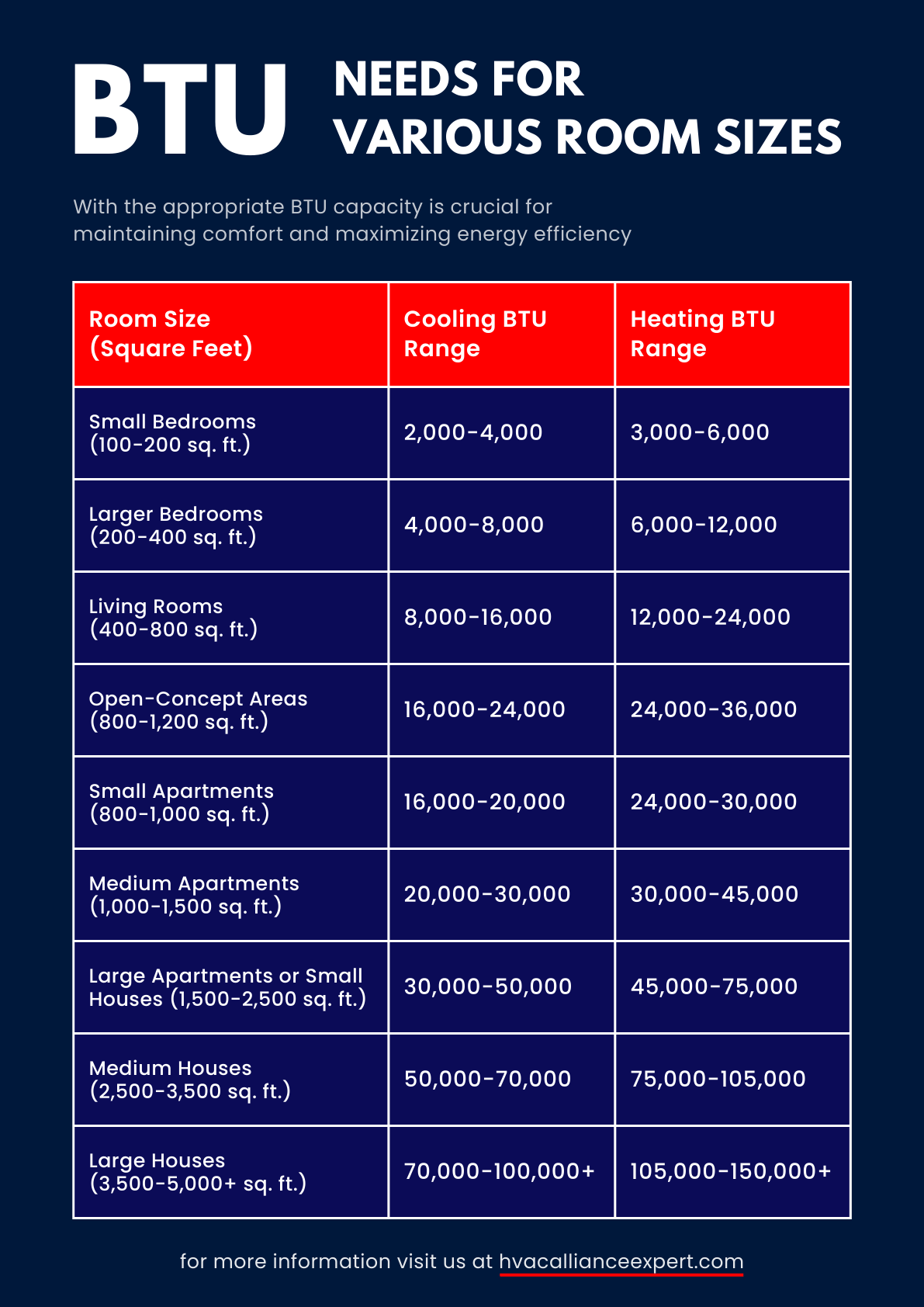
So, What's the Ballpark for 1000 Sq Ft? (With HUGE Caveats!)
Okay, okay, if you're absolutely insisting on a rough starting point, some super general rules of thumb exist. For heating, a very, very loose estimate might be around 20-60 BTUs per square foot, depending heavily on your climate. So for 1000 sq ft, that could be anywhere from 20,000 to 60,000 BTUs. See how wide that range is?!
For cooling, a common, very general rule might be around 20-25 BTUs per square foot for moderate climates. So, for 1000 sq ft, you might be looking at 20,000 to 25,000 BTUs. But please, for the love of comfy homes, don't just pick a number from here!
These are just finger-in-the-wind estimates, good for absolutely nothing more than scratching a curiosity itch. Relying on them for buying equipment is like choosing a car based on its color alone – you're probably going to regret it!

The Takeaway: Don't Guess, Get a Pro!
The fun part of knowing all these quirky BTU factors is understanding why it's complicated. The serious part? Getting it wrong can lead to huge headaches. Too few BTUs and your system constantly struggles, hiking up energy bills. Too many, and your system cycles on and off too frequently, leading to inefficiency, poor dehumidification (hello, clammy house!), and a shorter lifespan for your expensive equipment.
So, for your 1000 sq ft haven, the best advice is always to consult an HVAC professional. They do a proper "load calculation," which sounds super serious, but it just means they factor in all these fun details about your specific home to give you the perfect BTU match. It’s worth every penny for true comfort and efficiency!
Knowing about BTUs makes you appreciate the unseen science keeping your home just right. It’s a little bit of magic, a little bit of physics, and a whole lot of cozy comfort!