How Many Btu Of Heat Per Sq Ft

Ever wonder why some rooms feel like a tropical paradise while others are more like an arctic expedition, even in the same house? Or perhaps you're just curious about how your home magically stays cozy warm in winter and blissfully cool in summer. Well, get ready to dive into the wonderfully practical and surprisingly fascinating world of BTU per square foot! This isn't some super technical jargon reserved for HVAC engineers; it's a fundamental concept that helps us all understand and achieve ultimate home comfort and efficiency.
So, what exactly are we talking about? BTU stands for British Thermal Unit – it's a standard unit of energy. Think of it like a calorie for heat. One BTU is roughly the amount of energy needed to raise the temperature of one pound of water by one degree Fahrenheit. When we talk about "BTU per square foot," we're essentially asking: how much heating or cooling power does a specific area of your home need? It’s like figuring out how much fuel your car needs based on its size and how far it needs to go. A tiny smart car doesn't guzzle gas like a massive RV, right? The same principle applies to your living space!
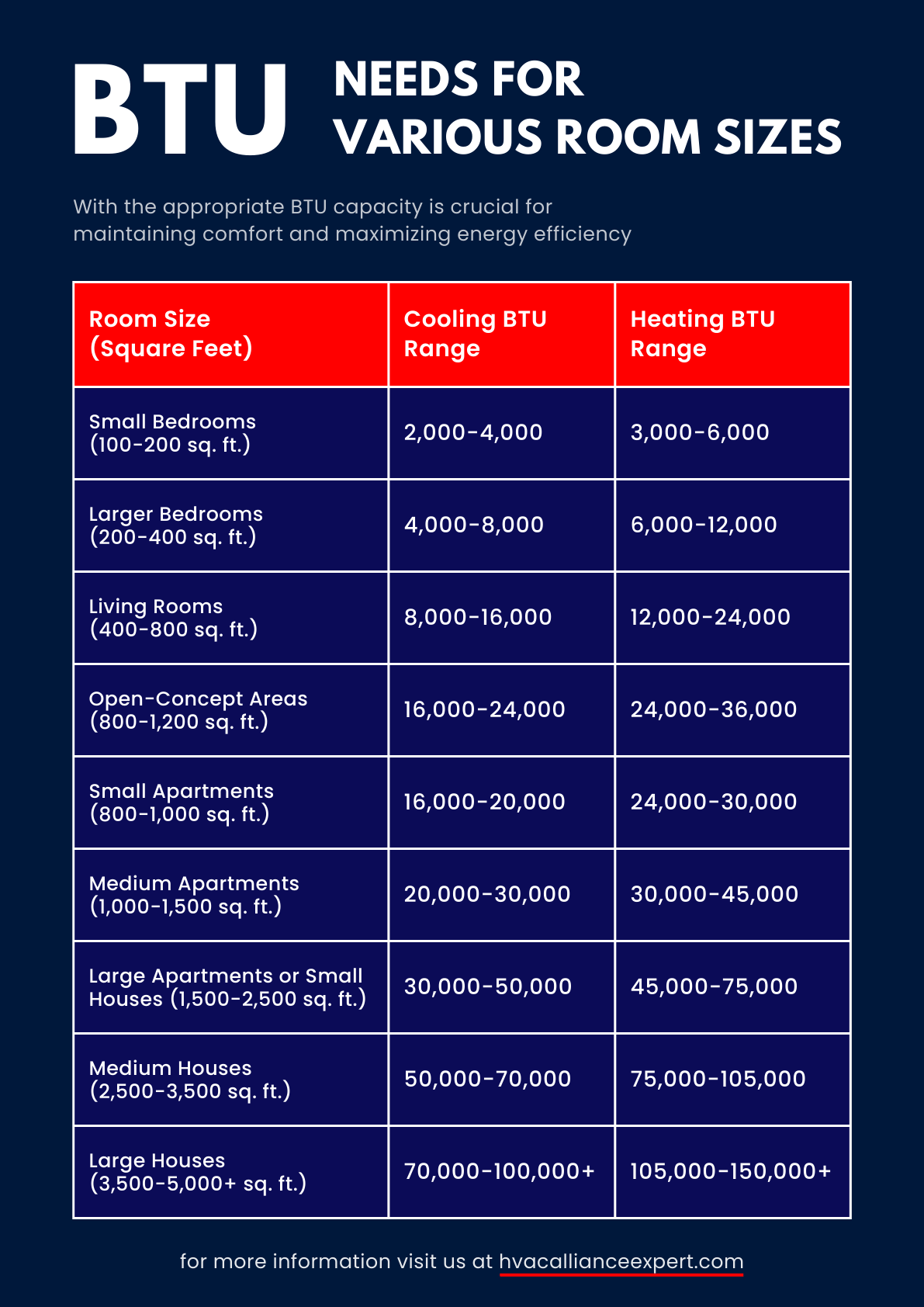
The primary purpose of understanding BTU per square foot is to correctly size your heating and cooling systems. This is critically important for a multitude of reasons. Imagine buying shoes that are too big – you'd trip, scuff, and generally be uncomfortable. Too small, and your feet would ache! The same goes for your furnace, air conditioner, or even a simple space heater. An undersized system will struggle to keep up, constantly running without ever reaching your desired temperature, leaving you chilly in winter or sweaty in summer. This leads to discomfort and higher energy bills because it’s always working overtime.
Must Read
On the flip side, an oversized system isn't better! It cycles on and off too frequently (this is called "short cycling"), leading to uneven temperatures, reduced efficiency, and unnecessary wear and tear on expensive equipment. It might blast a room with heat for a short burst, then shut off, only for the room to cool down quickly again, never achieving a stable, comfortable temperature. Plus, oversized air conditioners don't run long enough to effectively dehumidify the air, leaving you with that clammy feeling even when it's cool.
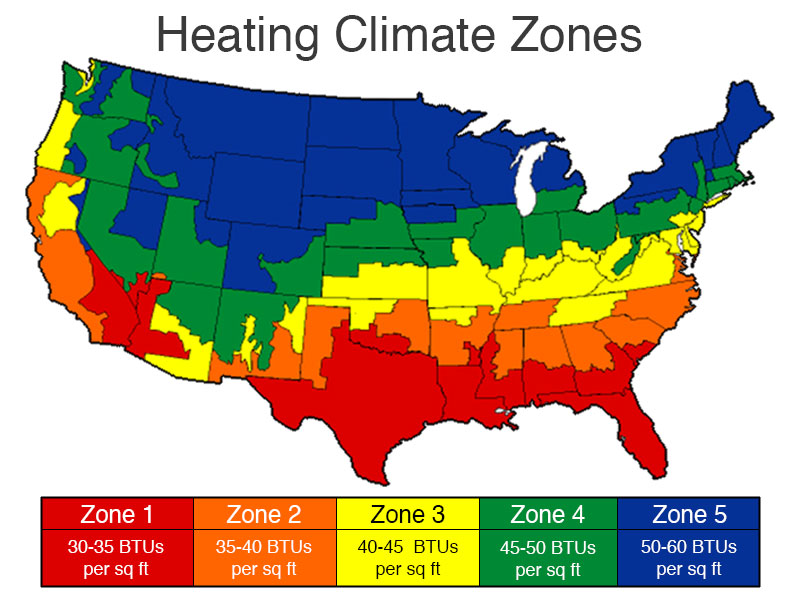
The benefits are clear: optimal comfort, lower energy bills, and longer equipment life. Knowing the approximate BTU per square foot your home requires empowers you to make smarter decisions, whether you're replacing an old HVAC system, adding an extension, or simply trying to figure out why one room is always colder than the rest. Factors like insulation quality, window type and number, ceiling height, and your local climate all play a huge role in determining the actual BTU per square foot needed. While a professional "load calculation" is always best for precise sizing, having a general understanding helps you ask the right questions and ensures your home remains a haven of perfect temperature year-round. It’s all about working smarter, not harder, to keep your home just right!