How Many Amps Will A 100 Watt Solar Panel Produce
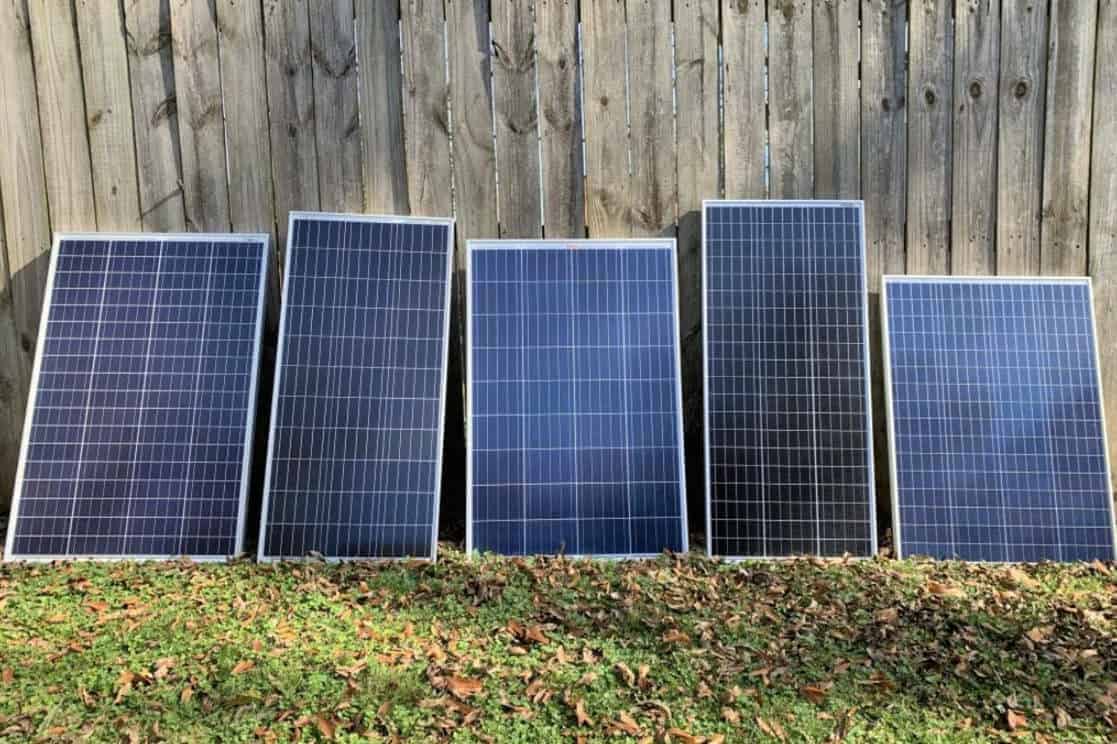
Solar panels! They're popping up everywhere, from rooftops to camping gear. Maybe you're curious about joining the solar revolution, or perhaps you just want to power your phone on a hiking trip. Whatever your reason, understanding the basics is key, and one of the most common questions is: "How many amps will a 100-watt solar panel produce?" Let's break it down in a way that's easy to understand and even a little fun.
For beginners dipping their toes into the world of solar, knowing the amperage output of a panel is crucial for understanding what you can actually power. It's like knowing how much water flows through a pipe - it tells you what you can fill! For families planning a camping trip, a 100-watt panel can be a game-changer, allowing you to keep devices charged, power a small fan, or even run a portable refrigerator. It means staying connected and comfortable while enjoying the great outdoors. And for hobbyists, understanding the power output is essential for building custom projects like solar-powered chargers, DIY lighting systems, or even miniature off-grid setups.
So, how many amps are we talking about? Well, it's not just about the wattage. Voltage plays a big role. Remember the basic formula: Watts = Volts x Amps. A standard 100-watt solar panel typically operates at around 12 volts. Therefore, to find the amps, we rearrange the formula: Amps = Watts / Volts. So, 100 watts / 12 volts = approximately 8.3 amps. But here's the catch: that's the ideal output. In reality, factors like sunlight intensity, panel temperature, and even shading can affect the actual amperage produced. You might see closer to 5-7 amps under real-world conditions.
Must Read
Think of it like this: a 100-watt panel is like a small, portable power station. It's perfect for charging smaller devices. For example, a smartphone might require around 1-2 amps to charge. A tablet might need 2-3 amps. A 100-watt panel, in good sunlight, can easily handle these tasks. Variations include panels designed for different voltages. Some are designed for 18V systems, which can affect the amperage output. There are also flexible solar panels that are great for mounting on curved surfaces, like RVs, but their performance is generally the same as rigid panels of the same wattage.

Practical Tips for Getting Started:
- Invest in a charge controller: This regulates the voltage and amperage going to your battery, preventing overcharging and damage.
- Position is key: Angle your panel directly towards the sun for maximum output. Experiment with different angles throughout the day.
- Keep it clean: Dust, dirt, and bird droppings can significantly reduce performance. Wipe your panel down regularly.
- Start small: Don't feel like you need to build a massive solar array right away. Begin with a single 100-watt panel and experiment to see what it can do.
Exploring solar power, even on a small scale, can be incredibly rewarding. From powering your phone on a weekend camping trip to building a custom solar project, understanding how many amps a 100-watt panel produces is the first step in harnessing the sun's energy and enjoying the freedom and independence that comes with it. So, get out there, soak up some sun, and have fun experimenting with solar!