
How Many Amps To Charge A Phone

Ah, the modern dilemma. You grab your phone, eyes widening as you see that dreaded red sliver of battery. Panic sets in. Where’s the charger? Which charger?
Then, if you’re anything like me, a tiny voice in your head might wonder, “How many amps does this thing need?”
And just like that, a perfectly good moment of existential dread over a dying battery is hijacked by a technical question. Amps. Volts. Watts. It’s enough to make your brain short-circuit.
Must Read
The Great Amp Mystery: Do We Even Care?
Let's be honest with ourselves, shall we? When your phone is gasping for juice, do you really whip out a multimeter?
Do you meticulously compare the tiny, almost invisible print on your charger brick to the even tinier print on your phone’s spec sheet? I didn't think so.
My highly unscientific, yet deeply felt, unpopular opinion is this: for 99% of us, the exact number of amps is about as relevant as knowing the precise gravitational pull of the moon on your toenails.
We just want it to work. And ideally, to work fast.
Unmasking the Amperage
But for those brave souls who dare to peek behind the curtain, what exactly are we talking about? An amp, or ampere, is simply a unit of electric current.
Think of it like the "speed limit" for electricity flowing into your phone. More amps generally mean more power flowing at once, which usually translates to a faster charge.
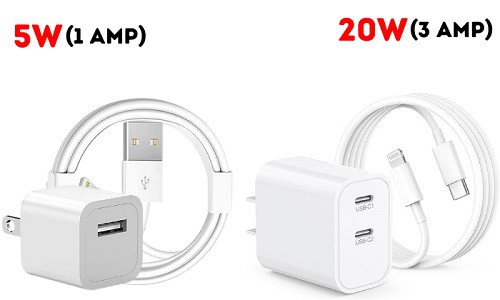
Most phones these days will happily sip anywhere from 1 amp to 3 amps, sometimes even more for super-fast charging. It’s a spectrum, not a single magic number.
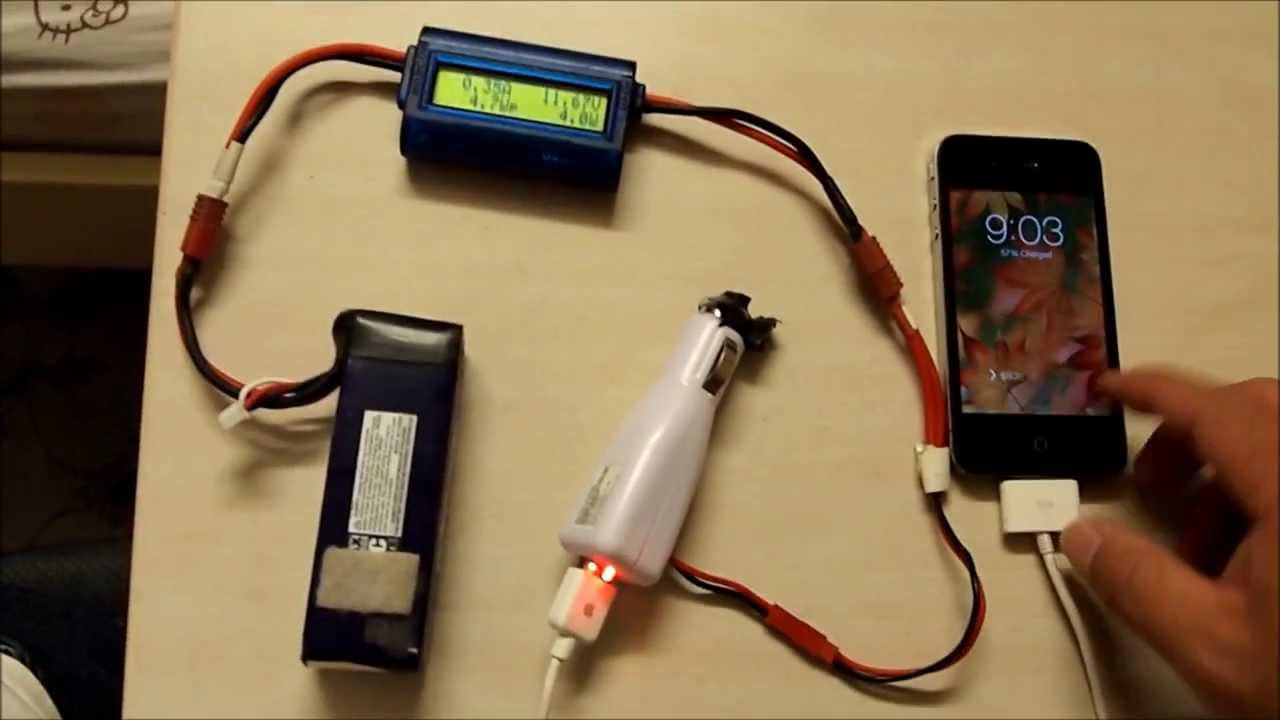
The charger, the cable, and your phone all play a part in this electric tango. If one of them isn't up to snuff, you're looking at slower charging, regardless of what the "ideal" amp rating might be.
The Charger Drawer of Doom
We all have one. That tangled mess of cables and bricks from phones long past. A veritable archaeological dig of charging technology.
You pull out a charger that looks vaguely familiar. It's white. It has a USB port. Good enough, right?
You plug it in, watch that little battery icon, and… it's charging. But is it charging with the optimal amperage? Who knows? Who cares?
Your phone certainly cares in its own silent, electronic way. But for us, the end-users, it's often a game of "will it charge, or will it just sit there mocking me?"
The quest for the perfect amp match feels like searching for a specific grain of sand on a very large beach. An unnecessary quest, perhaps.
The Fast Charge Mystique
Nowadays, everyone talks about fast charging. It’s the holy grail, the technological equivalent of a superhero cape for your phone.
This is where amps and their cousin, volts, really come into play. Modern fast chargers often deliver higher voltage and higher amperage simultaneously.
It’s like turning a trickle of water into a roaring river, filling your phone's battery bucket much quicker. You can often see chargers advertised with "18W," "25W," or even "45W."
Watts, by the way, are amps multiplied by volts (a bit like saying how much "oomph" it has). More watts generally mean faster charging. But again, are you doing the math?
Probably not. You're probably just appreciating that glorious, rapid percentage climb. That's the real magic.
The "It Just Works" Mentality
My argument, my delightful and possibly unpopular stance, is that we’ve been conditioned to overthink this.
For most phones bought in the last few years, a decent modern charger will provide enough amps to charge it perfectly well. Often, it will even fast charge.
The charger that came with your phone? Probably optimized for it. A reputable third-party charger from a known brand? Also likely to be perfectly fine.
The days of truly underpowered chargers being a common issue are largely behind us. Even cheap car chargers often deliver a respectable punch now.
So, instead of agonizing over 2.1A vs. 2.4A, maybe we should just embrace the simplicity.
When to (Slightly) Care
Okay, I admit, there are some instances where a fleeting thought about amps might be useful. If your phone is charging at a glacial pace, like a snail trying to escape quicksand, then perhaps your charger is truly ancient.
An old 0.5 amp charger from a really old phone might struggle with a modern smartphone. It would eventually charge it, yes, but you could probably knit a sweater in the time it takes.
Also, if you're trying to charge a large tablet, which demands more power, with a tiny phone charger, you might run into issues. Tablets are like hungry teenagers; they need more sustenance.
But for your average smartphone, with an average charger from the last few years, the amp debate is mostly academic. It’s like discussing the optimal thread count for toilet paper.
Interesting, perhaps, but ultimately, you just want it to get the job done effectively and comfortably.
Embrace the Ignorance (Blissfully)
So, the next time your phone's battery icon screams for help, don't let the technical jargon tie you in knots. Grab a charger that looks relatively new and reputable.
Plug it in. Observe the charging icon. Is the percentage climbing at a reasonable clip? Fantastic! You’ve successfully navigated the treacherous waters of electrical engineering without even trying.
The beauty of modern electronics is that they're designed to be smart. Your phone will only draw as many amps as it safely can, regardless of what the charger could theoretically push.
It’s a bit like a polite diner; it won't take more food than it can eat, even if the buffet is overflowing. So, your phone generally protects itself.
The real question isn't "How many amps?" It's "Is it charging? And is it fast enough for my impatient soul?"
The Bottom Line (Spoiler Alert: It's Simple)
In conclusion, while amps are indeed a real thing and crucial for engineers, for the everyday phone user, they're largely background noise.
Focus on getting a charger that delivers a decent amount of power (e.g., 18W or more if you want fast charging) and, crucially, a good quality cable.
A flimsy cable can undo the power of the best charger, choking the flow of those precious amps. Think of it as a clogged pipe.
So, relax. Smile. Your phone charging worries don't need to extend to understanding intricate electrical specifications.
Just plug it in, watch the numbers climb, and get back to your regularly scheduled scrolling. Your battery (and your sanity) will thank you.