
How Many Amps Does A Rv Ac Use

Oh, the glorious hum of an RV air conditioner! It’s the sweet symphony that keeps us cool, calm, and collected when the sun is blazing outside. But have you ever stopped to wonder, amidst all that glorious chill, just how much oomph your trusty AC unit is actually chugging down?
It's a question that tickles the brains of RVers everywhere, and it's a super important one for keeping your road-tripping adventures smooth and spark-free!
The Big "It Depends" Adventure!
Alright, let’s dive right into the sparkly waters of electrical knowledge! Asking "How many amps does an RV AC use?" is a bit like asking "How many scoops of ice cream does a person eat?" It totally depends, right?
Must Read
Are we talking a tiny, delicate sorbet, or a mountainous, fudge-covered sundae? Your RV AC is similar; its appetite for amps varies wildly.
Tiny Taster vs. Grand Feast: AC Unit Size Matters!
First up on our menu of factors is the sheer size of your cooling champ. RV air conditioners are measured in BTUs, which stands for British Thermal Units, and it basically tells you how powerful they are.
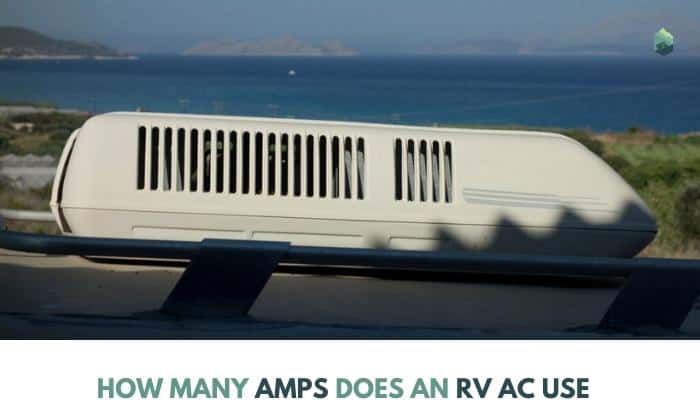
Think of it like this: a smaller 8,000 BTU unit is like a friendly little desk fan, just gently nudging the air. It sips power, usually around 7 to 9 amps when it's happily humming along.
Then you have the ever-popular 13,500 BTU units. These are the workhorses, the champions of most RVs, ready to tackle a decent amount of heat. They’ll typically gobble up around 12 to 15 amps during normal operation.
And for the really big rigs, or those with dual units, you might find mighty 15,000 BTU monsters! These are the heavy hitters, the ones that laugh in the face of triple-digit temperatures. Expect them to feast on 14 to 17 amps, or even a bit more, each!

Starting Amps: The Mighty GULP!
Now, here's where things get really exciting, or potentially breaker-tripping, if you're not ready for it! There's a huge difference between the amps an AC unit uses when it's running smoothly and the amps it needs for that initial start.
Imagine pushing a really heavy shopping cart from a dead stop. You need a big, sudden burst of energy, right? That's your AC unit revving up its compressor!
This initial surge, often called LRA (Locked Rotor Amps) or starting amps, can be an absolute powerhouse gulp. It can be 2 to 3 times higher than the running amps, sometimes even more!
For a split second, your 15-amp running AC might demand a whopping 40-60 amps to just get going! It’s like a tiny electrical earthquake!
This sudden demand is why sometimes a weak generator or a tired old campground breaker might throw a little fit and trip. Don't worry, it's just trying to protect itself from that big initial electrical hug!
Age, Efficiency, and Outside Temperature: The Whispers of Power!
Our story doesn't end with just size and starting surges! Just like us, AC units can get a little less spry with age. An older, less efficient unit might just require a few more amps to do the same job as a shiny new one.
And let's not forget the biggest adversary: the sun itself! When it's a scorching 100 degrees Fahrenheit outside, your AC has to work much, much harder to transform your RV into a glorious icebox. This extra effort translates directly into a slightly higher amp draw.
So, a unit that sips 13 amps on a mild 80-degree day might guzzle 15 amps when it's fighting a brutal heatwave. It's like asking a marathon runner to sprint up a hill – more effort, more energy!
So, What Does This Mean for YOUR RV Adventure?
Understanding these amp numbers is like having a superpower for your RV life. It helps you avoid those pesky tripped breakers and keep your cool, literally!
Shore Power Shenanigans:
Most RV parks offer 30-amp or 50-amp pedestals. If you have a 30-amp hookup, you've got a total of 30 amps to play with for everything in your RV.
Running a 15-amp AC, plus your microwave, coffee maker, and maybe a hairdryer? That 30-amp limit suddenly feels very, very cozy. You become an amp-juggling wizard!
A 50-amp hookup is like hitting the jackpot – it gives you two separate 50-amp lines, effectively providing a glorious 100 amps of total power! With that kind of juice, you can practically run a small theme park inside your RV!
Generator Genius:
If you love to boondock or adventure off-grid, your generator becomes your best friend. But you need to size it right!
A generator needs enough continuous watts to handle your running amps and, critically, enough surge watts to handle those powerful starting amps from your AC.
If your AC needs 60 amps to start, but your generator only provides a surge of 30 amps, you're going to hear a sad little sputter instead of a glorious hum. Always check those generator specs carefully!
Many folks find a 2,000-watt generator is just barely enough for a single 13,500 BTU AC (especially with a Soft Start device!). A 3,000-watt or larger generator offers much more breathing room.
Battery Boogie (and the Reality Check!):
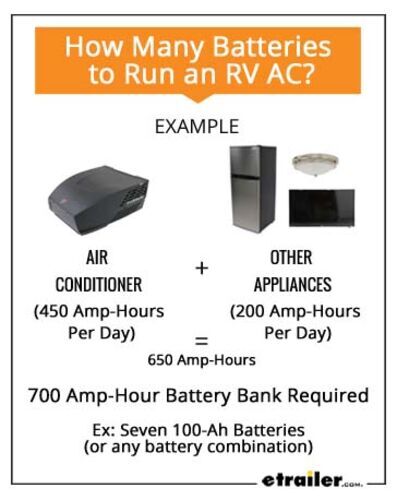
Can you run your RV AC off your batteries and inverter? Technologically, yes! Practically... it’s often a very, very short boogie.

RV AC units are incredibly power-hungry. Running even a modest 13,500 BTU AC for an hour dramatically drains a substantial battery bank. You'd need a huge inverter and massive batteries.
It's generally not practical for extended use unless you have a truly epic solar array or a very specific, high-tech setup. For most of us, it's generators or shore power for those AC delights!
Become an Amp-Saving Superhero!
Want to be kind to your RV's electrical system and maybe even save a little energy? Here are some fun tips:
- Pre-Cool Like a Pro: Blast that AC before the day gets scorching. It's easier to maintain cool than to create it from scratch.
- Park in the Shade: This is a no-brainer! A shady spot can cut down your AC's workload dramatically, saving precious amps.
- Close Those Blinds: Treat your RV like a cozy cave. Keep the sun out with reflective window covers or blinds to help your AC chill more efficiently.
- Clean Filters: A clogged filter is like trying to breathe through a pillow. Clean yours regularly to let that cool air flow freely and reduce strain on the unit.
- The Magical Soft Start: These clever little devices are like fairy godmothers for your AC. They dramatically reduce those scary starting amps, making it easier for smaller generators or 30-amp hookups to handle your cooling needs. It's truly a game-changer!
You're an Amp-Knowing RV Wizard!
See? It wasn't so scary after all! You're now equipped with the dazzling knowledge of how many amps your RV AC slurps up, and why it's such an important piece of the RV puzzle.
Whether you're planning your next boondocking adventure or just trying to keep the lights on (and the fridge cold!) at the campground, understanding your AC's appetite will make your journey smoother, cooler, and infinitely more enjoyable.
So go forth, magnificent RVer, and may your adventures always be perfectly chilled!