Ever found yourself gazing at your kitchen's unsung hero, the humble refrigerator, and wondered about its secret electrical life?
You might ponder, "Just how much electrical muscle is this magnificent cold box flexing, anyway?" It’s a perfectly normal, wonderfully curious question that often floats around!
Your fridge, diligently keeping your ice cream perfectly scoopable and your leafy greens wonderfully crisp, seems to hold an unspoken electrical mystery. Well, today, we’re going to unravel that with a hefty dose of fun and zero confusing jargon!
The Chiller's Secret Power: How Many Amps When It's Just Chillin'?
Let’s cut straight to the good stuff and demystify this electrical conundrum, shall we? When your beloved refrigerator is simply doing its thing, maintaining that gloriously perfect internal temperature, it’s not putting on a massive electrical light show.
For the vast majority of modern, average-sized refrigerators, you're looking at a surprisingly modest electrical draw. We are talking about a gentle, friendly sip of power, typically in the neighborhood of 3 to 5 amps.
Isn’t that just splendid news? To put it into perspective, that’s often less power than what some hungry hair dryers demand just to give you that perfect, voluminous look!
Your fridge is far more Zen about its power needs, chilling out (pun absolutely intended!) with a consistent, steady flow of electricity. It’s more of a gentle hum than a power-hungry roar.
When happily running, most refrigerators are content to sip a humble 3 to 5 amps. They’re the definition of cool and collected!
This gentle, steady electrical draw is a beautiful thing for your electricity bill. Your fridge isn't constantly guzzling power; it’s more like it's enjoying a leisurely, never-ending iced tea.
Of course, a grand, super-sized, feature-packed fridge might nudge those numbers up a smidge, perhaps towards 6 or 7 amps when running. But even then, we’re not talking about a beastly, electricity-devouring monster!
Think of your fridge as a marathon runner, not a sprinter. It’s designed for sustained, efficient performance, only drawing power when its internal temperature needs a little tweak.
So, next time you reach for a perfectly chilled beverage, give your fridge a silent nod of appreciation. It's a master of energy efficiency, doing its vital work without making a fuss.
It cycles on and off throughout the day, intelligently deciding when to kick into gear. This smart on-and-off dance keeps its overall energy footprint surprisingly light.
You can absolutely breathe a sigh of relief knowing that your kitchen’s central hub isn’t silently plotting to drain your power grid. It’s a loyal, efficient team player in your home's electrical ecosystem!
Older Models and Their Amp Adventures
Even venerable, older refrigerators, while perhaps a touch less efficient than their spanking-new counterparts, are still not likely to be the biggest power hogs in your home.
How Many Amps Does A Refrigerator Use? | Fridge.com
They might nudge towards the higher end of the running amp scale, but still within perfectly reasonable limits. It’s truly marvelous how these appliances keep our food safe and fresh.
It's a testament to clever, enduring engineering that provides such a crucial service with relatively modest ongoing power draw. Truly fascinating stuff!
The Startup Shimmy: When Your Fridge Flexes Its Muscles (Just for a Second!)
Now, here's where things get a tiny bit more dramatic, but please, don't panic! When your refrigerator's compressor first kicks on, it needs a little extra juice to get things going.
Imagine pushing a heavy car from a standstill; it takes more effort to get it rolling than to keep it moving. Your fridge's compressor is a bit like that heavy car!
This initial burst of power is known as the startup surge or inrush current. It’s a momentary electrical flexing of muscles, and it happens incredibly fast.
During this brief moment, a refrigerator can pull anywhere from 8 to 15 amps, or sometimes even a bit more, for a mere fraction of a second. Yes, that sounds like a bigger number, doesn't it?
Don't fret about the startup surge! It's a quick, powerful wink (8-15+ amps) that lasts only an instant.
But remember, it's just a fleeting moment, a quick electrical sneeze, before it settles back into its gentle running state. Think of it as a superstar's grand entrance.
Modern refrigerators, especially those with fancy inverter technology, are even cleverer about this. They manage their startup surge with impressive grace, often making it less dramatic.
Your household wiring and circuit breakers are specifically designed to handle these momentary surges without breaking a sweat. It's all part of the electrical dance your home performs!
So, when you hear that familiar little "click" as your fridge kicks into gear, know that it's just doing its brief electrical stretch. It's not a sign of trouble, but rather a sign of normal, healthy operation.
This quick burst is precisely why you might notice a brief dimming of lights in an older home if your fridge shares a circuit. It’s just showing off its initial strength!
Why the Amp Variation? Decoding Your Fridge's Personality!
So, why isn't every fridge exactly the same when it comes to amps? Well, just like people, fridges have their own unique personalities and features!
How Many Amps Is A Fridge? | Fridge.com
One major factor is size. A compact mini-fridge cooling just a few sodas will naturally pull less power than a massive, side-by-side behemoth designed to feed a small army.
Then there's age. Older refrigerators, while charming, often aren't quite as energy-efficient as their sleek, modern counterparts. They might need a bit more juice to do the same job.
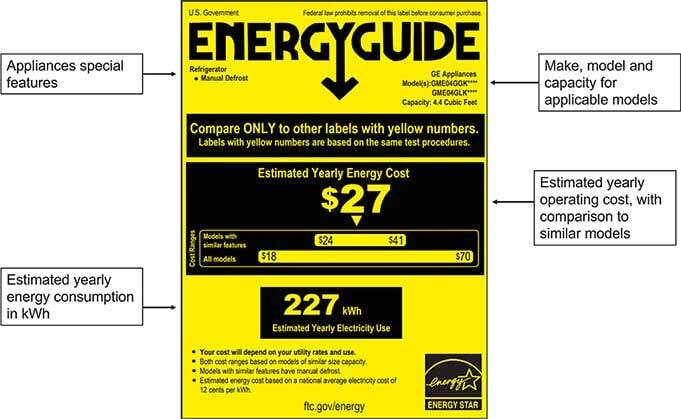
Newer models often boast fancy Energy Star ratings, meaning they're specifically designed to be electrical ninjas, doing more with less power.
Fridge amp draw depends on size, age, and energy efficiency. Each fridge is a unique snowflake!
Another factor is the actual temperature setting. A fridge working harder to keep things super-duper cold, or one that's frequently opened, will cycle more often and thus draw more power overall.
Features also play a role! An ice maker, a water dispenser, or even internal display screens add to the electrical load, albeit usually by a small amount.
Essentially, the harder your fridge has to work, the more often its compressor will run, and the more cumulative amps it will pull over a day or week. It's logical, right?
But even with all these variables, the core message remains: your fridge is generally a remarkably energy-efficient appliance, especially when compared to some other household gadgets.
Fridge vs. The World: How Does It Stack Up?
Let’s put those fridge amps into a truly relatable context, shall we? You might be surprised by how modest your fridge's power demands are compared to other things plugged into your home.
Remember that hair dryer we mentioned earlier? Many can pull anywhere from 10 to 15 amps, and sometimes even more, when running at full blast! Your fridge's running amps look positively tiny in comparison.
How about a mighty microwave oven? Zapping your leftovers can often demand a hefty 10 to 12 amps or more, just for a few minutes of glorious reheating.
Even a simple toaster, designed for that perfect golden brown, can easily pull 8 to 10 amps for a short burst. Your fridge running all day is often less electrically demanding than these short-burst champions!
Your fridge (3-5 amps running) is an electrical featherweight compared to your hair dryer (10-15 amps) or microwave (10-12 amps)!
How Many Amps Does A Fridge Pull: Your Guide
Think about a vacuum cleaner roaring around your house; those can easily hit 10 to 12 amps. Your fridge is quietly chilling, using far less power.
Even a powerful coffee maker brewing your morning pick-me-up can draw a solid 8 to 10 amps. It’s a quick draw, but it makes your fridge's steady hum seem incredibly modest.
So, the next time you feel a pang of worry about your fridge's power consumption, just remember these comparisons. It's truly a marvel of sustained, low-impact operation.
The Dedicated Circuit Question: Do I Need One for My Fridge?
Ah, the legendary dedicated circuit! This term often sparks a bit of anxiety, but let's clear the air and keep it fun and easy.
A dedicated circuit basically means your fridge gets its very own, private electrical highway from your main breaker panel. No other appliances are allowed on its exclusive road!
Is it always, absolutely, 100% necessary? Not necessarily for every fridge, but it's often a really, really good idea, and in many modern building codes, it's standard practice.
Why? Remember that startup surge we talked about? While your electrical system can handle it, having your fridge on a dedicated circuit prevents those momentary light dimmings you might see.
A dedicated circuit for your fridge is like giving it its own VIP electrical lane. Often a good idea, sometimes essential!
More importantly, it prevents overloading a circuit. Imagine if your fridge, microwave, and toaster all tried to hit their startup surges at the same exact moment on one shared circuit – things would likely trip!
This dedicated electrical pathway ensures that your fridge always has enough juice to kick on without any electrical drama. It provides a stable and reliable power source.
It's generally recommended for refrigerators, especially larger ones, to minimize electrical hiccups and ensure optimal performance. Think of it as premium electrical service for your food!
Keeping Your Fridge Happy (and Its Amps Low!): A Few Fun Tips
Want to make your fridge even more of an electrical superstar? A few simple habits can help it run even more efficiently, keeping those amp numbers sweet and low!
Firstly, don't leave the door gaping open like a forgotten cavern! Every time warm air rushes in, your fridge has to work harder, meaning it pulls more amps for longer.
How Many Amps Does A Fridge Freezer Use? | Fridge.com
Make sure those door seals (the gaskets) are clean and tight. If they're leaky, your fridge is literally letting cold air escape, forcing it to chug more power to compensate.
Keep your fridge relatively full! A full fridge (not overstuffed, mind you) uses the thermal mass of the food and drinks to help maintain cold temperatures, reducing compressor run time.
Want a happy fridge? Keep it full, doors closed, and coils clean! It’ll thank you with lower amp usage!
Clean those condenser coils at the back or bottom of your fridge regularly. Dust and grime act like a blanket, making the compressor work overtime to dissipate heat.
And speaking of placement, give your fridge a little breathing room! Don't push it flush against the wall; proper airflow helps it cool more efficiently.
These little acts of kindness go a long way in ensuring your fridge operates at peak efficiency, minimizing its power draw and keeping its internal components humming along happily.
The Grand Finale: Your Fridge is a Gentle Giant!
Phew! We’ve navigated the electrical currents and dodged those startup surges, comparing our fridge to everything from hair dryers to humble toasters.
What's the grand takeaway from our fun electrical adventure? Your refrigerator is, by and large, a remarkably efficient and relatively low-amp appliance!
It's certainly not secretly plotting to inflate your electricity bill; it's simply doing its very important job with surprising grace and electrical modesty.
Rest easy! Your fridge is a magnificent, efficient appliance, consuming modest amps and keeping your food perfectly chilled without a fuss.
So, next time you hear that gentle hum, or feel the inviting chill of its interior, give your fridge a knowing smile. You now understand its secret electrical life!
It's a testament to modern technology that such an indispensable appliance operates with such efficiency. It's truly one of the unsung heroes of your home.
Go forth, embrace your beautifully chilled world, and know that your fridge is a gentle giant, keeping everything cool without ever becoming a power hog. You’re doing great!