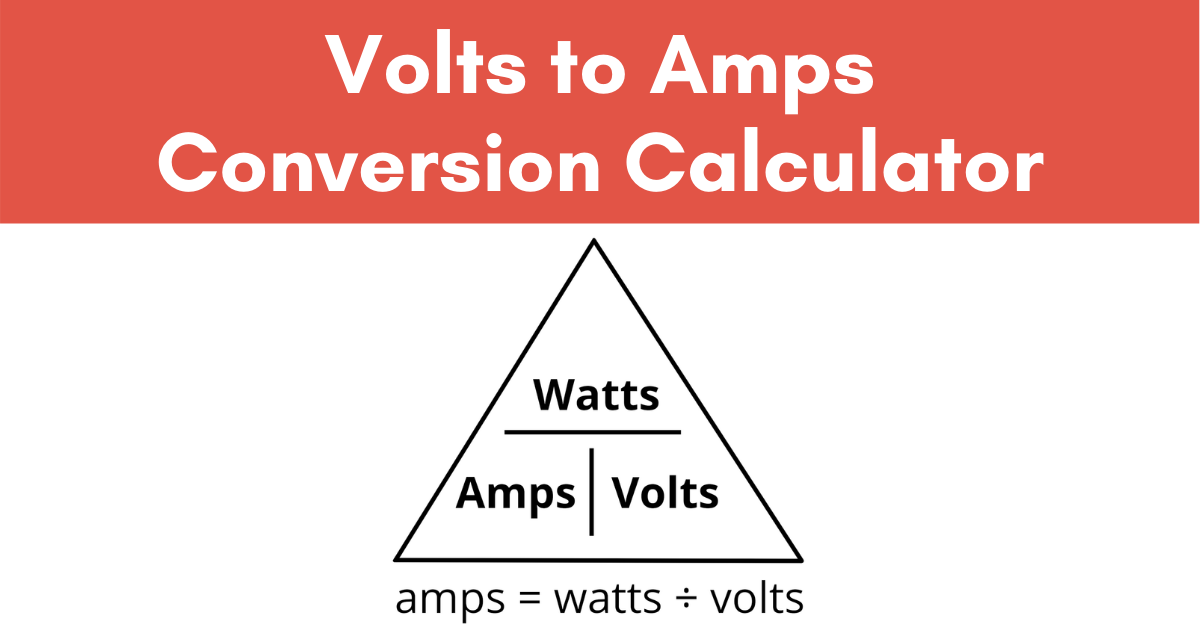
How Many Amps Are In 5 Volts
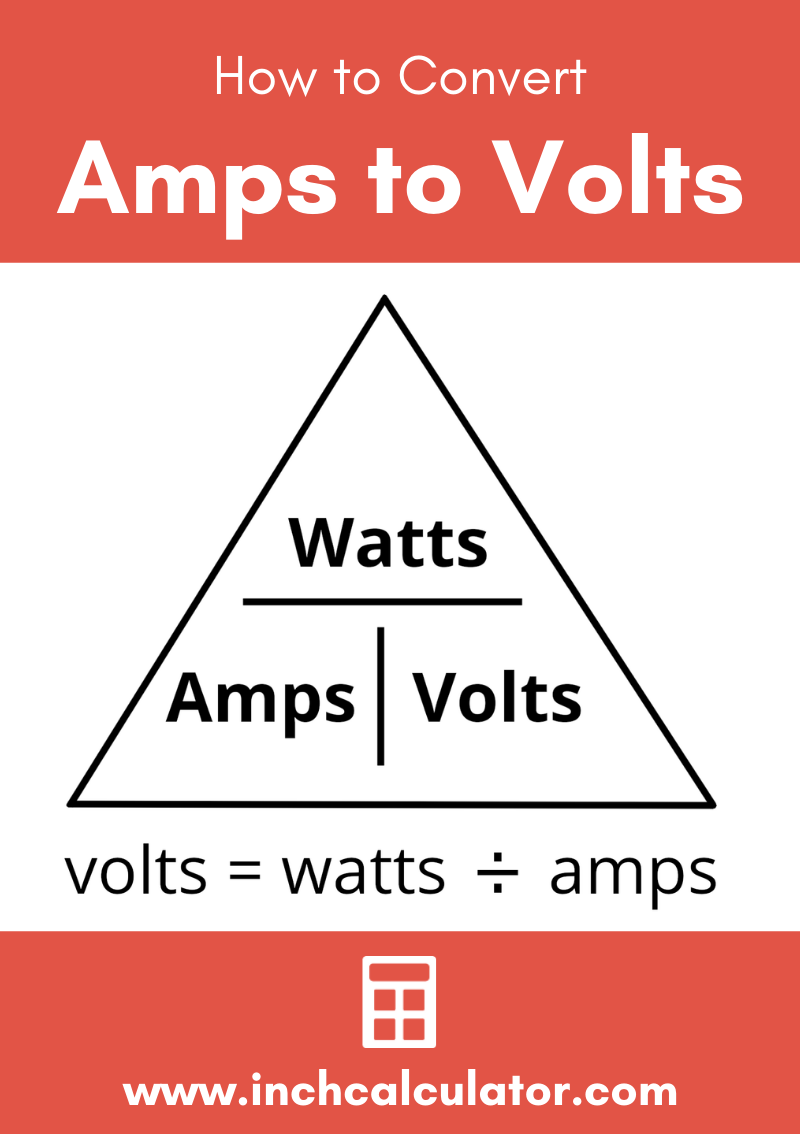
Ever gazed at the tiny print on your phone charger, laptop power brick, or even a humble battery, and seen terms like "5V" or "2A"? It's easy to wonder, "How many amps are in 5 volts?" It's a fantastic question because it touches upon the very heart of how our modern world is powered, and understanding it just a little bit can save you headaches (and maybe even a device or two!). This isn't just geeky knowledge; it's genuinely useful for anyone who plugs things into walls or USB ports.
The immediate, slightly tricky answer is: you can't directly convert volts into amps. It's like asking, "How many miles are in an hour?" Miles measure distance, and hours measure time. They're related when you're talking about speed, but one doesn't inherently become the other. Similarly, voltage and amperage measure different, but equally crucial, aspects of electricity.
Think of electricity flowing through a wire like water flowing through a pipe. Voltage (V) is like the water pressure in the pipe. A higher voltage means more electrical "push." Amperage (A), or current, is like the volume of water flowing through the pipe – how much electricity is actually moving. So, 5 volts tells us about the electrical pressure available, but not how much "flow" will actually occur.
Must Read
To figure out how many amps are in 5 volts, you need one crucial missing piece: resistance (R). Resistance is simply how much a circuit or device opposes the flow of electricity. Going back to our water analogy, resistance is like how narrow or wide the pipe is. A very narrow pipe (high resistance) will allow less water (current) to flow, even with high pressure (voltage). A wide pipe (low resistance) will let a lot more water flow.
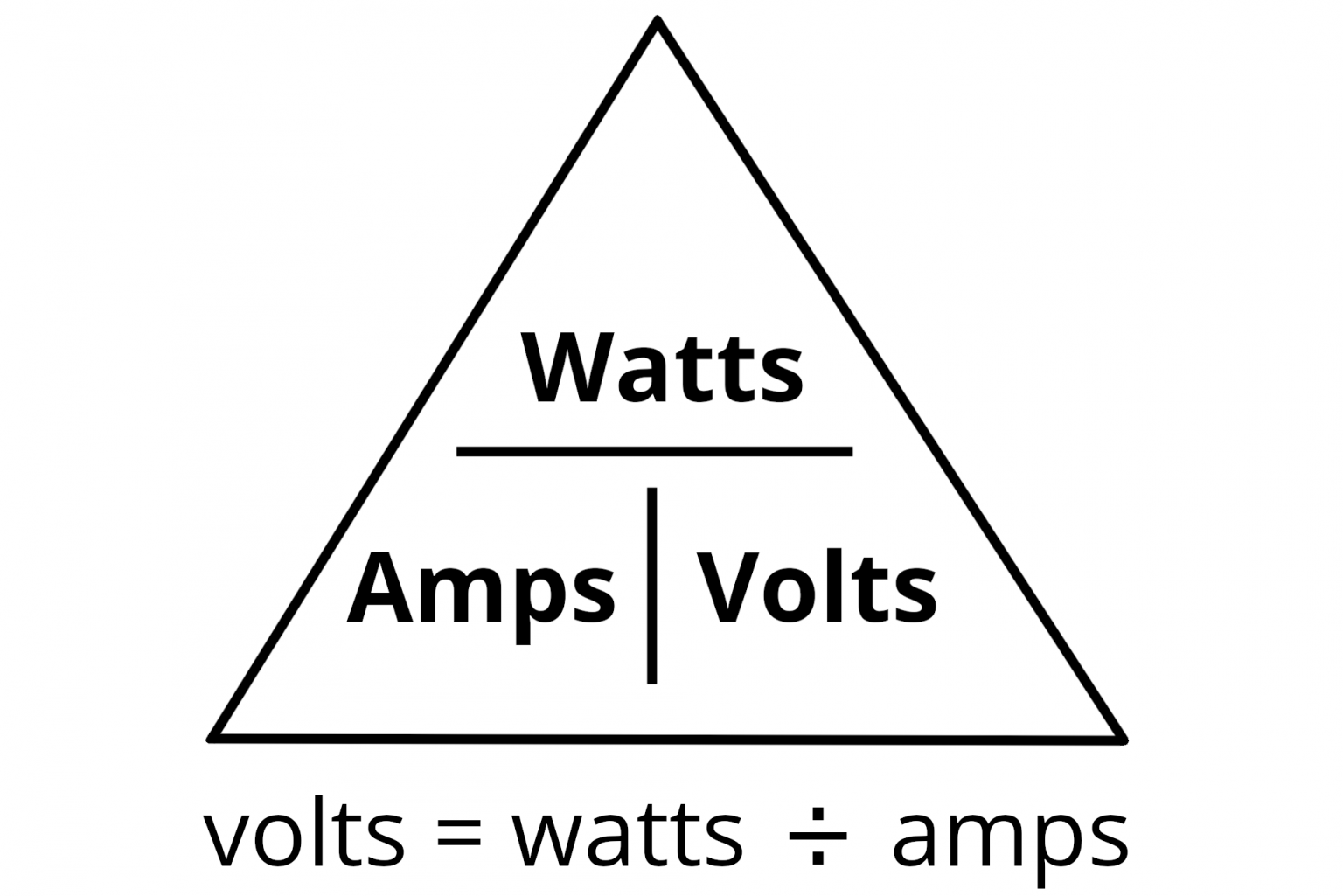
This relationship is beautifully captured by Ohm's Law, one of the foundational principles of electronics. It states: Voltage = Amperage × Resistance, or more commonly expressed as V = I × R (where 'I' stands for current). If you want to find the amperage (I), you can rearrange the formula to: I = V / R.
So, if you have a device that operates at 5 volts and has a resistance of, say, 2.5 Ohms (the unit for resistance), then the current (amperage) it will draw is I = 5V / 2.5Ω = 2 Amps. If the resistance was higher, say 5 Ohms, then I = 5V / 5Ω = 1 Amp. The same 5 volts can deliver different amperages depending on the device it's powering!

Why is this useful? When you see a USB charger listed as "5V, 2A," it means it's designed to supply power at 5 volts, and it can deliver up to 2 amps of current if the connected device requests it. Your phone, when connected, "tells" the charger how much current it needs (based on its internal resistance and charging circuitry). If your device only needs 1 amp, it will only draw 1 amp, even from a 2 amp charger. This understanding helps you pick the right charger for optimal charging speeds and prevents potential damage from mismatched power supplies (though modern devices are quite smart about this).
In essence, while you can't convert volts to amps directly, understanding their relationship through resistance is key. It empowers you to better understand the power needs of your gadgets and the capabilities of your power sources, making you a more informed and gadget-savvy individual!