
How Many Acres Of Solar Panels To Power America
Ever wondered how much space it would really take to ditch fossil fuels and bask in the sun's glorious energy? I was, and boy, did I dive down the rabbit hole! Let's talk solar panels and America's energy needs. Get ready for a surprisingly fun (and slightly mind-boggling) adventure.
The Great Solar Panel Quest
So, how many acres are we talking to power the whole US of A? That's the million-dollar question, isn’t it? It's not as simple as "slap some panels down" and call it a day, but let's break it down.
First, we need to know how much electricity America uses. It's a lot. We're talking trillions of kilowatt-hours every year! Then, we need to figure out how efficient solar panels are.
Must Read
Solar panel efficiency is getting better all the time. Think of it like leveling up in a video game. Each new panel version comes with some upgrades, and we want to have the most awesome solar panels possible!
Crunching the Numbers (Don't Worry, It's Not Scary)
Okay, let's get to the juicy part. It turns out, estimates vary. Experts use different assumptions about panel efficiency, land use, and the specific type of solar installation.
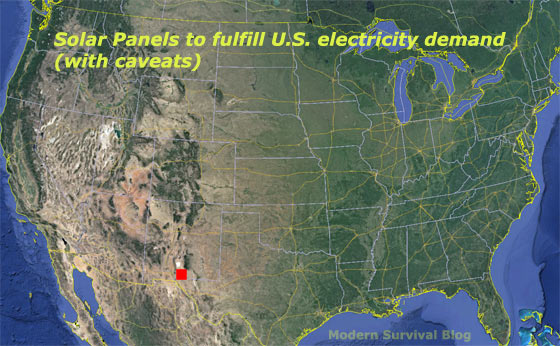
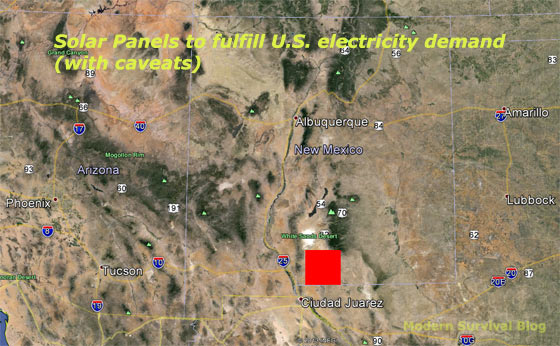
Some say it would take around 5-10 million acres of solar panels. That sounds like a crazy amount of land, right? Other estimates are higher and some are even lower. We'll explore the variation a little later!
To put that in perspective, imagine covering a state like Vermont with solar panels. Pretty wild to think about, isn't it? But not the whole state - just a section!
The Land Question: Where Do We Put All These Panels?
This is where things get interesting. It's not like we can just pave over national parks with solar panels (please, no!). We need to be smart about where we put them.
Think about deserts. They're sunny, relatively empty, and perfect for soaking up rays. Plus, you can find a lot of deserts, particularly in the Southwest portion of the United States.
Another cool idea is using existing infrastructure. We can put solar panels on rooftops, parking lots, and even over canals. Talk about maximizing space!
Agrivoltaics is another brilliant concept. This is when you combine solar panels with agriculture. It is like a win-win that allows you to generate energy while still farming the land. The panels can even protect crops from extreme weather!
The Efficiency Factor: Not All Acres Are Created Equal
Remember how we talked about solar panel efficiency? It plays a huge role in how much land we need. More efficient panels mean fewer acres required.
Researchers are constantly working on improving solar panel technology. They're experimenting with new materials and designs. The goal is to squeeze every last drop of energy from the sun.
As technology advances, the number of acres we need will shrink. Isn’t that good news? The future is brighter (pun intended) than we thought!
Beyond Acres: The Bigger Picture
Thinking about acres is fun, but it’s also important to consider the bigger picture. Solar energy is just one piece of the puzzle.
We also need to think about energy storage. The sun doesn't shine 24/7, so we need ways to store energy for when it's cloudy or dark. Batteries are key here!
Then there's the question of transmission. We need to be able to move electricity from where it's generated to where it's needed. This requires a strong and reliable grid.
Finally, we need to consider the environmental impact of building solar farms. We need to make sure we're not harming ecosystems in the process. It is definitely something to consider.

The Fun Part: Imagining a Solar-Powered Future
Imagine a world where clean energy is abundant and affordable. A world where we're not reliant on fossil fuels that harm our planet. Solar energy can help us get there!
Think of electric vehicles zipping around powered by sunshine. Picture homes heated and cooled with solar energy. Imagine industries running on clean, renewable power.
It's a future worth fighting for, isn't it? And the more we understand the possibilities of solar energy, the closer we get to making that future a reality.
Addressing the Concerns and Challenges
Let's be real: transitioning to solar power isn't all sunshine and rainbows. There are challenges we need to address. Fortunately, many great minds are trying to solve these questions everyday.
One concern is the cost of solar panels. While prices have come down dramatically in recent years, they're still a significant investment. We need policies and incentives to make solar energy more accessible to everyone.
Another challenge is intermittency. As mentioned earlier, the sun doesn't always shine. We need better energy storage solutions to address this issue. One possible solution is advanced storage technology like pumped hydro!
Environmental concerns are also important. We need to ensure that solar farms are built in a way that minimizes their impact on the environment. We want a greener future, after all!

Debunking Myths: Separating Fact from Fiction
There are a lot of misconceptions about solar energy floating around. Let's clear up a few of them. You might even hear some of these myths at Thanksgiving dinner!
Myth #1: Solar panels are ugly. Not true! Modern solar panels are sleek and stylish. Some even look like regular roof tiles.
Myth #2: Solar energy is too expensive. False! Solar energy is becoming increasingly competitive with fossil fuels. In many cases, it's already cheaper.
Myth #3: Solar panels don't work in cloudy climates. Nope! Solar panels can still generate electricity on cloudy days, although not as much as on sunny days. We've come a long way since the beginning of solar technology!
The Role of Innovation and Technology
The future of solar energy is bright, thanks to ongoing innovation and technological advancements. Scientists and engineers are constantly pushing the boundaries of what's possible.
Think about perovskite solar cells. These are a new type of solar cell that could be significantly more efficient and cheaper to produce than traditional silicon cells. They are also far more flexible!
Then there's the development of smart grids. Smart grids use advanced technology to optimize the distribution of electricity. They can help us integrate more renewable energy sources into the grid.
And don't forget about artificial intelligence. AI can be used to predict energy demand and optimize solar panel placement. AI could change the game in the long run!
Getting Involved: How You Can Make a Difference
Want to be part of the solar revolution? There are many ways you can get involved. You don't have to be a scientist or engineer to make a difference.
Start by learning more about solar energy. Read articles, watch documentaries, and talk to experts. Knowledge is power!
Consider installing solar panels on your home or business. It's a great way to reduce your carbon footprint and save money on your electricity bill.
Support policies that promote solar energy. Contact your elected officials and let them know you care about renewable energy.
And spread the word! Talk to your friends, family, and neighbors about the benefits of solar energy. Together, we can create a solar-powered future.
The Answer: It Depends, But It's Doable!
So, back to our original question: how many acres of solar panels to power America? The answer, as you've probably guessed, is it depends.
But the good news is that it's definitely doable. With the right technology, policies, and commitment, we can transition to a clean energy future powered by the sun. Renewable energy is the future!
It's a challenge, but it's also an opportunity. An opportunity to create a more sustainable, equitable, and prosperous world for everyone. It is up to us to seize it! What do you think?