How Many 0 In One Hundred Thousand

Ever find yourself staring blankly at a large number, wondering just how many zeroes are trailing behind it? Don't worry, you're not alone! Understanding place values, and particularly how many zeroes a number like "one hundred thousand" has, is surprisingly useful. It's not just about impressing your friends at trivia night; it's a fundamental skill that helps with budgeting, understanding news headlines (think millions and billions!), and even simplifying everyday calculations. Plus, there's a certain satisfaction in confidently knowing the answer – it's like unlocking a secret code of numbers!
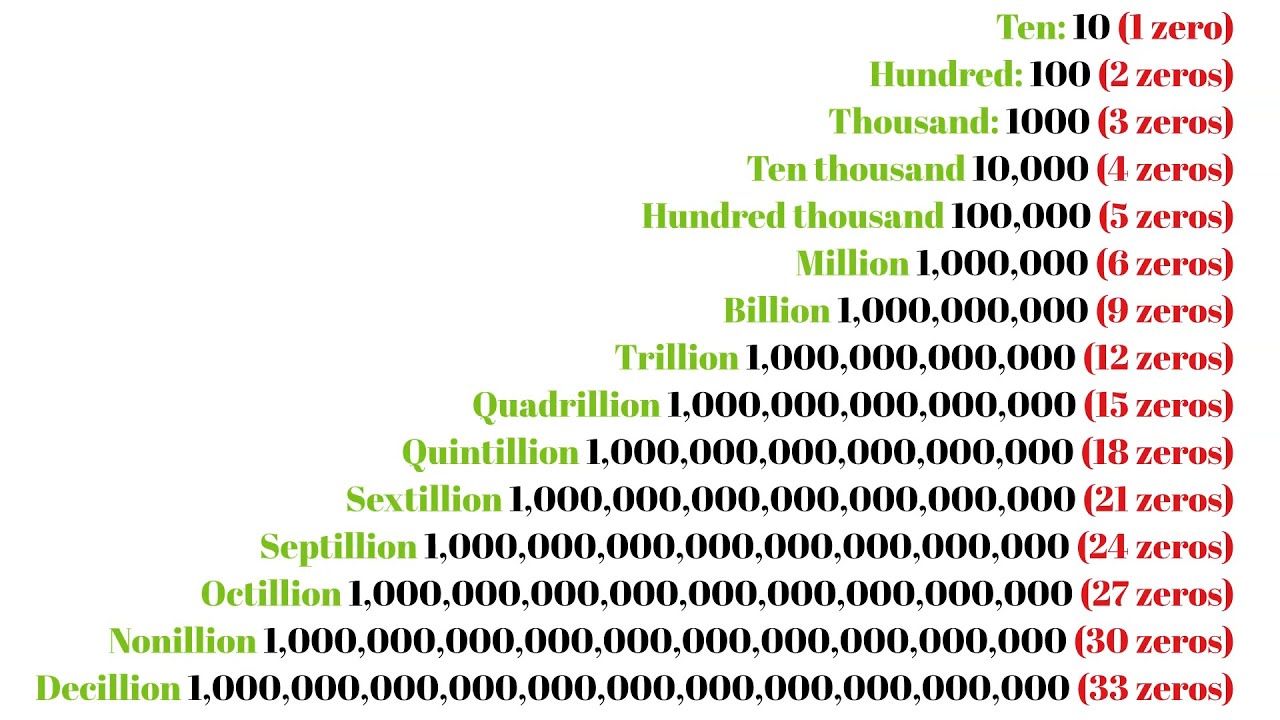
So, how many zeroes are in one hundred thousand? The answer is five. Yes, that's right: 100,000. But why is this knowledge beneficial, and for whom?
For beginners, understanding this basic fact is the first step towards grasping larger numerical concepts. Knowing that "one hundred thousand" has five zeroes helps solidify the concept of place value (ones, tens, hundreds, thousands, ten-thousands, hundred-thousands). It's the foundation upon which more complex mathematical skills are built.
Must Read
For families, especially when teaching kids about money, this knowledge is invaluable. Imagine explaining to a child the difference between saving one thousand dollars and one hundred thousand dollars. The visual representation of those five extra zeroes makes a huge impact and helps them grasp the scale of wealth. It allows for more informed discussions about saving goals, budgeting, and understanding financial news together.
And for hobbyists? Think about activities like crowdfunding a project. Knowing the difference between needing ten thousand dollars and one hundred thousand dollars is crucial for setting realistic goals and understanding the scope of the effort required. Even for collectors, understanding the value of rare items, which can often be in the hundreds of thousands or millions, is vital.
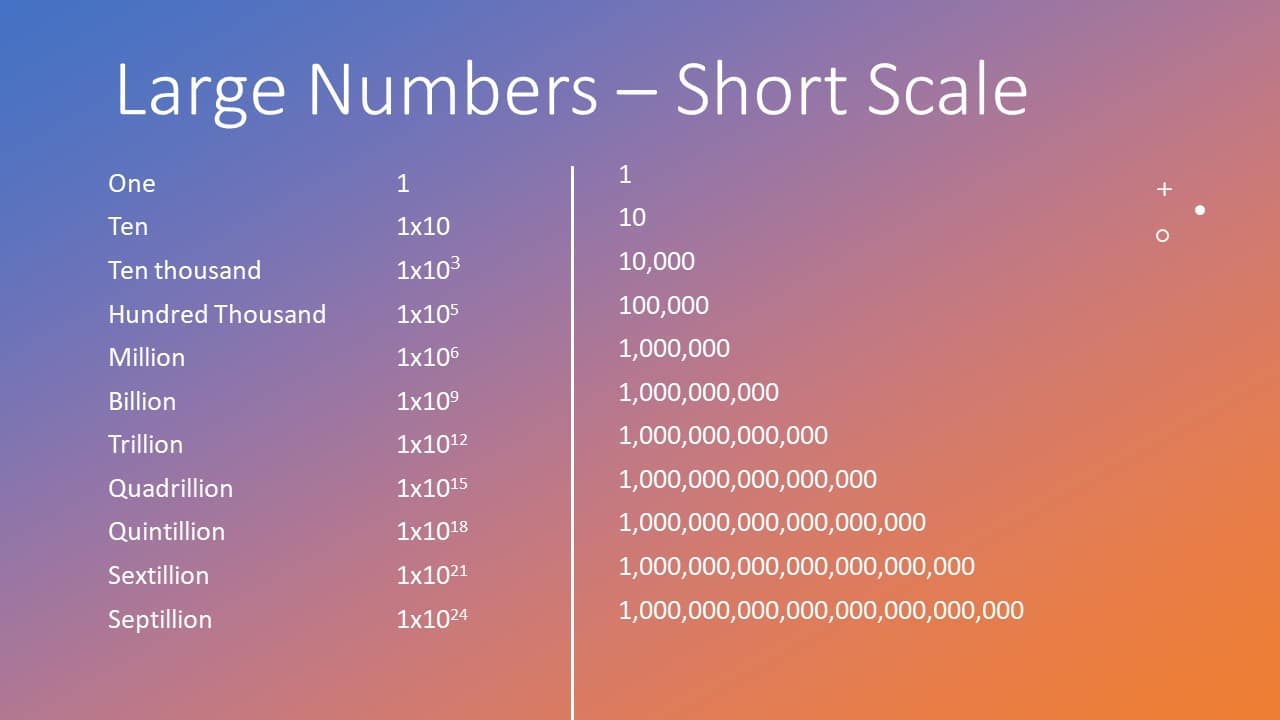
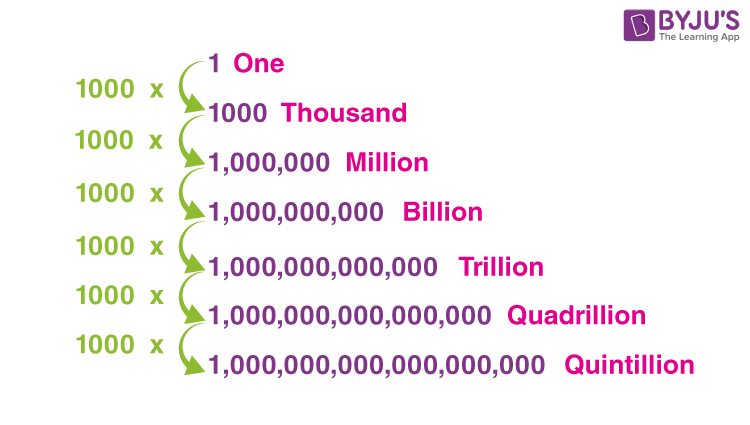
Let's look at some variations. What about one million? That's one thousand thousands, or a one followed by six zeroes (1,000,000). And what about ten thousand? That's just four zeroes (10,000). Notice the pattern? Each "thousand" adds three zeroes, and the numbers before "thousand" contribute to the final count.
Here's a simple tip to get started: practice writing out numbers in their full form. Take a number like "fifty thousand" and write it as 50,000. Then, break it down: "fifty" is 50, and "thousand" adds three zeroes. The more you practice, the faster you'll be able to mentally count those zeroes!

Another helpful technique is to group the digits in threes, using commas. This makes it much easier to read and understand large numbers at a glance. For example, 100000 becomes 100,000, and 1000000 becomes 1,000,000.
Learning how many zeroes are in one hundred thousand, and other large numbers, might seem like a small thing, but it's a surprisingly empowering skill. It builds confidence in your numerical abilities and allows you to navigate the world with a better understanding of the quantities involved in everything from personal finance to global news. So, embrace the zeroes and enjoy the numerical clarity they bring!