
How Long Will It Take To Be A Therapist
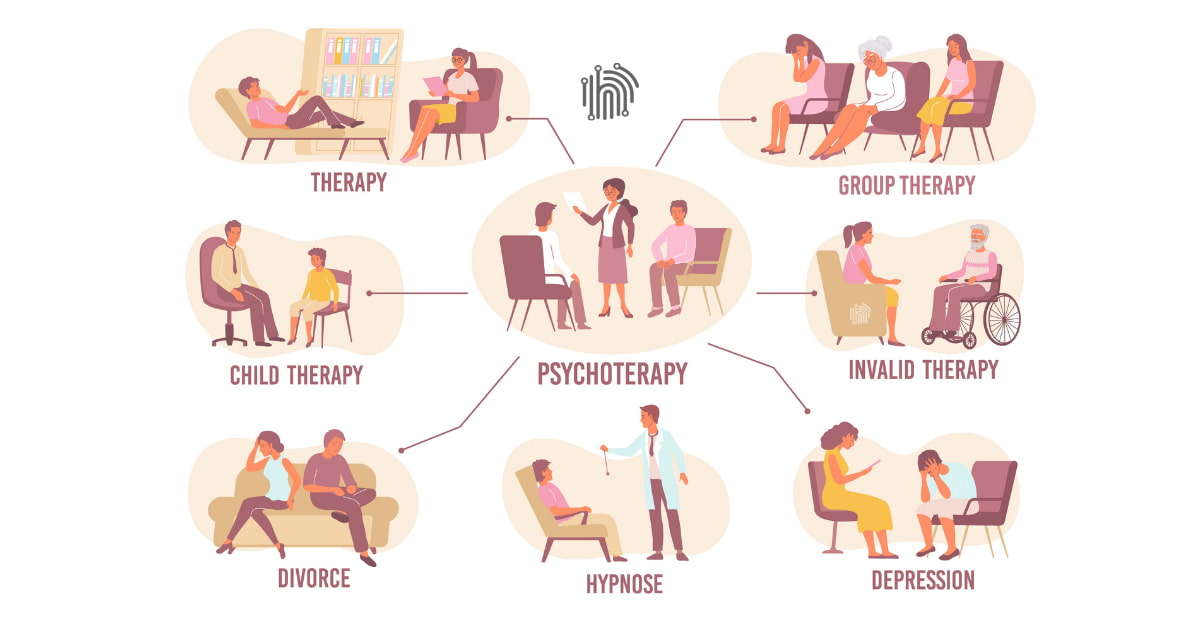
So, you're thinking about becoming a therapist, huh? That's awesome! You want to be the person everyone turns to, the wise sage dispensing advice and tissues in equal measure. You envision yourself nodding knowingly as your clients unpack their emotional baggage. But, before you start practicing your most empathetic "Hmm, tell me more," let's talk about the time commitment. Because, let's be honest, becoming a therapist isn't exactly a weekend hobby.
Think of it like baking a really complicated cake. You can't just throw some ingredients together and hope for the best. There's a recipe, specific steps, and a whole lot of patience involved.
The Academic Ascent: College and Beyond
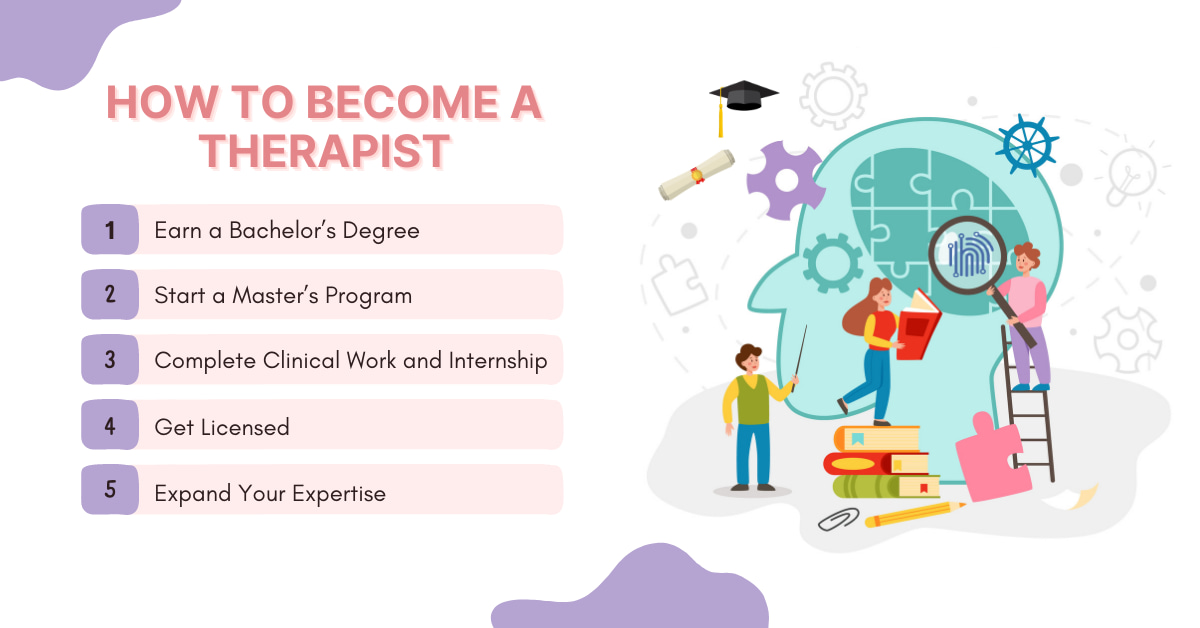
First things first, you’ll need a bachelor's degree. This doesn't necessarily have to be in psychology, although that certainly helps. You could major in anything from English Literature to Underwater Basket Weaving (okay, maybe not that last one). But courses in psychology, sociology, or even philosophy can be a great foundation. Think of your undergrad as building the foundation of your emotional skyscraper. It usually takes around four years.
Must Read
Next up: Graduate School! This is where things get serious. You'll need to get a master's degree, and you'll usually choose between a Master of Social Work (MSW), a Master of Arts in Counseling (MA), or a Master of Science in Psychology (MS). Each has a slightly different focus, so do your research! Grad school is usually another two to three years of intense study, internships, and probably a lot of late nights fueled by coffee and the existential dread of upcoming exams.
"Remember," a wise professor once told me, "Grad school is a marathon, not a sprint. Pace yourself, and don't forget to breathe!" Easier said than done, right?
The Supervised Practice Gauntlet
But wait, there's more! Once you've conquered graduate school, you're not quite ready to hang out your shingle just yet. Now comes the supervised practice period. This is where you work under the guidance of a licensed therapist, gaining real-world experience and honing your skills. Think of it as your apprenticeship, but instead of forging swords, you're forging emotional resilience.

The length of this supervised practice varies by state, but it typically involves between 2,000 and 4,000 hours of supervised clinical experience. That translates to roughly two to three years of working under someone's watchful eye. You'll be seeing clients, attending supervision sessions, and probably questioning every decision you've ever made in your life (it's all part of the process!).
During this time, you'll likely be earning a lower salary than a fully licensed therapist, which can be a bit tough. But remember, you're investing in your future, and those supervised hours are invaluable.
Exam Time! (Again!)
Finally, after all that studying, training, and self-doubt, it's time to face the final boss: the licensing exam. This exam tests your knowledge of ethical principles, therapeutic techniques, and all the other things you've learned along the way. Passing this exam is the final step to becoming a licensed therapist. If you fail? Well, you study some more and try again! Think of it as your final level in the therapy video game.
The Grand Total: Are You Ready For a Journey?
So, let's add it all up: four years for a bachelor's degree, two to three years for a master's degree, and two to three years of supervised practice. That's roughly eight to ten years in total! Seems like a long time, right? But think of all the knowledge, experience, and personal growth you'll gain along the way.
Becoming a therapist is a marathon, not a sprint. But it's a marathon that's worth running. You'll have the opportunity to make a real difference in people's lives, to help them heal, grow, and become the best versions of themselves. And who knows, maybe you'll even learn a thing or two about yourself along the way. And that, my friends, is priceless.
Remember, this is a general overview. The specific requirements for becoming a therapist vary by state, so be sure to check with your local licensing board for more information. Good luck on your journey to becoming a therapist! It is challenging but rewarding.
:max_bytes(150000):strip_icc()/how-long-does-it-take-to-become-a-psychologist-2794935-5b841e6946e0fb00504573ef.png)