How Long To Let Food Cool Before Putting In Fridge
Ever find yourself staring at a steaming pot of chili, wondering, "Okay, when can this thing finally go in the fridge?" You're not alone! It's a question that plagues home cooks everywhere. We all want to keep our food safe and delicious, but the rules around cooling leftovers can feel a bit…mysterious. But fear not, dear reader, because understanding the science behind chilling is actually pretty fun (and definitely useful!). This isn't just about avoiding a foodborne illness (though that's a major perk!); it's about preserving the quality and flavor of your precious leftovers.
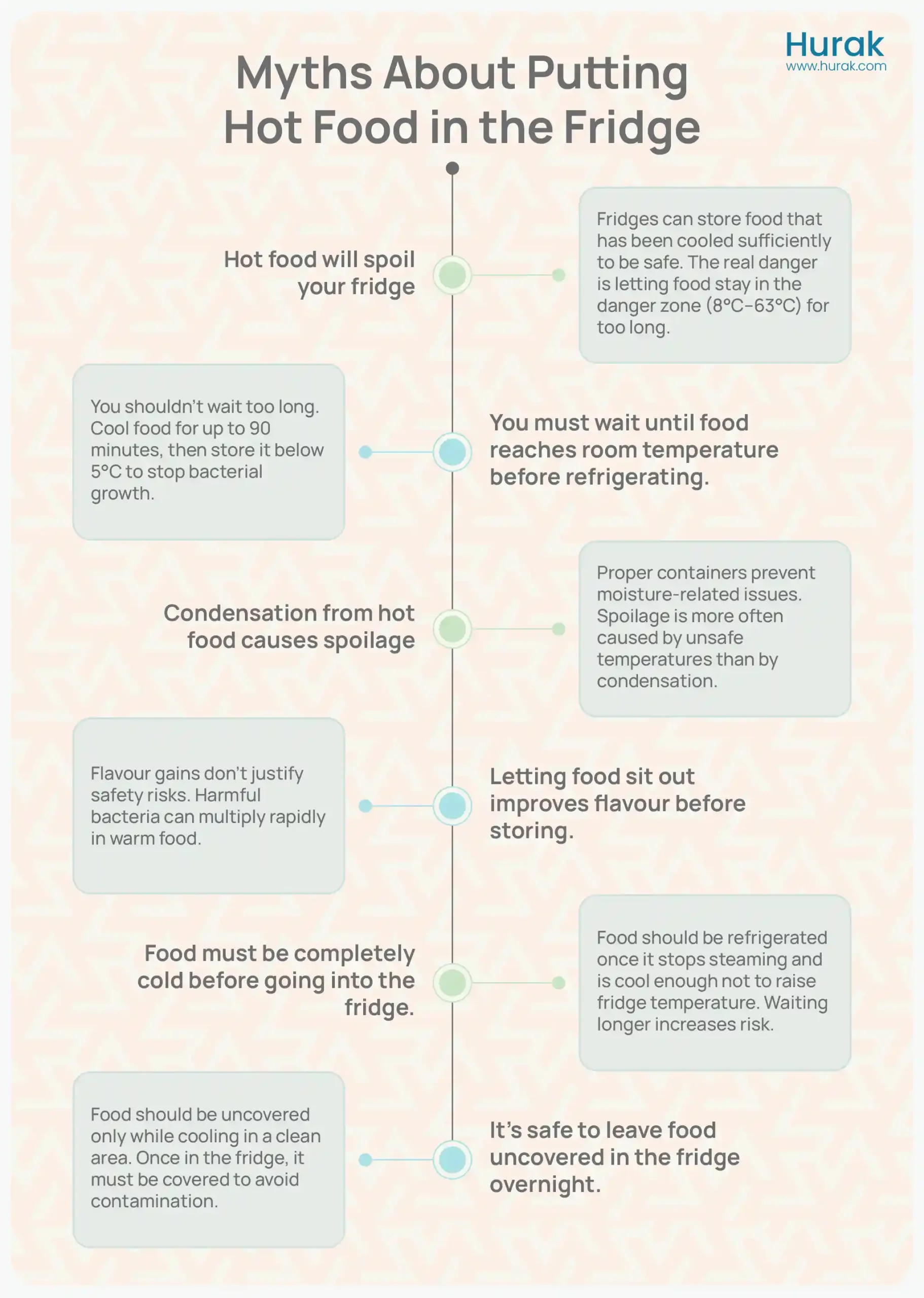
So, what's the purpose of letting food cool before refrigerating it? The answer is twofold. First, it's about preventing a temperature spike in your fridge. Imagine adding a piping hot dish; it raises the overall temperature, potentially warming other foods and creating a breeding ground for bacteria. Second, it's about condensation. Hot food in a sealed container creates steam, which turns into condensation in the fridge. This excess moisture can lead to soggy leftovers and, again, encourage bacterial growth. The main benefit of correctly cooling food is preventing illness and keeping your food safe and delicious!
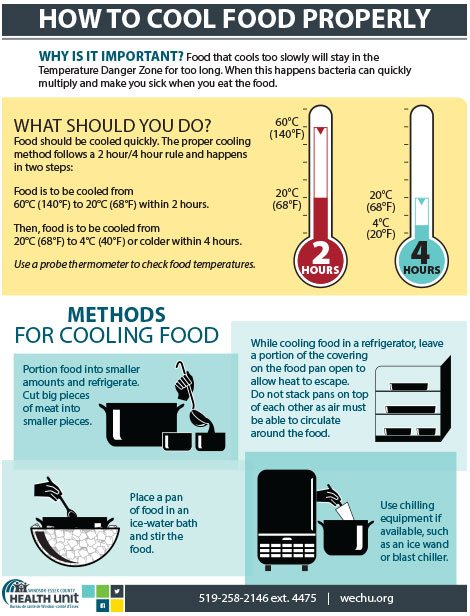
The golden rule, according to food safety experts, is to get your food into the refrigerator within two hours of cooking. But, here’s the catch: large quantities of hot food shouldn’t go straight into the fridge. That's where the cooling process comes in.
Must Read
Think of it like this: you want to bring the temperature of your food down to a safe level as quickly as possible. The ideal target is below 40°F (4°C). But how do you achieve that without turning your fridge into a sauna? Here are a few handy tips:
- Divide and Conquer: Instead of placing one large container of food in the fridge, divide it into smaller, shallower containers. This allows for faster cooling. Think multiple small bowls instead of one giant pot.
- Ice, Ice, Baby: For larger volumes of food like soup or chili, try placing the container in an ice bath. Simply fill your sink with ice water and nestle the container inside. Stir the food occasionally to help it cool evenly. This method significantly speeds up the process.
- Ventilation is Key: Leave the lid of the container slightly ajar during the initial cooling phase. This allows heat to escape more easily. Once the food has cooled significantly, you can seal it tightly for storage.
- Don't Be Afraid of the Refrigerator: Some experts suggest a "temperature danger zone" between 40°F and 140°F (4°C and 60°C) where bacteria thrive. Rapid cooling gets your food out of this zone as quickly as possible. Remember the two-hour rule!
It might seem like a lot to remember, but trust us, a little effort goes a long way in ensuring food safety and preventing wasted meals. By following these simple guidelines, you can confidently cool your leftovers, knowing you're keeping your food safe, delicious, and ready for another tasty round. So go forth and cook (and cool!) with confidence! After all, a happy tummy is a safe tummy!