How Long To Keep Bleach In Hair

Ever wondered what goes on behind the scenes when someone dramatically transforms their hair from a deep brunette to a vibrant blonde? Or perhaps you’re toying with the idea yourself? Well, a crucial part of that process involves bleach, and understanding how long to keep it in your hair is absolutely essential. It's not just a simple case of slathering it on and hoping for the best. Getting it right can mean the difference between achieving your dream hair and facing a hair disaster. Let's dive into the why, the how, and the what-ifs of hair bleach timing.
So, what's the big deal with bleach anyway? In its essence, hair bleach is a chemical process that lifts the natural pigment from your hair. Think of it like erasing the existing color to create a blank canvas for something new. The primary benefit is the ability to lighten your hair significantly, allowing you to then dye it a lighter shade, achieve vibrant pastel colors, or even create striking highlights. Without bleach, achieving these looks, especially on darker hair, would be virtually impossible.
Understanding bleach timing isn't just for aspiring hairdressers. It’s applicable in various situations. Cosmetology students learn about it in depth, meticulously studying the chemical reactions and hair structure to ensure safe and effective bleaching. But even in daily life, a basic understanding is helpful. For example, perhaps you're helping a friend dye their hair, or maybe you're simply curious about the science behind hair transformations. Knowing the general principles allows you to be a more informed consumer of hair products and services.
Must Read
But how do you actually figure out the right amount of time? There's no magic number, unfortunately. The ideal duration depends on several factors: your starting hair color, the desired level of lightness, the strength of the bleach used, and the overall health of your hair. Darker hair naturally requires longer processing times than lighter hair. Stronger bleach lifts pigment faster, but also poses a greater risk of damage. And damaged or previously treated hair is more vulnerable and requires a gentler approach.
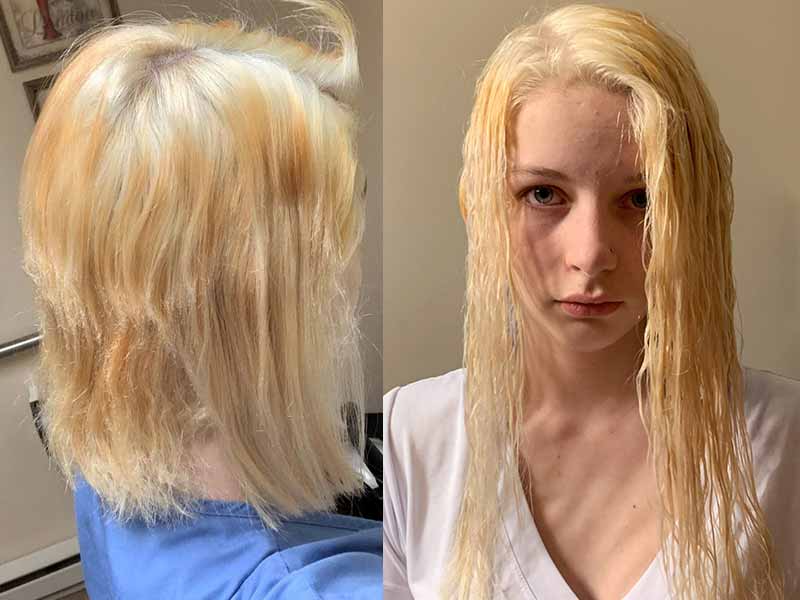
So, what are some practical tips for exploring this? Firstly, always, always do a strand test. This involves applying the bleach mixture to a small, inconspicuous section of your hair and monitoring the results. It's the best way to gauge how your hair reacts to the bleach and determine the approximate processing time. Secondly, start with a lower volume developer (a component of the bleach mixture) and gradually increase it if needed. Patience is key! It’s far better to under-process and re-apply than to over-process and damage your hair irreparably. Thirdly, closely monitor your hair throughout the process. Look for signs of damage, such as excessive breakage or elasticity. If you notice anything concerning, rinse the bleach out immediately.
Finally, remember that bleaching your hair is a chemical process with potential risks. If you're unsure or nervous, consult a professional hair stylist. They have the expertise and experience to assess your hair's condition and determine the safest and most effective bleaching method for achieving your desired results. Hair bleaching is a journey, not a race. Understanding the science and taking precautions will help you achieve your dream hair while keeping it healthy and strong.