
How Long Should A Septic System Last

The Unsung Hero: How Long Does Your Septic System Really Last?
Ever wonder about the silent workhorse beneath your yard? We're talking about your septic system, of course! It’s one of those things you rarely think about until, well, you have to.
But here's a fun fact: this hidden helper has its own fascinating lifespan. Understanding it can save you a lot of headaches and money down the road.
The Big Question: What's the Average Lifespan?
So, how long should a septic system last? There's no single, simple answer, unfortunately. It's a bit like asking how long a car lasts.
Must Read
However, most well-maintained conventional septic systems can last anywhere from 15 to 40 years. Some even push past the 40-year mark!
That's a pretty wide range, right? It shows just how many different things can impact its longevity.
It's All About the Installation, Baby!
One of the biggest factors in a septic system's life starts right at the beginning. A proper installation is absolutely critical.
Think of it like building a house. A strong foundation means everything. If it's done right, your system gets a fantastic head start.
Poor installation, however, can lead to problems much, much sooner. This is why choosing a reputable installer is so important.
The Magic of Maintenance: Your System's Best Friend
Want your septic system to live a long, happy life? Then maintenance is your secret weapon. This is where you truly become its hero.
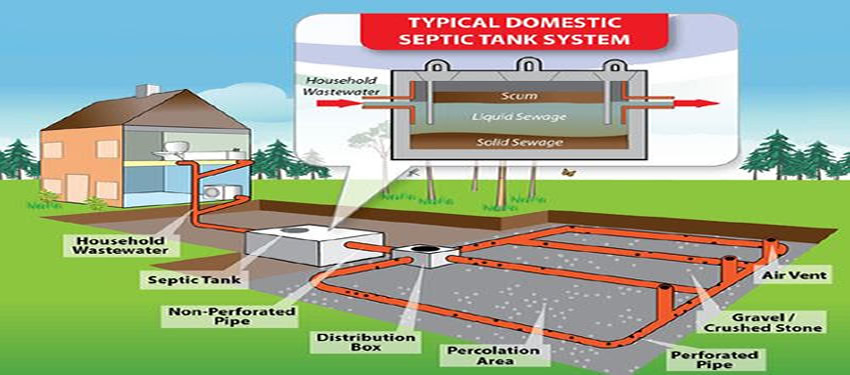
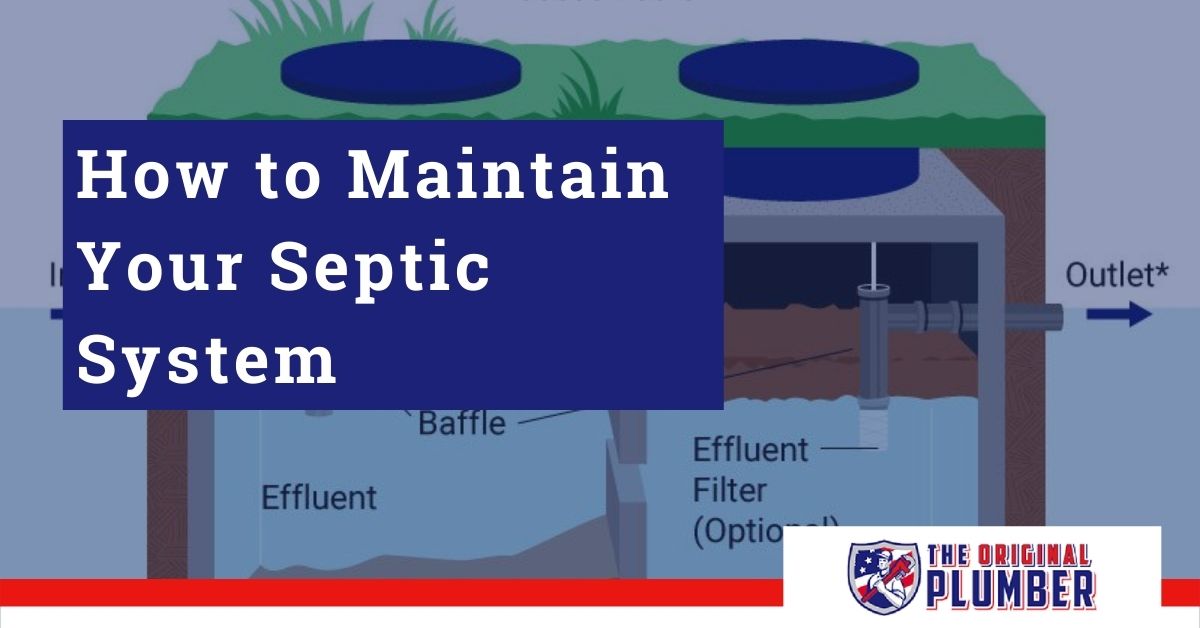
Regular pumping of your septic tank is perhaps the most important task. It prevents solids from building up and causing trouble.
Imagine your septic tank as a diligent but sometimes overwhelmed stomach. It needs to be cleared out periodically to keep working smoothly.
Most experts recommend pumping your tank every 3 to 5 years. This frequency can vary based on household size and water usage.
Think of pumping as a regular spa day for your septic tank. It keeps everything fresh and prevents blockages!
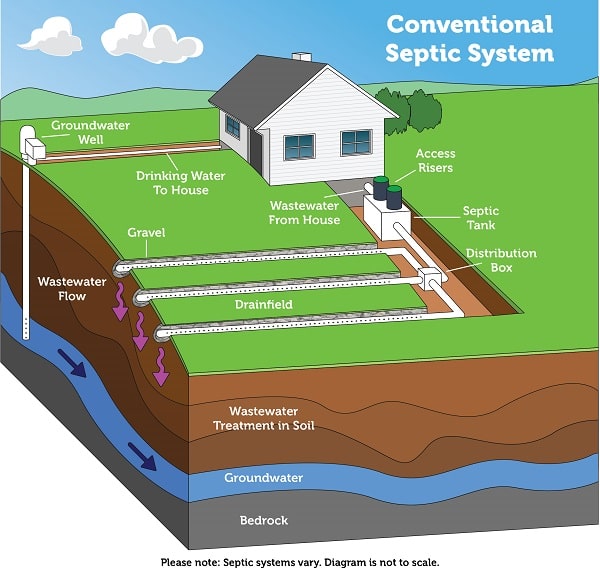
Skipping this vital step can lead to sludge overflowing into the drainfield. And trust us, you really don't want that to happen.
Once the drainfield gets clogged, it's often a very costly repair. Sometimes, it even means a full system replacement.
Regular inspections are also a must. A professional can spot small issues before they become huge headaches.
What You Put Down the Drain Matters More Than You Think
Your septic system is not a magic black hole. What you flush and pour down your drains directly affects its health.
Think twice before sending harsh chemicals, grease, or non-biodegradable items into the system. These are major no-nos.
Grease can solidify and clog pipes. Chemicals can kill the beneficial bacteria that help break down waste in the tank.
Even excessive use of antibacterial soaps can be detrimental. Remember, your septic system relies on a tiny army of bacteria!
Products like baby wipes, paper towels, and feminine hygiene products are big offenders. They simply don't break down.
Remember the golden rule: "If it's not human waste or toilet paper, don't flush it!"
This simple habit alone can significantly extend the life of your entire system. It’s an easy win for longevity.
Soil, Water, and Design: Nature's Influence
The type of soil in your yard plays a huge role. Good soil drainage is essential for the drainfield to work correctly.
If your soil is too dense, like heavy clay, it can slow down the treatment process. This puts extra strain on the system.
Also, the amount of water you use impacts your septic system. Excessive water usage can overload the system.
Spreading out your laundry loads, for example, can give your septic system a much-needed break. It's like giving it a rest day.
Finally, the type of septic system you have matters too. Conventional systems are common, but there are also aerobic systems, mound systems, and more.
Each type has its own design and specific considerations regarding lifespan and maintenance needs. It's not a one-size-fits-all world.
Signs Your Septic System Might Be Tired
How do you know if your hidden hero is struggling? There are some clear warning signs you should never ignore.
Slow drains or toilets that back up are common indicators. This means there's a blockage somewhere in the system.
Odors around your septic tank or drainfield are another red flag. A healthy system should not smell.
Lush, extra-green grass in specific areas of your yard could also signal trouble. This can mean wastewater is surfacing.
Puddles of standing water near the drainfield are a serious sign of system failure. Call a professional immediately if you see this.
Ignoring these signs only leads to bigger, more expensive problems down the line. It's best to address them quickly.
Extending Its Life: Your Action Plan
So, you want your septic system to last as long as possible? Here’s your personal roadmap to longevity!
First, get on a regular pumping schedule. Mark it on your calendar and stick to it. This is non-negotiable.
Second, be mindful of what goes down the drain. Teach everyone in your household the septic-safe rules.
Third, minimize water usage. Fixing leaky faucets and taking shorter showers all help your system.

Fourth, avoid parking vehicles or planting trees directly over your drainfield. Tree roots can wreak havoc on pipes.
Fifth, get regular professional inspections. An expert eye can catch issues you might miss. They are the septic detectives!
Sixth, learn about your specific system. Knowing its type and unique needs empowers you to care for it better.
The Value of Longevity: Why It Matters
Investing in your septic system's health now pays off immensely in the long run. A new system can cost tens of thousands of dollars.
Compared to that, regular pumping and smart habits are incredibly affordable. It's a huge return on a small investment.
Plus, a healthy septic system protects your property value and the environment. It's a win-win for everyone.
You wouldn't neglect your car or your home's roof, right? Your septic system deserves the same thoughtful attention.
It truly is the silent guardian of your home's wastewater. Let's make sure it can keep guarding for many years to come.
By understanding how long a septic system should last and what influences its lifespan, you're empowered. You can make informed choices.
So, go ahead, give a little nod to your underground hero. And then, maybe schedule that next pumping appointment!