How Long Is A Dishwashing Cycle

Ever stood in front of your dishwasher, pressed a button, and then wondered, "How long is this actually going to take?" It's a surprisingly common little mystery, isn't it? We rely on these marvelous machines daily, yet the inner workings of their cycle times often remain a bit of an enigma. But unlocking this secret isn't just about satisfying a fleeting curiosity; it's about becoming a more efficient and informed home manager, potentially saving you time, energy, and even extending the life of your precious dishes.
At its heart, the purpose of varying dishwashing cycle lengths is all about optimization. A short cycle isn't just about speed; it's about using less water and energy for lightly soiled items. A longer, more intensive cycle, on the other hand, is designed to tackle baked-on grime and stubborn food residues, ensuring a truly sparkling clean. The benefits are clear: you get dishes that are not only hygienic but also cared for appropriately. Choosing the right cycle means you're not over-washing delicate glassware, nor are you under-washing a pan that just hosted a lasagna feast. It’s about tailoring the wash to the load, providing customized care for your kitchenware.
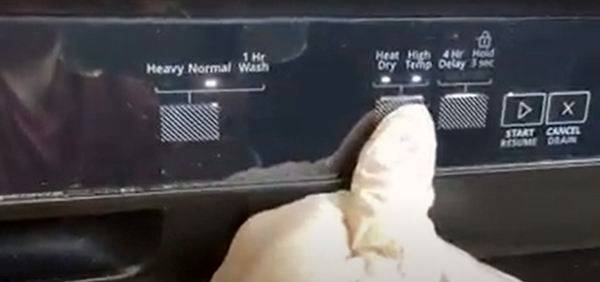
In our daily lives, understanding these cycles is incredibly practical. Think about the hurried morning when you just need a few coffee mugs and breakfast plates cleaned – that’s a job for the Quick Wash, often lasting a speedy 30-60 minutes. For your average dinner load with a mix of plates, bowls, and cutlery, the Normal Cycle is your workhorse, typically running anywhere from 90 to 150 minutes, depending on the model and selected options. Then there’s the behemoth: the Heavy Duty or Pots & Pans cycle, which can stretch to 180 minutes or even longer, deploying hotter water and extended wash times to conquer even the most challenging, caked-on messes. Many modern machines also offer an Eco or Energy Saver cycle, which, counter-intuitively, might be longer but uses less heat and water, making it the most energy-efficient choice for general loads.
Must Read
While we might not be "educating" ourselves in a classroom setting, exploring dishwashing cycles is a fantastic hands-on lesson in appliance functionality and household efficiency. It teaches us about the interplay of temperature, water usage, and time in achieving a specific outcome. Understanding why a cycle takes a certain amount of time connects to broader concepts of energy consumption and environmental impact. It encourages us to think about the engineering behind everyday conveniences and how our choices, even as simple as pressing a button, contribute to our home's overall operation and sustainability. It's about becoming a more conscious consumer of resources.
So, how can you become a dishwasher cycle expert in your own home? The simplest and most effective tip is to read your dishwasher's manual! It’s a treasure trove of information specific to your model, detailing cycle lengths, temperatures, and recommended uses. Another fun way to explore is to simply use a timer. Pick a cycle you use frequently, start it, and note down the actual time it takes from start to finish. Experiment with different cycles for various types of loads and observe the results. Do your dishes come out sparkling on the quick wash? Is the heavy-duty cycle truly necessary for that lightly soiled pot? By paying a little more attention, you'll gain valuable insights, optimize your dishwashing routine, and maybe even find a new appreciation for this quiet workhorse in your kitchen. Happy experimenting!