
How Long Does It Take Water To Turn Into Ice
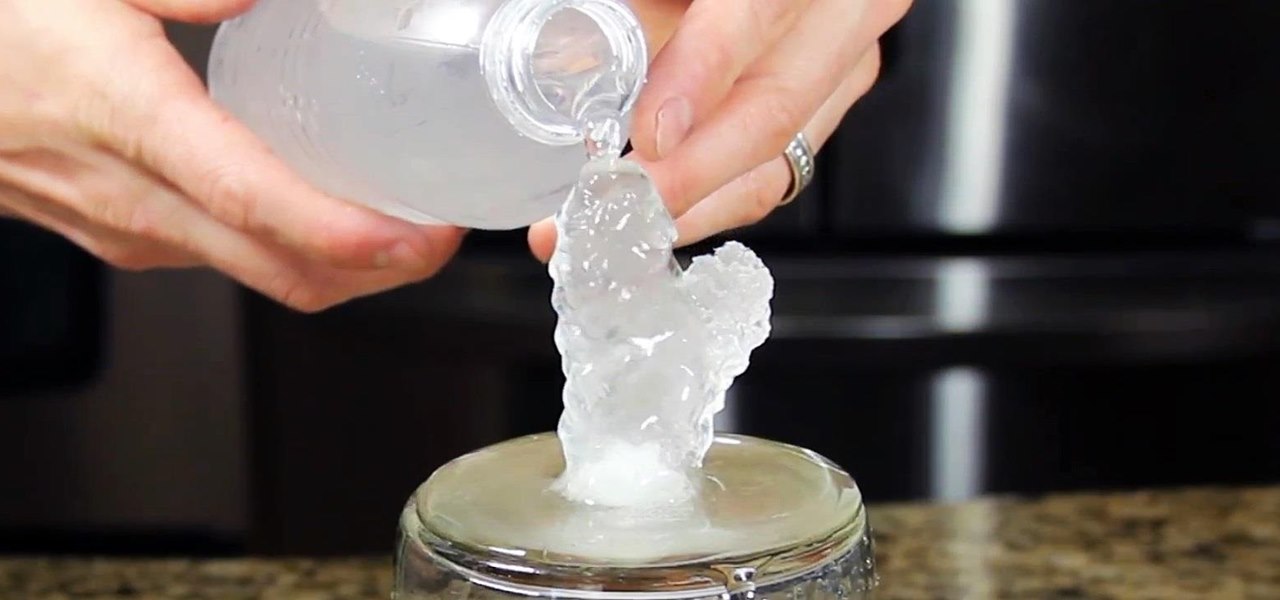
Hey, ever wondered how long it really takes for water to become ice? It's not just "stick it in the freezer and wait," you know! It's like a mini-science adventure every time.
The Big Chill: Factors at Play
Okay, so, first things first, it's not a one-size-fits-all answer. The freezing time depends on a bunch of things. Think of it like making the perfect cup of coffee – lots of variables!
The biggest factor? The temperature, duh! Your freezer’s temp is key. If it's set to "barely freezing," you'll be waiting forever. Crank it up (or down, temperature-wise!), and things speed up.
Must Read
Also, the amount of water matters. A tiny ice cube? Quick freeze. A whole tub of water? Grab a book, you'll be there a while.
And don’t forget the container! A metal tray will freeze faster than a plastic one. Metal conducts heat away quicker. It’s science, baby!
The Refrigerator Rumble: Freezer Temperature
Most freezers are set around 0°F (-18°C). At this temp, a standard ice cube tray (we're talking the typical one, not the fancy sphere-shaped ones) will freeze in about 3 to 4 hours. Pretty neat, right?
But, if your freezer is a bit warmer (maybe someone left the door ajar?), add an hour or two. Patience is a virtue…especially when waiting for ice.
Want to speed things up? Lower that freezer temp! But be warned: super-cold freezers can sometimes cause freezer burn. Nobody wants freezer-burned ice!
Water Works: Purity Matters!
Believe it or not, the purity of the water plays a role too! Impure water (like tap water with minerals) actually freezes slower than distilled water. Mind. Blown.
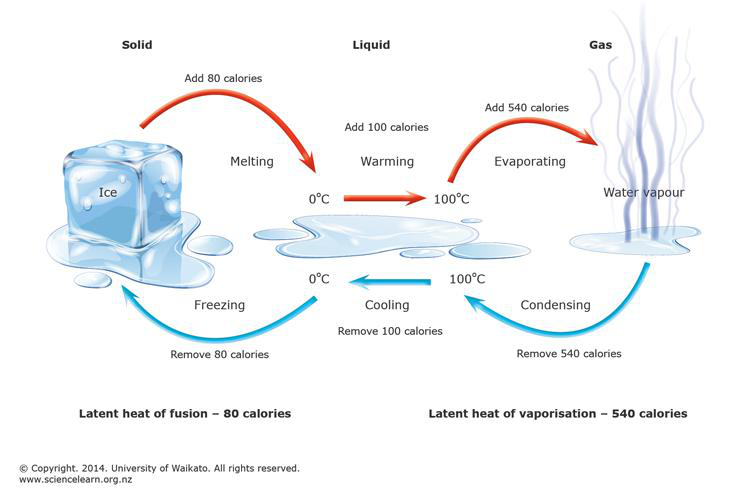
Those impurities act as tiny roadblocks, getting in the way of the water molecules lining up to form ice crystals. It's like trying to organize a group photo with a bunch of toddlers – chaos ensues!
So, if you're super impatient, try using distilled water. You might shave off a few minutes. Or, just accept that waiting is part of the ice-making process.
The Leidenfrost Effect: Hot vs. Cold
Here's a crazy one: hot water can sometimes freeze faster than cold water! It's called the Mpemba effect, and scientists are still debating exactly why it happens.
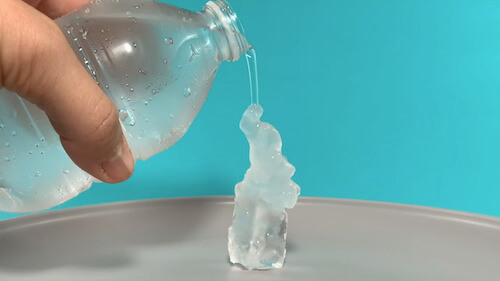
One theory is that hot water evaporates faster, reducing the amount of water that needs to be frozen. Another is that convection currents in hot water help it cool down more quickly. Whatever the reason, it's a fun fact to drop at parties.
Don’t expect this to work every time, though. The Mpemba effect is fickle and depends on a lot of things. But hey, give it a try! For science!
The Zen of Freezing: Embrace the Wait
Look, waiting for water to freeze can feel like watching paint dry. But instead of getting frustrated, embrace the process! Use the time to do something fun.
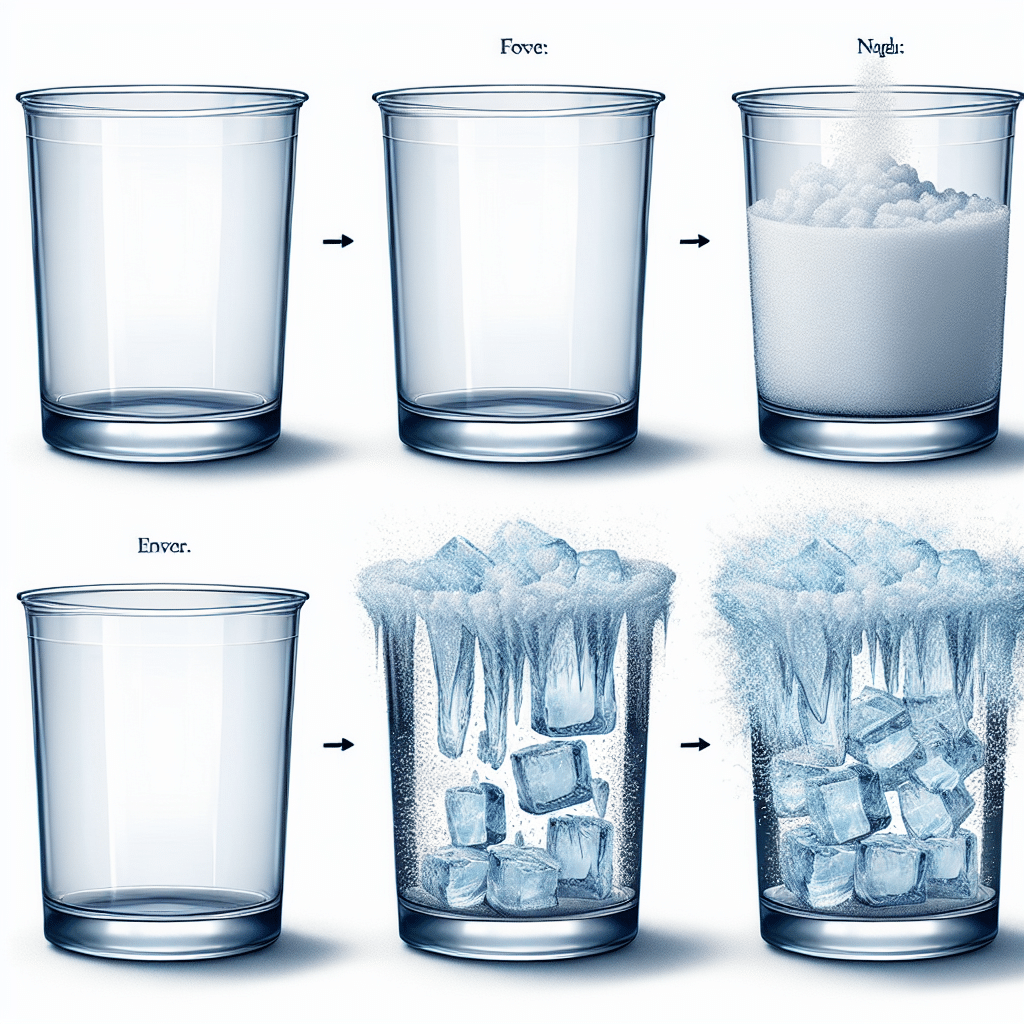
Read a book, binge-watch your favorite show, or learn a new skill. By the time you're done, your ice will be ready, and you'll be a slightly more cultured and entertained human.
Plus, think of the refreshing drinks you'll be able to make! Ice-cold lemonade, iced coffee, or a fancy cocktail. The anticipation makes it taste even better.
Ice, Ice, Baby: Fun Facts
- Did you know that ice is less dense than liquid water? That's why ice floats!
- The oldest known ice is millions of years old and can be found in glaciers. Talk about a cold case!
- Some scientists believe that ice may have played a role in the origin of life on Earth. Whoa!
So, next time you're waiting for water to freeze, remember all the amazing science and quirky facts behind it. It's not just water turning into ice, it's a mini-miracle happening right in your freezer!
Now go forth and make some ice! And remember, patience is a virtue…especially when you're thirsty.