How Long Does It Take To Change Tires

Ever wondered how long it really takes to change a tire? It's a question that might seem trivial, but understanding the basics of tire changing is surprisingly relevant and even empowering. Think about it: you're driving down a scenic road, windows down, music up, and then... thump, thump, thump. A flat tire. Knowing how to tackle this situation yourself can save you time, money, and the stress of waiting for roadside assistance.
So, what’s the purpose of understanding tire changing, and what are the benefits? Well, beyond the immediate fix of getting you back on the road, it’s about self-reliance. Imagine the peace of mind knowing you can handle a common roadside emergency. It's also about safety. Waiting on the side of a busy highway is a dangerous situation. The quicker you can safely change your tire, the better. And let's not forget the financial aspect. Calling a tow truck and having them change your tire can be surprisingly expensive. Learning this skill puts you in control.
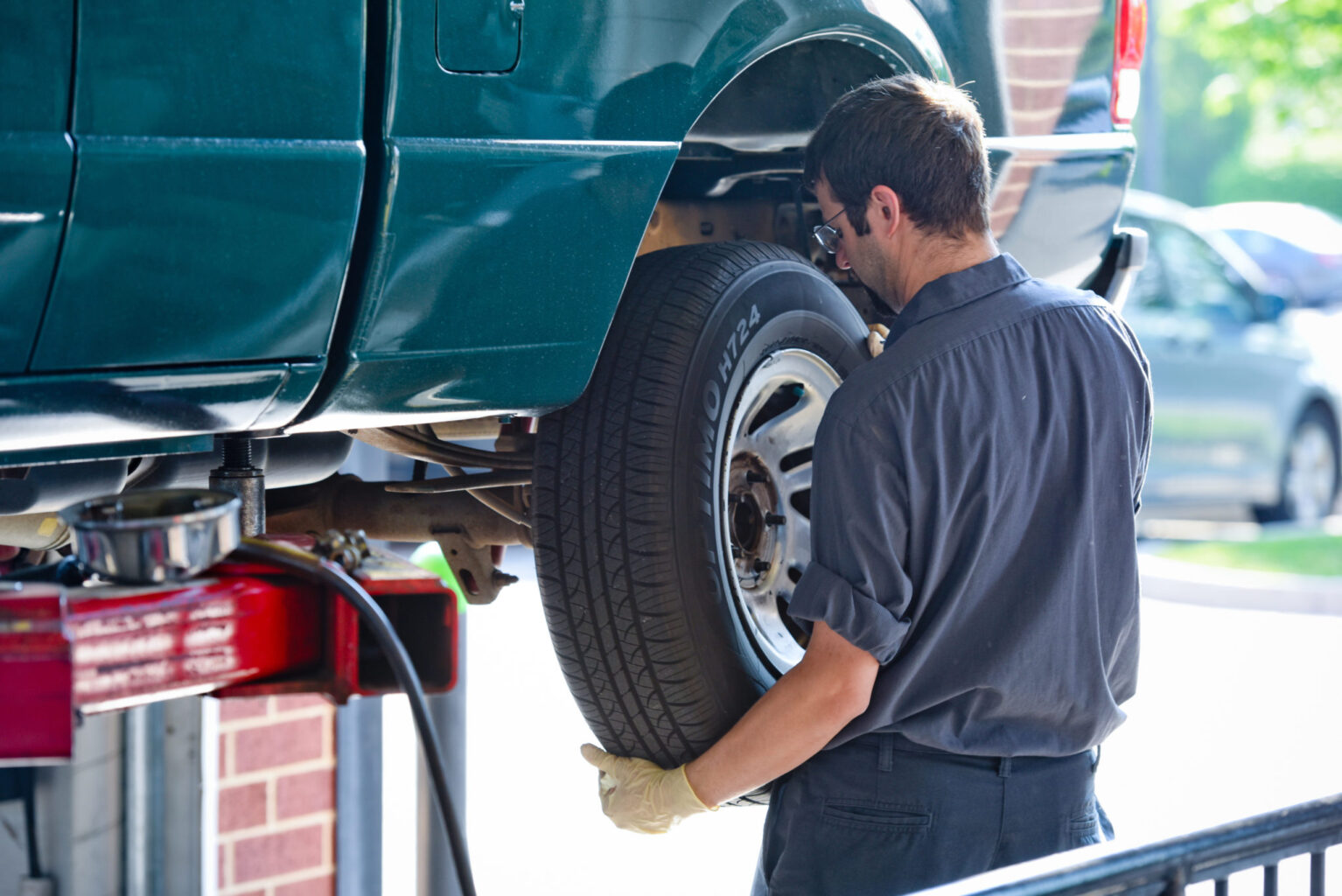
Now, let's talk about the actual time. There's no single answer, as it depends on a few factors: your experience level, the tools you have available, and the type of vehicle you're driving. A seasoned mechanic with professional equipment could probably swap a tire in under 15 minutes. However, for the average person with basic tools, a more realistic timeframe is 30 minutes to an hour. Don’t feel pressured to rush! It's better to do it safely and correctly than quickly and poorly.
Must Read
How can this knowledge be useful? Consider a driver's education course. Incorporating tire changing into the curriculum would provide invaluable practical skills for new drivers. In daily life, the benefits are even more obvious. You're prepared for unexpected flats, you can help a friend in need, and you might even impress your family with your newfound abilities.
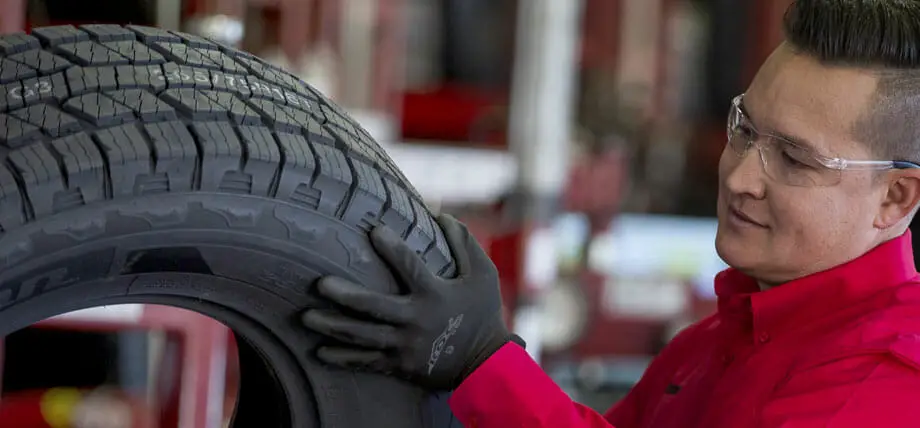
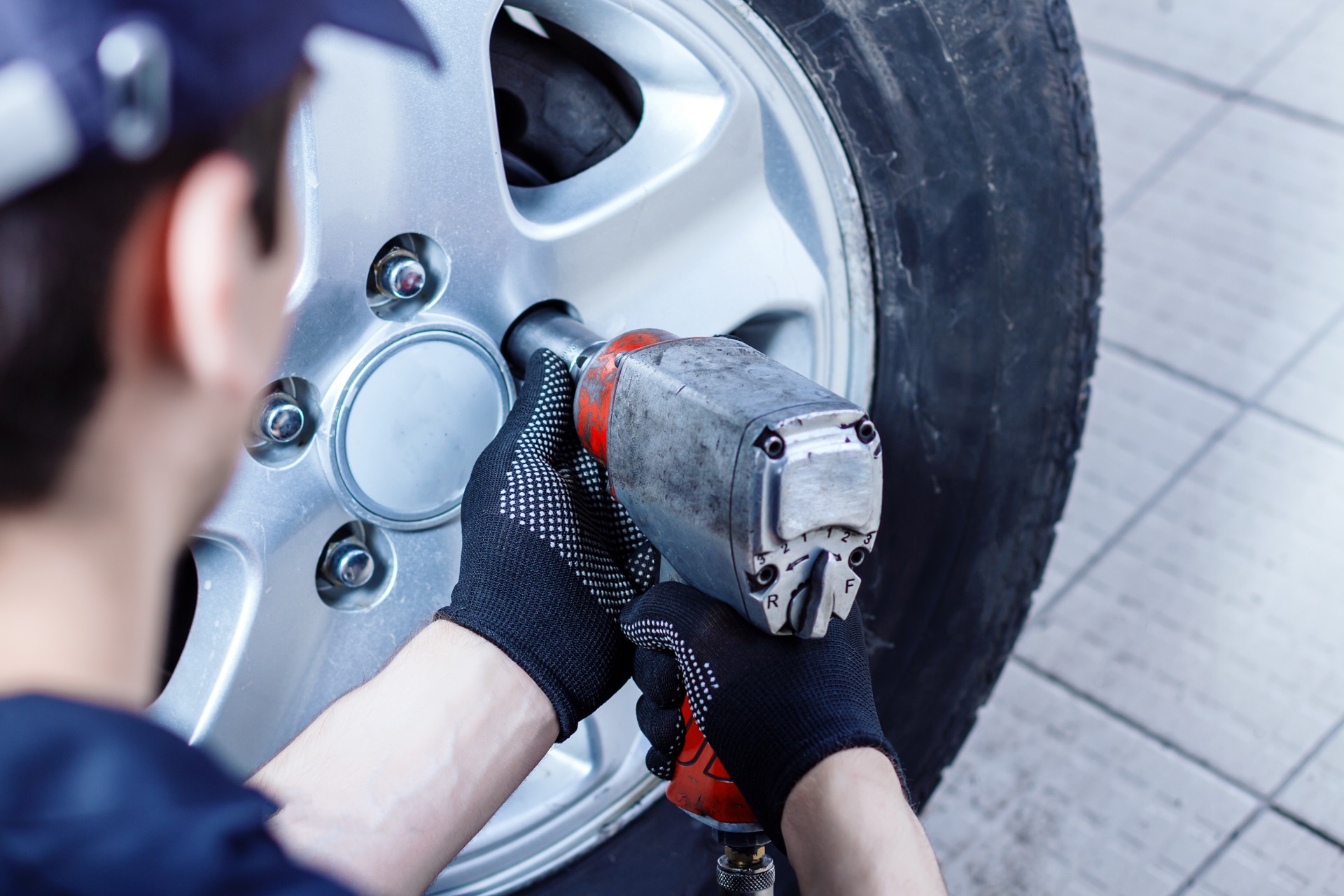
Here are a few practical tips to help you explore the world of tire changing: First, read your car's owner's manual. It will have specific instructions and recommendations for your vehicle. Second, watch some online tutorials. There are countless videos that visually demonstrate the process. Third, and most importantly, practice in a safe environment, like your driveway or garage. This allows you to familiarize yourself with the tools and steps without the pressure of being stranded on the side of the road. Start by loosening the lug nuts before jacking up the car. Ensure the parking brake is engaged and use wheel wedges for added safety. Double-check that the spare tire is properly inflated before installation.
Finally, remember safety first! Wear gloves to protect your hands and eye protection to keep debris out. If you're ever unsure about any step, don't hesitate to call for professional help. Learning to change a tire is a valuable skill that can empower you on the road, so take the time to learn, practice, and stay safe!