
How Long Does It Take Propane To Dissipate
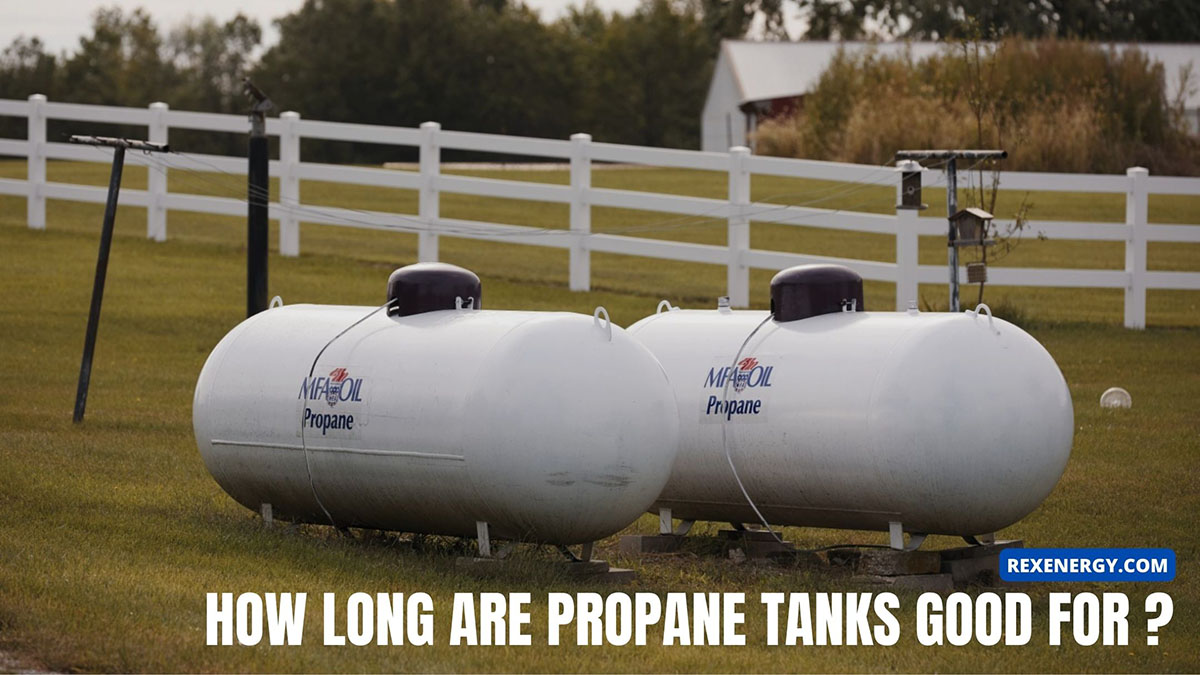
Ah, the unmistakable whiff of propane. It’s a scent that instantly triggers a tiny jolt of "uh oh" in even the most seasoned grill master or camping enthusiast.
You’ve done it. A little too much gas before the igniter clicked. Or maybe a loose connection on your portable stove.
Now, that distinctive, sulfuric odor hangs in the air. The question inevitably pops into your head: How long does it take propane to dissipate?
Must Read
My unofficial, highly scientific, and completely unverified answer? Forever. It takes forever. And then some.
The Great Propane Linger: A Humorous Hypothesis
Some people might tell you it dissipates quickly. They’ll talk about air currents. They’ll mention ventilation.
But those people, bless their optimistic hearts, have clearly never truly experienced the tenacious grip of a good propane cloud.
I propose an unpopular opinion: Propane, once released, decides it quite likes your presence. It wants to stay awhile.
It’s the houseguest that never truly leaves, only fades into the background, occasionally making its presence known.
The Grill Master's Lament
Picture this: You’re firing up the barbecue. You press the gas button, click, click, click. Nothing.
You hold it a little longer, just to be sure. Click, click. Still nothing.
Finally, poof! A beautiful flame. But now, that strong propane smell is everywhere.
You cook your burgers. They're delicious. You eat them. Still, a faint whisper of propane seems to dance on the breeze.
You put the grill away. Days later, you swear you can still catch a phantom whiff when you walk by the garage.

“The lingering scent of propane is less a dissipating gas and more an invisible, scent-based commemorative plaque.”
The Camping Stove Conundrum
Camping trips offer prime opportunities for the propane experience. Fumbling with a canister connection in the dim morning light?
A little hiss, a little smell. No big deal, right? You make your coffee. The sun rises.
But the smell… it lingers. It becomes part of the campsite's ambient aroma, alongside pine needles and campfire smoke.
You might even pack up your tent and drive home, only to detect that familiar scent clinging to your clothes.
It’s incredibly stealthy, isn't it?
Why Does It Seem to Linger So Long?
Okay, time for a smidgen of actual, very simplified science. Propane is heavier than air.
This is crucial. Unlike lighter-than-air gases that float up and away, propane likes to sink.
It settles into low spots. It pools. It snuggles down into crevices and corners.
Think of it like a very lazy, invisible blanket. It doesn’t just leap into the atmosphere.
Outdoors, a good breeze helps. But in still air, especially near the ground, it takes its sweet time.
Indoors? Forget about it. Unless you've opened every window and door, creating a hurricane, it will simply hang out.
The distinctive odor added to propane is called ethyl mercaptan. It's potent and designed to be easily detectable.
And boy, is it ever detectable. That's why even a tiny leak can fill a space with a rather alarming smell.
Your nose is working perfectly. It's the propane that's being wonderfully stubborn.
The Illusion of Fresh Air
You open the doors. You turn on a fan. You wave your arms around like a conductor in a particularly dramatic opera.
You sniff. "Okay, it's gone!" you declare triumphantly. You close everything up.
Five minutes later, walking back into the same space, there it is again. A faint, mischievous hint of propane.
It's like it hides behind the sofa, waiting for you to turn your back before peeking out again.
This is often the leftover gas that was quietly pooling in a low spot, now rising slightly with temperature changes.
“Propane doesn't dissipate; it merely takes a strategic, invisible coffee break before returning to its olfactory duties.”
Tips for "Expediting" the Propane Exodus (Good Luck!)
So, what can you do when your nose detects that tell-tale sign?
First, always ensure safety. If you suspect a significant leak, follow proper safety protocols and evacuate.
But for the small, accidental puffs? The "oops, I over-primed the grill" moments?
Ventilation is your best friend. Open windows wide. Open doors.
If possible, create a cross-breeze. Fans can help circulate the air, gently nudging the propane along.
Remember, it's heavier than air, so encouraging air movement downwards and outwards can be effective.
For outdoor spills, patience is key. The wind and natural air currents will eventually do their job.
Just don't stand there sniffing repeatedly, trying to pinpoint its exact departure time.
You’ll only end up with a temporarily desensitized nose and a headache.
Walk away for a bit. Come back. The difference will be more apparent than constant vigilance.
Embrace the Linger
Perhaps it's time we stopped fighting the inevitable. Maybe we should embrace the fact that propane likes to linger.
It’s a sign of a good time had, a burger grilled, an adventure undertaken.
That subtle scent is just a little souvenir, a fleeting memory of your culinary or camping exploits.
So, the next time you get a good whiff, don't just sigh. Give a knowing nod.
Acknowledge the tenacious spirit of propane. It takes its sweet time.
It’s not in a hurry, and neither should you be when waiting for it to finally wave goodbye.
Just remember to respect it, ventilate well, and perhaps keep a good air freshener handy for your human nose.
Because some smells just prefer to hang around, making their presence known long after the source has vanished.
And propane, my friends, is definitely one of those.